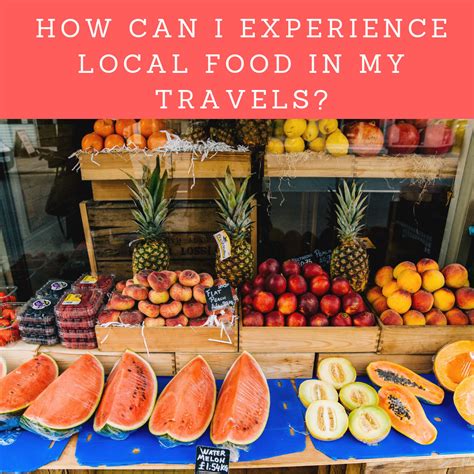
Travel foodie: Visual tips to find & photo authentic, non-touristy eats?
For many travelers, the true essence of a destination isn’t found in its famous landmarks, but in its flavors. Beyond the polished menus and multilingual signs of tourist traps lies a world of authentic, soulful eats waiting to be discovered. But how do you, as a discerning food adventurer, visually navigate a bustling foreign city to find these hidden culinary gems? And once found, how do you capture their magic through your lens without losing their genuine appeal? This guide offers visual cues and photography tips to elevate your travel foodie game.
The Visual Hunt: Spotting Authenticity
Forget the glossy brochures; your eyes are your most powerful tools. When seeking out genuine local eateries, train yourself to look beyond the obvious. Start by observing the clientele: Are locals, particularly multi-generational families or elderly residents, predominantly dining there? This is often the most reliable indicator of a restaurant serving traditional, well-loved dishes.
Next, pay attention to the exterior. Authentic spots often lack flashy signage or elaborate decor. Look for hand-written menus, simple storefronts, or even just a queue forming outside a humble stall. These unpretentious aesthetics often signal a focus on the food itself rather than an attempt to appeal to foreign tastes.
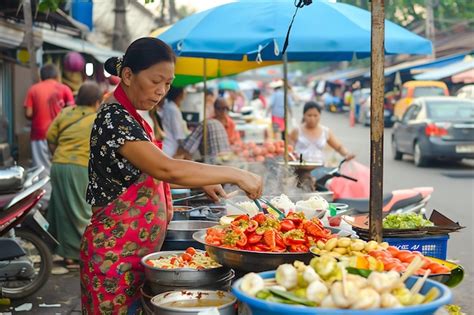
Inside, the clues continue. Does the kitchen look well-used, perhaps even a bit chaotic, but vibrant with activity? Are specific cooking methods or unique ingredients visible? An open kitchen or a visible preparation area can be a great sign of transparency and dedication to the craft. Also, observe the dishes being served – do they look rustic, hearty, and less ‘styled’ than what you might find in a high-end restaurant?
Mastering the Shot: Photography Tips for Foodies
Once you’ve found your treasure, it’s time to capture its essence. The goal isn’t just a pretty picture, but a story that evokes the taste, smell, and atmosphere of the moment. Natural light is your best friend. Position your dish near a window or in an outdoor setting if possible, avoiding harsh direct sunlight or the yellow glow of indoor artificial lights. This will highlight the food’s natural colors and textures.
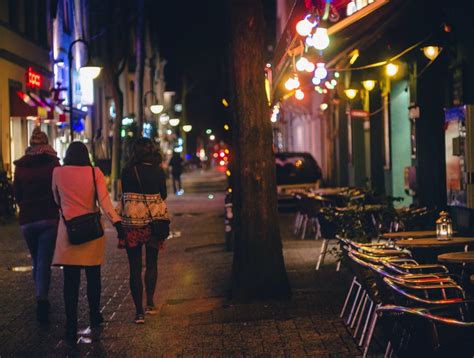
Composition is key. Don’t just take a top-down shot. Experiment with angles – a slightly elevated shot can show off layers, while a close-up can highlight textures and ingredients. Consider including elements of the environment, such as a local drink, traditional cutlery, or even the hands of the person enjoying the meal, to add context and a sense of place. Capture the “before” and “during” – the steam rising, the first bite, the vibrant ingredients.
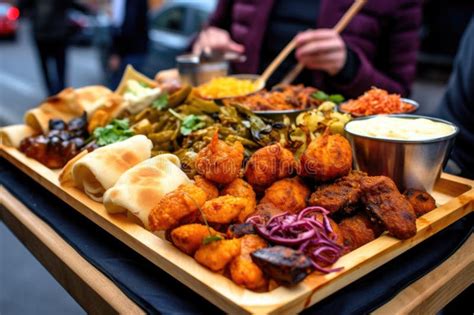
Most importantly, be respectful. Ask permission if you’re photographing people or an establishment. Be quick and discreet, especially in busy local spots. Remember that your primary experience is eating and enjoying; the photo is a secondary, beautiful souvenir. A little post-processing can enhance your images – adjust exposure, contrast, and white balance to make the colors pop, but resist over-editing. You want the food to look as authentic as it tasted.
Savor the Experience, Share the Story
Finding and photographing authentic, non-touristy eats is an art form that enriches your travels immensely. It’s about more than just a meal; it’s about cultural immersion, discovery, and creating lasting memories. By honing your visual instincts and mastering a few simple photography techniques, you’ll not only savor incredible flavors but also tell compelling stories that inspire others to venture off the beaten path.