Uncovering local food gems: What visual clues hint at authentic flavors?

Embarking on a culinary journey in a new place is one of life’s greatest pleasures, but how do you sift through tourist traps to find those elusive, truly authentic local food gems? While reviews and recommendations are helpful, savvy food explorers know that the keen eye can uncover a wealth of clues. Learning to read the visual language of a bustling street food stall or a humble local eatery can often lead you straight to the heart of a destination’s gastronomic soul.
The Buzz of Local Crowds
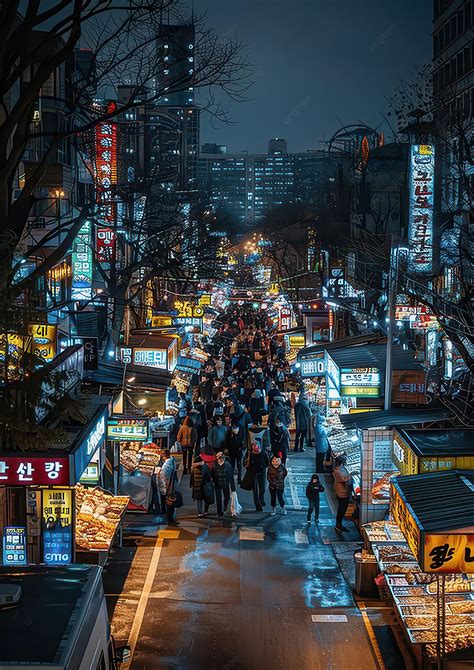
Perhaps the most reliable indicator of authentic flavors is the patronage of locals themselves. A restaurant or food stall teeming with residents, especially during off-peak tourist hours, is often a strong signal. Observe if families are dining together, if there are elderly folks enjoying a meal, or if workers on their lunch break are flocking to a particular spot. Locals know best where to find quality, value, and genuine taste. If a place is quiet while others nearby are bustling with locals, it might be a red flag.
Simplicity Speaks Volumes: Menu & Signage
Authentic local eateries often don’t need fancy marketing. Look for establishments with simple, perhaps hand-written menus, often with fewer options. A menu in the local language (even if translated poorly) can be a good sign, indicating they primarily cater to locals. Avoid places with overly glossy, multilingual menus featuring photos of every dish – these are often tailored for tourists and may lack the specific flair of genuine local cuisine. The focus should be on the food, not the presentation of the menu itself.
The Kitchen’s Open Secret: Appearance & Hygiene
While sparkling clean isn’t always the hallmark of authenticity in some street food cultures, a visible kitchen or food preparation area can be incredibly reassuring. You want to see organized chaos, not genuine messiness. Are the ingredients handled with care? Is the cooking equipment well-maintained, even if it’s old? Freshness is key, and seeing chefs actively cooking, stirring, or grilling indicates dishes are made to order. A visible kitchen allows you to gauge the level of care and passion that goes into the food preparation.
Ingredients First: Freshness and Local Sourcing
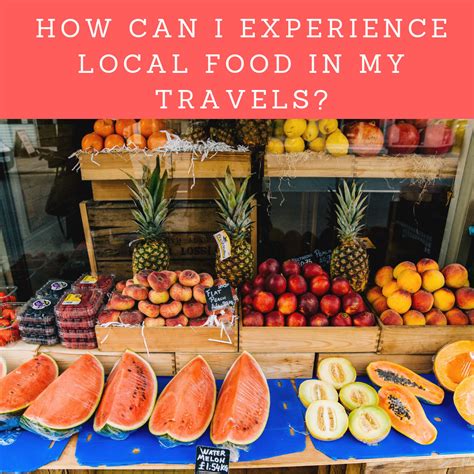
Pay close attention to the ingredients on display. Are vegetables vibrant and crisp? Is seafood glistening and fresh? Many authentic establishments pride themselves on using locally sourced, seasonal ingredients. You might see baskets of fresh produce, herbs, or spices near the cooking station. This commitment to fresh, regional components directly translates into the vibrant, authentic flavors that define local cuisine. If the ingredients look tired or pre-packaged, it’s likely the final dish will suffer too.
Dish Presentation & Portions: A Taste of Tradition
How the food is presented can also offer clues. Authentic dishes often prioritize substance over elaborate plating. You might find hearty, generous portions served in a traditional manner, perhaps on simple crockery or in specific local vessels. While tourist-oriented places might attempt to ‘gourmet-ify’ dishes, genuine local fare is typically served in a way that is familiar and comforting to the community. Look for dishes that reflect local culinary traditions, even if they appear unassuming.

The Unspoken Language of Atmosphere
Beyond the tangible, the overall atmosphere speaks volumes. Listen to the sounds – are there lively conversations in the local language, the clatter of woks, or the sizzle of grills? Smell the air – are there enticing aromas of spices, herbs, and cooking food? The general vibe of a place, the warmth of the staff (even if they speak limited English), and the energy of the space can tell you a lot about its authenticity. It’s about feeling the heart of the place.

Uncovering local food gems is an adventure, a delightful treasure hunt for the senses. By sharpening your observational skills and paying attention to these visual clues, you’ll move beyond the tourist traps and discover the true, authentic flavors that define a destination’s culinary landscape. Trust your gut, and more importantly, trust your eyes – they’re often the best guides to an unforgettable meal.