Visual Bites: What food styling and lighting best converts views to recipe clicks?

The Visual Appetizer: Why Stunning Food Photos Matter
In the bustling digital culinary landscape, a stunning visual is often the gateway to a coveted recipe click. With countless recipes vying for attention, mere instruction isn’t enough; potential cooks crave inspiration, a tantalizing preview that promises deliciousness and achievable results. The secret sauce? Masterful food styling and lighting. These aren’t just aesthetic choices; they are strategic tools designed to convert casual browsers into enthusiastic home chefs.
The Art of Food Styling: Making Food Irresistible
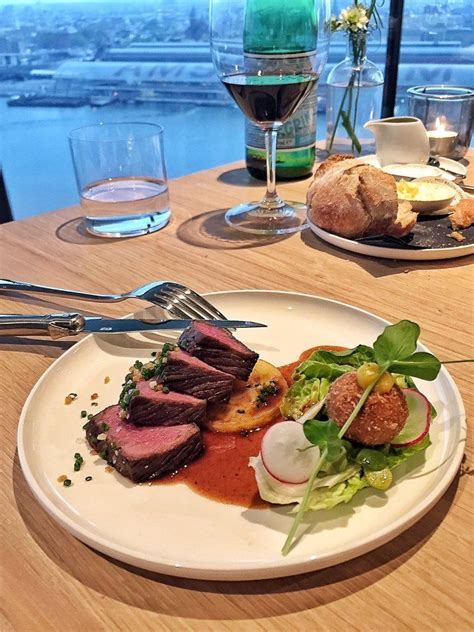
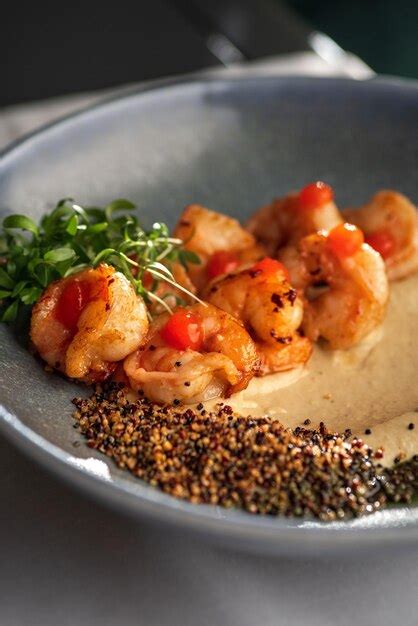
Food styling is about presenting dishes in their most appealing light, highlighting textures, colors, and freshness. Think about vibrant garnishes, perfectly cooked edges, and the strategic placement of ingredients. The goal is to make the food look approachable yet aspirational, as if it could leap off the screen and onto their plate.
Key styling elements include:
- Freshness: Always use the freshest ingredients possible. Wilted greens or dull colors are immediate turn-offs.
- Texture: Showcase different textures – a crispy crust, a creamy sauce, tender meat. These add depth and visual interest.
- Color Contrast: Utilize contrasting colors to make elements pop. A bright red tomato on a green basil leaf, for instance.
- Portion Control: Don’t overcrowd the plate. Less is often more, allowing the hero dish to shine.
- Garnishes: A sprinkle of herbs, a zest of citrus, or a drizzle of sauce can elevate a dish from good to gourmet.
- Storytelling: Sometimes, scattered crumbs or a half-eaten slice can evoke a sense of warmth and realism, hinting at the deliciousness just experienced or about to be.
Illumination Insights: Lighting for Maximum Impact
Lighting is arguably the single most crucial factor in food photography. It shapes mood, reveals texture, and defines the overall aesthetic. The wrong lighting can make even the most delicious dish look unappetizing.
To master lighting:
- Natural Light Reigns Supreme: Whenever possible, utilize soft, diffused natural light from a window. Avoid direct sunlight, which creates harsh shadows and blown-out highlights.
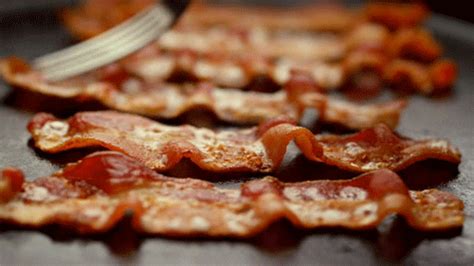
- Directional Lighting: Side lighting (from the side of the food) or backlighting (from behind the food) are excellent choices. Side lighting emphasizes texture and dimension, while backlighting creates a beautiful glow and highlights steam or translucency, making food look fresh and vibrant.
- Diffusers and Reflectors: A simple white bed sheet or parchment paper can diffuse harsh light, while a piece of white foam board can reflect light back onto shadowed areas, filling them in gently.
- Artificial Light: When natural light isn’t available or consistent, professional food photographers often turn to artificial continuous lights or strobes, paired with large softboxes, to mimic soft window light. Consistency is key for brand aesthetics.
Composition and Props: Setting the Scene
Beyond the food itself, the surrounding elements contribute significantly to the visual narrative. Composition involves arranging all elements within the frame in a harmonious and appealing way.
Consider these compositional techniques:
- Rule of Thirds: Position your main subject off-center, along the intersecting lines or points of a grid, for a more dynamic and engaging shot.
- Leading Lines: Use cutlery, a table runner, or even the edge of a plate to draw the viewer’s eye towards the hero dish.
- Negative Space: Don’t be afraid of empty areas around your food; they can help the main subject stand out and prevent the image from looking cluttered.
- Props with Purpose: Choose props – plates, bowls, cutlery, linens, small kitchen tools – that complement the food and the story you’re telling, without overshadowing the main subject. Muted, earthy tones often work best, allowing the food’s colors to pop.
- Shallow Depth of Field: Blurring the background (bokeh effect) keeps the focus sharply on the food, isolating it from distractions.
The Psychological Edge: Why Some Food Photos Convert
The most effective food photos don’t just show a dish; they evoke an emotion or desire. They tap into our innate cravings and memories.
Leverage the psychological impact:
- Sensory Appeal: Pictures that suggest warmth, crispness, creaminess, or juicy succulence are highly effective. Steam rising from a hot dish, condensation on a cold drink – these are powerful sensory cues.
- Relatability vs. Aspiration: Some photos work by making the dish look incredibly easy and delicious to recreate at home. Others inspire aspiration, showcasing gourmet meals that viewers dream of making. Understand your audience.
- Color Psychology: Warm colors (reds, oranges, yellows) are often associated with comfort and appetite stimulation. Fresh greens and vibrant purples suggest health and vitality.
- Human Element (Optional): A hand reaching for a slice, a bite taken – these can add a relatable, inviting touch, implying enjoyment.
Conclusion
Converting views into recipe clicks is a sophisticated dance between art and strategy. By mastering food styling, understanding the nuances of lighting, composing compelling scenes, and tapping into the psychological triggers of appetite, content creators can transform their visual content into powerful calls to action. Experiment, analyze what resonates with your audience, and continually refine your approach. The most mouth-watering visuals aren’t just pretty; they’re profitable.