Visual Bites: What specific food styling triggers immediate foodie recipe creation?

The Irresistible Power of Visual Cues in Food
In the age of social media and culinary exploration, it’s undeniable that we eat with our eyes first. For foodies, a captivating image of a dish doesn’t just whet the appetite; it can be the immediate catalyst for a full-blown recipe creation spree. But what exactly are the specific elements of food styling that transition a passive admirer into an active culinary creator? It’s more than just a pretty picture; it’s a carefully orchestrated visual narrative that speaks directly to our senses and inspires us to don an apron.
The Allure of Vibrant Color Palettes
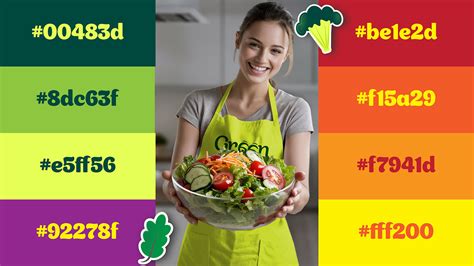
One of the most potent triggers is a vibrant, natural color palette. Dishes bursting with contrasting yet harmonious hues – the deep red of ripe tomatoes, the verdant green of fresh herbs, the sunny yellow of a lemon curd – instantly communicate freshness, flavor, and vitality. These colors don’t just look appealing; they suggest a spectrum of tastes and nutritional benefits, prompting foodies to think about ingredient combinations and how to recreate that same visual vibrancy in their own kitchens.

Textural Temptation: Crunchy, Creamy, and Crispy
Beyond color, texture plays a crucial role. A food stylist expertly highlights various textures, creating a multi-sensory promise. A visible crisp on a piece of fried chicken, the luscious swirl of a creamy sauce, the flaky layers of a pastry, or the delicate crumble of a topping – these textural cues are incredibly stimulating. They make us imagine the satisfying crunch, the smooth mouthfeel, or the delightful chew. This visual information translates directly into a desire to experiment with cooking methods that achieve similar textural perfection, from perfecting a sourdough crust to achieving a silky-smooth ganache.
The Art of Garnishing and Plating Precision
Precision in plating and the thoughtful application of garnishes are often the tipping point for recipe inspiration. A sprig of fresh dill, a scattering of toasted sesame seeds, a delicate drizzle of balsamic glaze, or a carefully placed edible flower transforms a simple dish into a work of art. These small details show care and attention, elevating the perception of the food. For foodies, these elements aren’t just decorative; they are hints at flavor profiles and techniques. They inspire experimentation with different herbs, spices, and plating arrangements to enhance both taste and visual appeal.
Composition and Storytelling: A Feast for the Eyes
The overall composition of a food photograph, including props and background, tells a story that can profoundly influence a foodie’s creative process. A rustic wooden board, a vintage linen napkin, or a strategically placed cookbook in the background can evoke a specific mood or culinary tradition. When a dish is presented as part of a larger narrative – be it a cozy breakfast scene or an elaborate dinner spread – it inspires the creation of not just a single dish, but an entire meal concept or dining experience. The arrangement speaks to balance, harmony, and thoughtful design, encouraging similar considerations in one’s own cooking.

The Undeniable Impact of Lighting
While often subtle, the quality of light is paramount. Natural, soft lighting can make food appear more inviting and authentic, highlighting its true colors and textures without harsh shadows or glares. A beautifully lit dish looks more palatable and real, making the imagined taste experience more vivid. This subtle yet powerful element contributes to the overall appeal, making the food feel attainable and inspiring confidence that a similar culinary creation is within reach.
Conclusion: From Visual Delight to Culinary Creation
Ultimately, the specific food styling elements that trigger immediate recipe creation are those that engage multiple senses through visual means. It’s the vibrant colors promising flavor, the textural cues hinting at mouthfeel, the artful garnishes suggesting sophistication, and the thoughtful composition telling a delicious story. When these elements align, they don’t just make us hungry; they ignite a spark of culinary curiosity and creativity, propelling foodies from passive observation to active recipe development, turning a visual bite into a delicious reality.