Visual Bites: What specific visual elements guarantee foodie recipe click-throughs?

The Irresistible Allure of Food Photography
In the crowded digital culinary landscape, a recipe’s success often hinges not just on its taste, but on its visual appeal. Foodie recipe click-throughs aren’t merely driven by enticing titles or ingredient lists; they are powerfully influenced by the captivating images that accompany them. Understanding which specific visual elements resonate most with audiences is crucial for standing out and converting glances into clicks.
At the heart of any stunning food photo is exceptional lighting. Natural, bright, and indirect light is often the gold standard, illuminating textures and colors without harsh shadows or reflections. Think about positioning your dish near a window, allowing soft, diffused light to gently caress your culinary creation. This technique makes food look fresh, inviting, and utterly delicious.
Mastering Composition and Food Styling
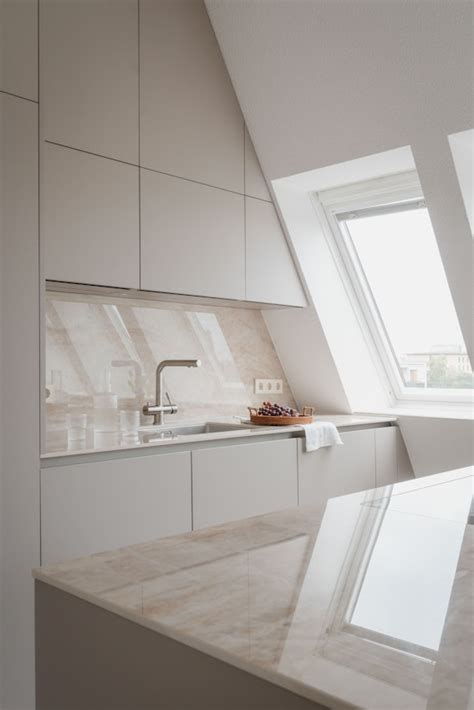
Beyond good lighting, the way a dish is composed and styled plays a pivotal role. Adhering to principles like the rule of thirds can create visual balance and interest. Consider using negative space to draw attention to your main subject, preventing the image from feeling cluttered. The angle of the shot also matters immensely – an overhead “flat lay” might be perfect for a vibrant salad, while a ¾ angle best showcases the layers of a towering cake.
Props are your silent storytellers. Thoughtfully chosen backdrops, plates, cutlery, and garnishes can elevate a simple dish into a work of art. However, remember that props should complement, not compete with, the food. A rustic wooden board for a homemade bread, or a delicate linen napkin for a refined dessert, can significantly enhance the perceived quality and mood of the recipe.
Highlighting Vibrant Colors and Appealing Textures
Food is inherently sensory, and visuals must translate that. Emphasize vibrant colors through fresh ingredients and careful editing that avoids over-saturation. Showcase appealing textures – the crispy crust of bread, the glistening sauce on pasta, the fluffy peak of meringue. These tactile cues tell a story of taste and satisfaction before a single word is read.
Sharp focus on the hero of the dish, coupled with a shallow depth of field (bokeh effect), is a powerful technique. This ensures the viewer’s eye is immediately drawn to the most delicious part of the food, blurring out distracting backgrounds and creating a professional, mouth-watering effect that often leads to higher engagement.
![The Very Best Of Macro Photography Pt.2 [20 Pics] | I Like To Waste My Time](/images/aHR0cHM6Ly90czQubW0uYmluZy5uZXQvdGg/aWQ9T0lQLlp3LWYwNXcxbHRnWHVCNEhGTVpEVEFIYUZPJnBpZD0xNS4x.webp)
Capturing Implied Motion and Culinary Storytelling
Even in still photography, implying motion can add a dynamic element. A sprinkle of herbs falling, a drizzle of sauce, or hands reaching for a freshly baked good can inject life and narrative into your images. These “action shots” make the food feel more accessible and real, inviting the viewer to imagine themselves in the cooking or eating process.
Ultimately, a successful foodie recipe image tells a story. It communicates freshness, ease, indulgence, or comfort. From the initial ingredients to the beautifully plated final dish, each visual should build anticipation and desire. Consider capturing the ‘before’ and ‘after’ or showcasing the recipe in a real-world serving context to make it relatable.

The Recipe for Visual Success
To guarantee foodie recipe click-throughs, prioritize visuals that are not only beautiful but also strategically crafted. Focus on natural lighting, thoughtful composition, vibrant colors, appealing textures, and a clear focal point. By mastering these specific visual elements, food creators can transform passive scrolling into active engagement, turning hungry eyes into eager clickers ready to try their next culinary adventure.