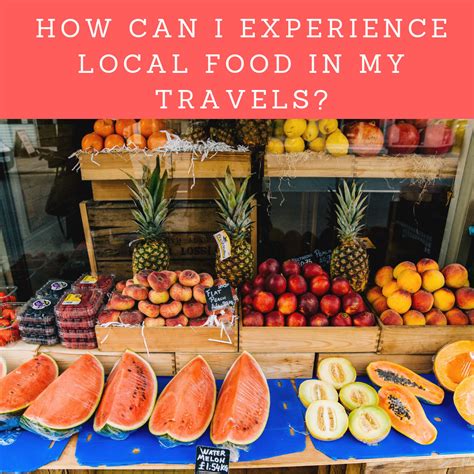
Visual clues: How do real foodies find authentic local eats, ditching tourist traps?

The Hunt for Authenticity: Beyond the Brochure
For the true gastronome, travel isn’t just about sightseeing; it’s a sensory journey, especially through a region’s culinary landscape. Yet, finding genuinely authentic local food can be a daunting task, often obscured by brightly lit, English-menu-wielding tourist traps. How do seasoned foodies consistently navigate this minefield to unearth the hidden gems and taste the true soul of a place? The secret lies in keen observation – picking up on visual clues that speak volumes before a single dish is ordered.
Clue #1: The Local Crowd Test
This is arguably the most crucial indicator. Look for establishments teeming with local residents. Are families sharing meals? Are business people having lunch? Is there a queue where everyone is speaking the local language? A restaurant packed with locals is a strong signal that the food is not only authentic but also delicious and reasonably priced. Tourists follow guidebooks; locals follow their taste buds.

Clue #2: Menu Language and Presentation
Tourist traps often feature multi-language menus with glossy photos of every dish. While convenient, this is rarely a sign of authenticity. Look for menus primarily in the local language, perhaps with minimal or no English translations. Hand-written daily specials, chalkboards, or a concise, focused menu often suggest a place proud of its core offerings and confident in its local appeal. If they only have three items but they’re all amazing, you’ve hit the jackpot.
Clue #3: Kitchen Transparency and Aroma
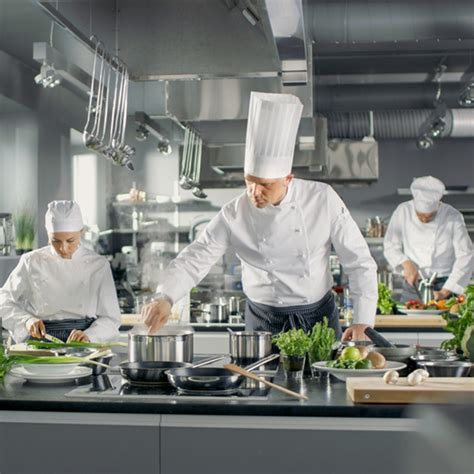
An open kitchen or a visible cooking area can be a great sign. Watching chefs at work, seeing fresh ingredients being handled, or even just observing the efficiency of the staff can build confidence. Beyond sight, trust your nose. Does the place smell of delicious, freshly prepared food, or is it merely the generic scent of deep-fried oil? The right aromas hint at genuine culinary endeavors.
Clue #4: Simplicity in Decor, Richness in Food
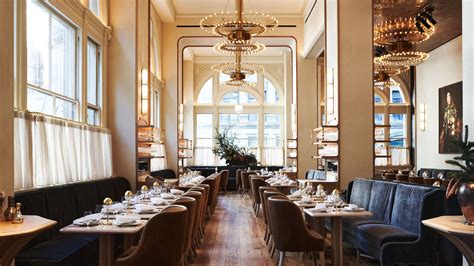
Often, the most authentic eateries prioritize substance over style. Don’t be swayed by opulent decor or flashy signage. Many of the best local spots are humble, with simple tables, chairs, and minimal decoration. The focus is squarely on the food itself, reflecting a confidence that their cuisine alone is enough to draw a crowd. Worn-in establishments often carry a legacy of good food.
Clue #5: Proximity to Markets or Local Hubs
Restaurants situated near local markets or bustling non-touristy commercial areas often have access to the freshest ingredients and cater to the daily needs of the local populace. They are an integral part of the community’s rhythm, not just a standalone attraction. Places tucked away in side streets or less-trafficked alleys also frequently reward the adventurous explorer.
Clue #6: The Unadvertised Gem – Ask a Local
Sometimes, the best visual clue isn’t at the restaurant itself but comes from a trusted local. Engage with hotel staff, shopkeepers, or even street vendors and ask them where *they* eat. Pay attention to the places they point to, especially if they are not the typical, heavily advertised spots. These word-of-mouth recommendations, though not visual in themselves, lead you to places that visually scream authenticity once you arrive.
Mastering the Art of Culinary Exploration
Ditching the tourist traps and finding authentic local eats is an art form rooted in observation, courage, and an open mind. By tuning into these visual and sensory clues – the crowd, the menu, the aromas, the decor, and the location – you empower yourself to bypass the generic and dive deep into the true culinary heart of any destination. So next time you’re exploring a new city, put on your foodie detective hat and let your senses guide you to an unforgettable gastronomic adventure.