Visual clues: How do real foodies identify truly authentic local eateries for food adventures?
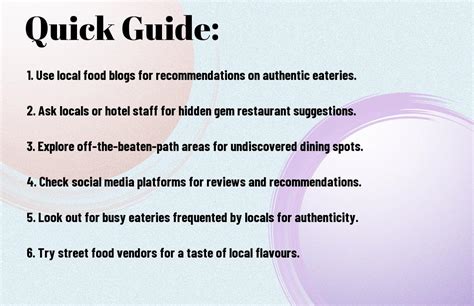
For the intrepid food adventurer, discovering truly authentic local eateries is the ultimate quest. It’s not about Michelin stars or trendy Instagram spots; it’s about diving deep into a culture’s culinary heart. But how do you separate the genuine from the tourist trap? Real foodies have developed a keen eye for visual clues, almost a sixth sense, that guides them to those hidden gems offering an unadulterated taste of local life.
The Unpretentious Exterior & Interior Aesthetic
The first set of clues often comes before you even step inside. Authentic local spots rarely boast flashy, modern facades designed to lure tourists. Instead, look for understated storefronts, perhaps a little worn around the edges, suggesting years of dedicated service rather than a quick cash grab. Hand-painted signs, local language prominent, and a general lack of ostentatious advertising are good indicators.
Once inside, the decor often tells a story. Is it overly themed or sterile? Or does it exude a lived-in warmth, filled with practical furnishings, perhaps a smattering of local art, or even photos of regular customers and family? Tables might be simple, chairs well-used, and the overall ambiance comfortable and unpretentious. Cleanliness is key, of course, but don’t confuse sterile newness with authenticity.

The Menu’s Silent Promises
A glance at the menu can reveal a lot. A sprawling, multi-page menu offering every type of international cuisine is usually a red flag. Authentic eateries typically specialize, focusing on a manageable selection of dishes that they excel at. Look for:
- Limited Choices: A shorter menu often indicates freshness and specialization.
- Local Language Prominence: While English translations might be available, the local language should clearly dominate. Mismatched or handwritten specials are a bonus.
- Descriptive Dishes: Menus that lovingly describe ingredients or traditional cooking methods suggest pride in their craft.
- Fair Pricing: Prices that seem reasonable for the local economy, not inflated for foreign visitors.
If the menu reads like a guide to regional specialties rather than global hits, you’re likely on the right track.
The Local Crowd and Staff Dynamics
Perhaps the most telling visual clue is the clientele. Is the place packed with locals, perhaps during non-peak tourist hours? Are families, older generations, and blue-collar workers comfortably enjoying their meals? A restaurant full of locals is a strong endorsement of its authenticity and quality.
Observe the staff as well. Is there a familial atmosphere? Do the owners or long-term staff interact warmly with regulars? Are they patient and helpful, even if there’s a language barrier, rather than dismissive? A genuine local spot often thrives on community and personal connection.
The Sights and Sounds of the Kitchen (If Visible)
If there’s an open kitchen or a view into the cooking area, pay close attention. Are ingredients fresh and vibrant? Is the preparation meticulous yet efficient? The sizzling sounds, the aroma of spices, and the rhythmic chopping can all contribute to the authenticity score. Even if the kitchen isn’t visible, the lingering scent of delicious, unfamiliar spices wafting through the dining area can be a powerful draw.

The use of traditional cooking equipment, even if just in the background, also suggests a commitment to authentic methods. Think charcoal grills, tandoor ovens, or specialized woks.
Beyond the Plate: Subtle Clues and Absence of Tourist Traps
Finally, look for subtle cues that speak to a deeper connection with the local food system. Are there fresh, seasonal ingredients displayed? Does the establishment source from local farmers or markets? Sometimes, the absence of certain things is as telling as their presence. The lack of glossy photos of every dish, the absence of aggressive touts outside, and a genuine focus on food quality over flashy presentation are all positive signs.
Ultimately, identifying truly authentic local eateries is an art honed through experience and observation. By paying attention to these visual clues – from the humble exterior to the local faces and the honest menu – real foodies can embark on unforgettable culinary adventures, savoring the true flavors of a destination, one authentic bite at a time.