Visual clues: How real foodies find authentic local eats, not tourist traps?

For the true foodie, travel isn’t just about sightseeing; it’s a deep dive into the local culture through its flavors. But in a world brimming with Instagrammable façades and multi-lingual menus designed for passing crowds, how do you sniff out the genuinely authentic local eats from the cleverly disguised tourist traps? The secret lies in becoming a visual detective, tuning into subtle clues that speak volumes about a place’s culinary soul.
The Art of Observation: Beyond the Guidebook
Forget the glossy brochures and online reviews for a moment. Real food adventurers develop an instinct, a finely tuned ability to read the unspoken language of a street, a restaurant façade, or even the plates on a table. It’s about looking beyond the obvious and seeking out the subtle indicators of authenticity that most tourists overlook.
Clue #1: The Customer Demographic
This is arguably the most telling sign. Walk past any eatery, and take a moment to observe its patrons. Are they predominantly locals, engaged in animated conversations in the native tongue, or are they a mix of international tourists clutching maps and speaking various foreign languages? A restaurant bustling with local families, business people on lunch breaks, or groups of friends suggests it’s a trusted spot cherished by the community. They wouldn’t keep coming back if it wasn’t good and fairly priced.
Clue #2: The Menu’s Language and Length
Tourist traps often boast extensive menus translated into multiple languages, complete with glossy, often unappetizing, photos of every dish. An authentic local spot, conversely, will typically feature a shorter, more focused menu, often handwritten or simply printed, primarily in the local language with perhaps a simple English translation. This usually indicates specialization and pride in a few well-executed dishes rather than a broad, generic offering.
Clue #3: Aesthetics and Ambiance
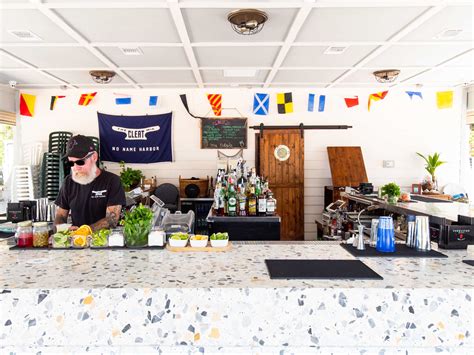
While some authentic places can be beautifully decorated, many truly local gems are unpretentious, focused more on the quality of food than on dazzling decor. Look for signs of genuine wear, a lived-in feel, simple furnishings, and perhaps even a bit of chaos. The air might carry the rich aroma of cooking rather than artificial air fresheners. Be wary of overly polished, sterile environments that feel generic or overly themed – these are often designed to appeal to a broad, international clientele.
Clue #4: Location, Location, Location (and Price)
Tourist traps often cluster around major landmarks, central squares, or popular promenades where foot traffic is guaranteed. Real foodies learn to venture a few blocks off the main drag, down a charming side street, or into a less-trafficked neighborhood. These hidden spots usually offer prices that reflect the local economy rather than inflated tourist rates. If the prices seem too high for the region, it’s a red flag.
Clue #5: Specialization and Signature Dishes
True culinary masters often specialize. An authentic eatery might be renowned for its incredible pasta, its perfectly grilled seafood, or a specific regional stew. They don’t try to offer everything under the sun. Observe if there’s a particular dish that seems to be on every table, or if the restaurant’s name hints at a specialty. This focus often translates to a higher quality product born of tradition and expertise.

Putting Your Detective Hat On: Practical Tips
To hone your visual detection skills, walk slowly and observe. Don’t be afraid to peek inside, listen to the ambient sounds, and even check the bins outside for evidence of fresh produce deliveries. Engage with locals if you can – a quick question about their favorite spots can yield invaluable insights.
Ultimately, finding authentic local eats is a rewarding treasure hunt. It requires patience, an adventurous spirit, and a keen eye for detail. By understanding these visual clues, you’ll not only avoid disappointing tourist traps but also unlock genuine culinary experiences that will enrich your travels and tantalize your taste buds.