Visual cues for perfect ‘crispy’ or ‘creamy’ recipe textures?
In the culinary world, texture is just as crucial as flavor. Whether you’re aiming for the satisfying crunch of a perfectly fried chicken or the luxurious silkiness of a rich béchamel, visual cues are your most reliable guide. Learning to ‘read’ your food as it cooks transforms you from a recipe follower to a true chef, allowing you to adapt and achieve optimal results every time.
The Allure of Crispy: What to Look For
Crispiness is typically the result of dehydration and the Maillard reaction, a chemical process that browns food and develops complex flavors. It’s about removing moisture from the surface while creating a delicate, brittle structure. Achieving this balance requires careful observation.
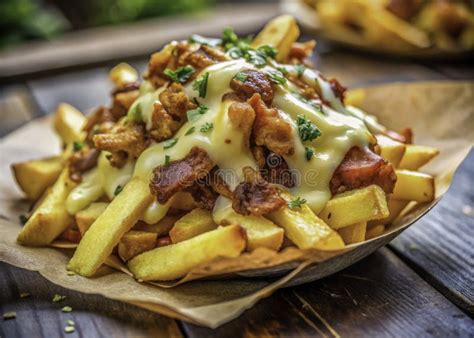
Visual Cues for Crispy Perfection:
- Deep Golden Brown Color: This is the hallmark. Think of the crust on roasted potatoes, the skin on fried chicken, or the edges of a perfectly baked cookie. It indicates the Maillard reaction is complete and moisture has evaporated.
- Surface Bubbles & Pores: For battered or fried items, a robust bubbling action followed by the formation of small, irregular pores on the surface signifies the release of steam and the creation of a fragile, airy structure.
- Dry Appearance: Crispy food will look dry, not oily or wet. There should be no visible sheen of excess moisture, only the slight gloss of caramelized sugars or rendered fats.
- Slight Shrinkage & Tightening: As moisture leaves, food can slightly contract. For vegetables, the edges might curl, and for pastries, the crust will firm up and hold its shape.
When you see these signs, it’s often time to remove the food from the heat, allowing residual heat to complete the process without overcooking or burning.
Embracing Creaminess: A Visual Guide
Creaminess, in contrast, is about smooth, luxurious mouthfeel, often achieved through emulsification, thickening agents, or the breaking down of starches. It’s a balance of fat, liquid, and solids that creates a velvety texture.
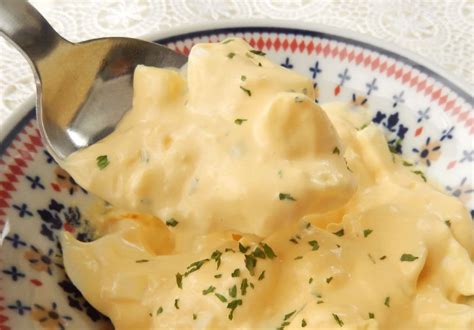
Visual Indicators of Creamy Richness:
- Smooth, Even Surface: A perfectly creamy sauce or soup will have a uniform, lump-free appearance. There should be no separation of liquids and solids.
- Gentle, Slow Bubbling: When simmering creamy dishes (like custards or risottos), the bubbles should be few, large, and break slowly, indicating a thick, viscous liquid rather than a thin, watery one. Vigorous boiling can curdle or break emulsions.
- Sheen or Gloss: This is particularly evident in sauces and custards where fats are well-emulsified. A slight reflective quality suggests a rich, smooth consistency.
- Coating the Spoon (Nappe): Dip a spoon into a creamy sauce; if it coats the back of the spoon evenly without running off quickly, you’ve likely achieved the ‘nappe’ consistency—thick enough to cling, yet still pourable.
- Subtle Steam & Movement: Rather than boiling aggressively, creamy dishes should show gentle movement and emit a steady, not violent, stream of steam.
For creamy textures, consistency is key. Continuously stir and watch for these visual cues, adjusting heat as needed to prevent scorching or breaking the emulsion.
Beyond the Visual: A Sensory Ensemble
While visual cues are paramount, remember that cooking is a multi-sensory experience. The sound of sizzling oil quieting down can signal crispiness; the aroma of toasted nuts hints at dehydration; and the resistance when stirring can confirm creaminess. Combining these senses with your sight will further refine your intuition in the kitchen.

Practice Makes Perfect
The best way to develop your eye for these textures is to cook often and pay close attention. Don’t be afraid to experiment, and observe what happens when you adjust cooking times or temperatures. Soon, you’ll be able to tell at a glance if your dish is headed for crispy perfection or creamy delight, making your recipes consistently successful.
By understanding and reacting to these visual signals, you elevate your cooking from merely following instructions to truly understanding the transformative power of heat and ingredients. So next time you’re in the kitchen, trust your eyes—they’re often the best judges of a perfectly textured meal.