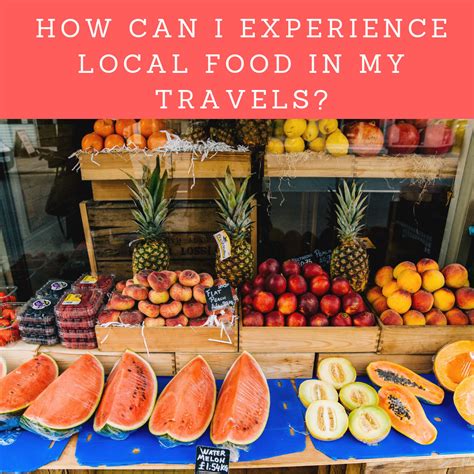
Visual cues: How do real foodies find authentic local eats while traveling?

Beyond the Tourist Traps: The Art of Local Discovery
For the avid traveler with a palate for authenticity, stumbling upon a truly local culinary gem is often the highlight of any trip. But how do you sift through the tourist traps and generic eateries to find those hidden spots where the real magic happens? It’s not just about online reviews or guidebooks; it’s about honing your senses and understanding the silent language of a vibrant local food scene. Real foodies rely heavily on visual cues, observing their surroundings with a discerning eye.
The Street-Level Scan: What Locals See
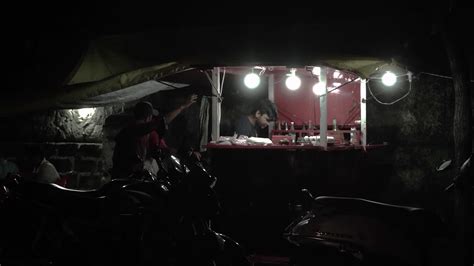
The first step in uncovering authentic eats begins with a careful observation of the street. Look for places bustling with local patrons, especially during off-peak hours for tourists, like a weekday lunch. A long queue of locals, despite the humble appearance of a stall or restaurant, is a golden indicator of quality and authenticity. Are families eating there? Are construction workers, office staff, or elderly locals frequenting the spot? These are strong signs that the food is not only good but also genuinely part of the community’s daily life.
Menu and Environment Clues: Reading Between the Lines
Once you’ve identified a potential spot, a quick glance at the menu and interior can provide further insights. An overly extensive, laminated menu with pictures of every dish (especially if translated into multiple languages poorly) can be a red flag. Authentic local eateries often have shorter, focused menus, sometimes handwritten or even just displayed on a whiteboard, indicating fresh, seasonal ingredients and mastery of a few key dishes. The decor itself can speak volumes – a well-worn, unpretentious interior often suggests a long-standing establishment valued more for its food than its aesthetics. Look for signs written only in the local language, or staff who speak minimal English; this can be a strong indicator that they cater primarily to locals.

The Scent and Sound Test: Engaging All Senses
Don’t underestimate the power of your nose and ears. Walk by an establishment and take a deep breath. Are the aromas enticing and unique, suggestive of fresh ingredients being cooked? Can you hear the lively chatter of locals, the clanging of woks, or the rhythmic chopping from an open kitchen? These sensory inputs create an immersive experience that often precedes a truly memorable meal. A dull, quiet, or odorless environment in a supposed eatery might signal a lack of fresh preparation or an absence of genuine culinary activity.
The Plate Speaks Volumes: Presentation and Portions
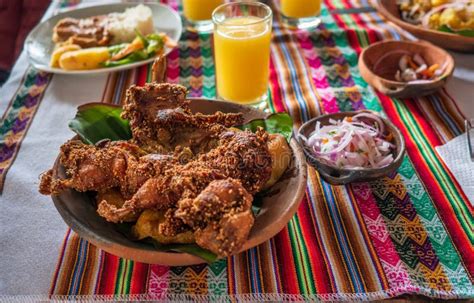
Even before ordering, a peek at what others are eating can be incredibly informative. Do the dishes look vibrant and fresh? Are portions generous, typical of local dining? Look for simple, unpretentious presentation that highlights the ingredients themselves, rather than overly elaborate garnishes designed to impress tourists. If you see plates piled high with ingredients that look truly regional and delicious, you’re likely on the right track. Locals generally value substance and taste over superficial adornment.
Beyond the Obvious: Digging Deeper
Sometimes, the best food isn’t in a storefront at all. Explore local markets, food stalls in quieter neighborhoods, or ask shopkeepers for recommendations – not hotel concierges, but people who live and work in the area. Pay attention to food trucks or carts that attract a consistent crowd. These often serve incredibly fresh, affordable, and authentic dishes that might not appear in any online guide. The visual cues in these settings are even more crucial: cleanliness, fresh produce, and rapid turnover of food are key indicators of quality.

Trusting Your Gut (and Your Eyes)
Ultimately, finding authentic local eats is a delightful blend of research, intuition, and observation. By paying attention to who is eating, what the place looks like, how it smells, and what the food on other tables reveals, you arm yourself with the visual intelligence to navigate any culinary landscape. So next time you travel, put down the phone for a moment, look around, and let the subtle visual cues guide you to your next unforgettable authentic meal.