
Visual cues: How do real foodies spot authentic hidden gem eateries globally?

The Unwritten Language of Authentic Eateries
For the true gastronome, the hunt for an authentic culinary experience is as thrilling as the meal itself. Away from the glare of tourist traps and five-star establishments, lies a world of hidden gems – humble eateries that serve up soul-satisfying dishes, steeped in local tradition and flavor. But how do experienced foodies, those with a discerning eye and an adventurous palate, consistently pinpoint these often-unassuming spots in foreign lands or bustling cities?
It’s all about visual cues. Like detectives sifting through clues, real food lovers have developed an uncanny ability to read the unwritten language of a restaurant’s exterior, interior, clientele, and even its menu. These subtle signals, often overlooked by the casual diner, are the breadcrumbs leading to truly memorable culinary discoveries.

Exterior Clues: Beyond the Facade
The first impression often comes from the street. An authentic hidden gem rarely boasts a flashy sign or a polished, modern facade. Instead, look for a humble, perhaps slightly worn, exterior that blends seamlessly into the local streetscape. Hand-written signs, often in the local language, are a strong indicator that the establishment caters primarily to locals. There’s an absence of aggressive marketing or multilingual menus prominently displayed to entice tourists.
Observe the immediate surroundings. Is the entrance discreet? Is there a subtle hum of activity, perhaps a small queue of locals forming? These are signs of a place known by word-of-mouth, a testament to its consistent quality rather than its marketing budget.
Inside Scoop: Decoding the Interior
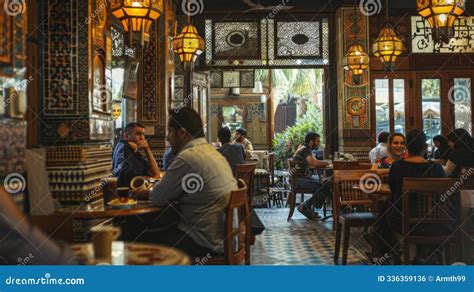
Step inside, and the visual cues continue. Authentic eateries often prioritize functionality and comfort over elaborate decor. Expect simple, sturdy furniture – perhaps a mix of tables and chairs that have seen years of loyal patronage. The decor might be minimal, perhaps displaying local art, family photos, or utilitarian items that reflect the establishment’s history and purpose.
Look for an open kitchen or a visible cooking area. This transparency is a hallmark of confidence in their craft and ingredients. While not always present, it often signals a genuine focus on the food itself, rather than creating an artificial ‘ambience’ for outsiders.
The Ultimate Indicator: The Crowd
Perhaps the most telling visual cue is the clientele. Scan the room: are the diners primarily locals? Are there families, groups of friends, and solo diners who look like regulars? A bustling atmosphere filled with lively chatter in the local tongue is an undeniable green light. A good sign is when you’re the only tourist, or one of very few. This indicates the food is prepared for and beloved by the community it serves, guaranteeing authenticity.
Observe the staff interactions with the patrons. Familiarity and warmth suggest a strong local following, where the restaurant is a beloved fixture in the neighborhood’s daily life.
Menu Magic: Simplicity and Specificity
The menu itself offers a wealth of information. Authentic hidden gems typically feature smaller, more focused menus. They specialize in a few dishes, executing them to perfection, rather than attempting to offer everything under the sun. Often, the menu will be predominantly in the local language, perhaps with minimal or no English translations, reinforcing its local appeal.
Look for seasonal ingredients mentioned or daily specials that reflect what’s fresh and available. This suggests a commitment to quality and a connection to local producers, rather than relying on mass-produced or frozen goods.
The Sensory Experience: Food and Flow
When the food arrives, the visual presentation is often straightforward and unpretentious. The emphasis is on the ingredients and the dish itself, rather than elaborate garnishes designed for Instagram. The colors will be vibrant, the textures inviting, and the portions often generous, reflecting a philosophy of hearty, satisfying sustenance.
Beyond the food, absorb the overall flow. Is there a natural rhythm to the service? Is the kitchen a well-oiled machine? The authentic experience is often about the cumulative sensory input – the aroma, the sounds, the sights of people enjoying good food together.
![authentic - Stock Illustration [55210031] - PIXTA](/images/aHR0cHM6Ly90czEubW0uYmluZy5uZXQvdGg/aWQ9T0lQLkNTbjhGYkVOQ3JldDktdW5RbDhuSndBQUFBJnBpZD0xNS4x.webp)
Trusting Your Gut (and Your Eyes)
Spotting authentic hidden gem eateries is a skill honed through observation and experience. It’s about looking beyond the superficial and learning to interpret the subtle visual language that speaks volumes about a place’s true character. From the unassuming facade to the joyous chatter of local diners, every visual cue contributes to painting a picture of genuine culinary excellence.
So, next time you’re on the hunt for a truly authentic meal, silence the noise of tourist recommendations and train your eyes. Trust your instincts, embrace the unfamiliar, and let the visual cues guide you to your next unforgettable food adventure.