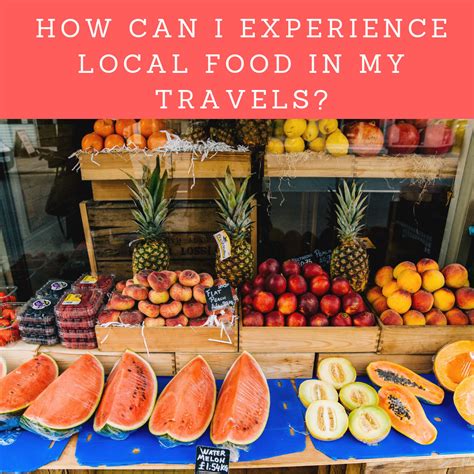
Visual cues: How do real foodies spot truly authentic street food or local finds?

The Unspoken Language of Authentic Eats
For the true culinary explorer, the quest for authentic street food and hidden local gems is less about five-star ratings and more about an instinctual hunt. While online reviews and guidebooks offer a starting point, real foodies develop an almost sixth sense for spotting genuine deliciousness. This “sixth sense” is largely built upon keen observation – recognizing visual cues that speak volumes about a stall’s integrity, the freshness of its ingredients, and the passion behind its cooking.
Where the Locals Gather: The Crowd as a Compass
The most immediate and powerful visual cue is the crowd. A long queue, especially one composed predominantly of locals rather than fellow tourists, is a golden signal. Locals know best; they return repeatedly to places that consistently deliver quality and authentic flavors. Pay attention to the demographics – are they families, office workers on lunch break, or elderly regulars? This diversity often indicates a broad appeal rooted in genuine taste.
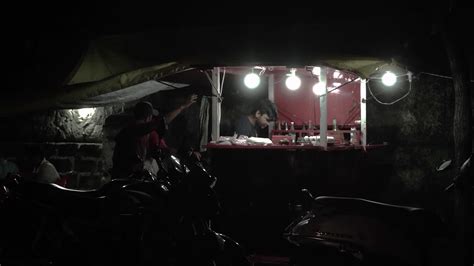
The Vendor and Their Domain: Signs of Dedication
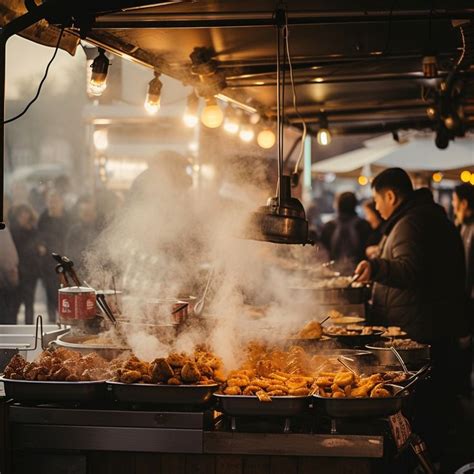
Observe the vendor. Authentic establishments often specialize in a handful of dishes, perfecting them over years, sometimes generations. A menu that’s too extensive can be a red flag. Look for a vendor who is focused, confident, and clearly passionate about their craft, perhaps even engaged in a rhythmic dance of chopping, stirring, or grilling. Their setup, while not necessarily pristine, should be organized and show signs of consistent use rather than neglect.
A well-worn wok or a seasoned griddle tells a story of countless meals lovingly prepared. Paradoxically, sometimes a little grime, indicating age and heavy use, can be more reassuring than a sterile, brand-new appearance, as long as basic hygiene (clean hands, fresh ingredients) is maintained. The tools of the trade often reflect the soul of the cooking.
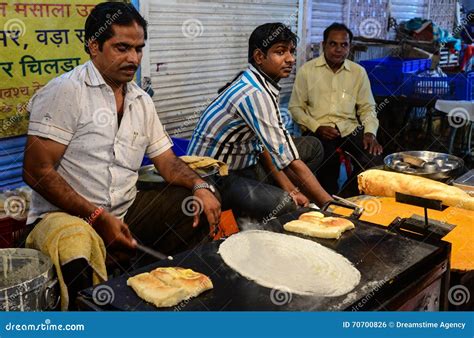
Ingredients Up Close: Freshness and Transparency
What you see is often what you get. Truly authentic street food vendors usually display their ingredients prominently. Look for vibrant, fresh produce, gleaming meats, and aromatic spices. Transparency in preparation is key – you should be able to see the cooking process unfold, from the chopping of vegetables to the final assembly of your dish. This not only assures freshness but also highlights the skill and care put into each serving.
Seasonality is another subtle indicator. If a vendor is featuring ingredients that are currently abundant and in season locally, it’s a good sign they prioritize freshness and flavor. Simple, high-quality ingredients are the backbone of great local cuisine.

The Dish Itself: Visual Appeal Beyond Fancy Plating
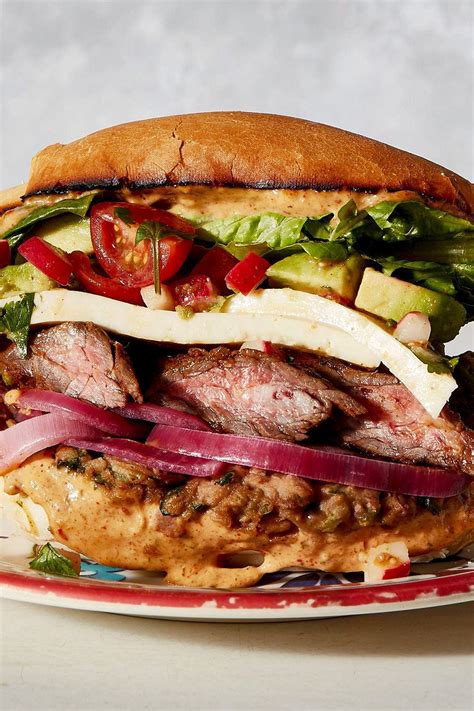
Once served, the dish itself offers further clues. Authentic street food isn’t typically about elaborate plating; it’s about honest, appetizing presentation that reflects its culinary heritage. Look for vibrant colors, inviting textures, and steam rising – all signs of a freshly prepared meal. The aroma, while not strictly visual, often accompanies these visual cues and confirms the sensory delight to come. Portion sizes, too, can tell a story – generous but not wasteful, reflecting local customs.
Location and Ambiance: Off the Tourist Trail
Finally, consider the location. The most authentic finds are often tucked away in unassuming alleys, bustling local markets, or specific neighborhoods far from the main tourist drag. They might not have flashy signs or Instagrammable facades. The ambiance might be simple, even rustic, but it will feel lived-in and genuine. Trust your instincts – if a place feels like a genuine part of the local fabric, it very likely is.
The Art of the Authentic Find
Spotting truly authentic street food is an art cultivated through experience and observation. By tuning into these visual cues – the crowd, the vendor’s dedication, the freshness of ingredients, the honest presentation of the dish, and the local context of the location – you can elevate your food adventures from mere eating to a deeper, more rewarding cultural immersion. Happy hunting!