Visual cues: How to spot authentic local eats & avoid tourist traps?

Embarking on a culinary journey in a new destination is often the highlight of any travel adventure. Yet, the fear of falling into a tourist trap – overpaying for mediocre food designed for foreign palates – looms large. The good news is, with a keen eye and a few strategic observations, you can easily distinguish between an authentic local gem and a generic tourist magnet. It’s all about reading the visual cues.
Follow the Crowd (The Right Crowd)
Perhaps the most reliable visual cue is the clientele. If a restaurant is bustling with locals during peak meal times, you’re likely onto a winner. Look for families, groups of friends, or office workers who appear to be natives of the area, speaking the local language, and engaging in everyday chatter. Tourist traps, by contrast, often feature mostly foreigners, sometimes even with staff actively trying to pull people in from the street.
Observe the way people eat and interact with the staff. Locals often have a familiarity and ease that signifies regular patronage. Don’t be shy; peek inside and see who’s dining before committing to a table.

Menu Language and Specificity
A menu can tell you a lot. Authentic local eateries often have menus primarily in the local language, perhaps with a smaller, less prominent English translation if they cater to some tourists. Be wary of multi-page, laminated menus with generic photos of dishes and translations in half a dozen languages – these are often red flags. Look for short, focused menus that specialize in a few dishes, a sign that they’re mastering their craft.
Also, pay attention to the descriptions. Are they detailed and specific, highlighting local ingredients or cooking methods? Or are they vague and universally appealing (“Chicken with rice,” “Fish and chips”) without any cultural context?
Ambiance: Rustic Charm vs. Over-Themed Decor
The interior design offers another layer of insight. Authentic local spots often prioritize function and comfort over ostentatious decor. You might find simple furnishings, unpretentious artwork, and a general lived-in feel. There’s a certain “soul” to these places. Tourist traps, on the other hand, frequently go overboard with stereotypical cultural decorations, aiming for an “exotic” feel that often comes across as inauthentic or kitschy. Think oversized sombreros, generic Eiffel Tower replicas, or a “traditional” vibe that feels manufactured rather than organic.

The Food Itself: Display and Preparation
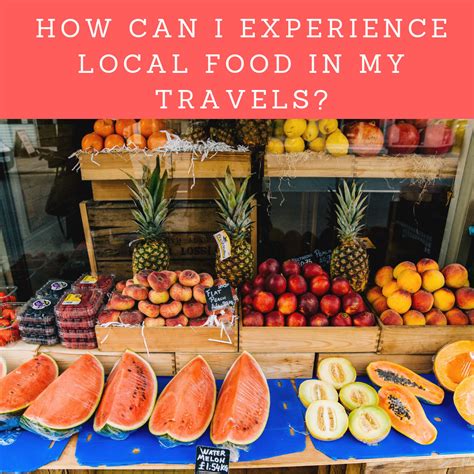
If you can see the food before you order, pay close attention. At street food stalls or casual eateries, how are the ingredients displayed? Do they look fresh, vibrant, and well-maintained? Are dishes being cooked to order, or sitting under heat lamps for extended periods? Freshness is paramount in authentic cuisine.
Even in sit-down restaurants, you can often catch glimpses of the kitchen or dishes being carried out. Look for vibrant colors, fresh garnishes, and preparations that align with traditional methods. A good sign is when you see locals receiving dishes that look hearty, flavorful, and distinctively regional.
Pricing and Value Proposition
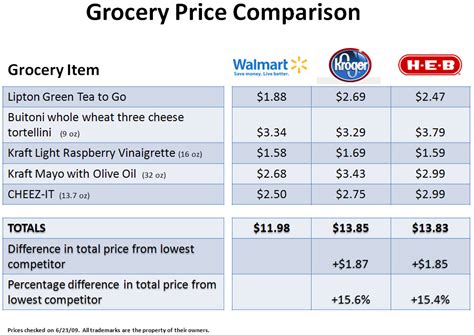
While not strictly a visual cue, pricing often visually indicates authenticity. Tourist traps tend to inflate prices significantly compared to local standards. Do a quick mental comparison: if a simple meal costs as much as a fancy dinner in a local neighborhood, it’s probably a trap. Authentic local eateries aim for good value, offering generous portions of quality food at reasonable prices that cater to the local economy.
Sometimes, observing the portion sizes being served to locals versus tourists can also be a subtle visual cue – though this is less common.
Online Cues and Offline Verification
While online reviews can be a starting point, don’t rely solely on them. Websites like Google Maps or Yelp can show you popular spots, but always cross-reference with your own visual inspection on the ground. Look at the photos uploaded by users: do they show predominantly locals or tourists? Do the dishes look authentic and appealing?
When you arrive at a promising spot, do a quick visual scan using all the points above to verify its authenticity before settling in. A glowing online review might be from a fellow tourist who doesn’t know authentic from inauthentic, so trust your instincts backed by these visual cues.
Ultimately, spotting authentic local eats is about observation, trust, and a willingness to step off the beaten path. By paying attention to who’s eating, what’s on the menu, how the place feels, and how the food looks, you’ll dramatically improve your chances of enjoying genuine culinary delights and creating truly memorable food adventures.