Visual cues to find authentic local eateries, not tourist traps?

When you travel, culinary exploration is often as vital as sightseeing. But the quest for an authentic local meal can quickly lead to disappointment if you stumble into a tourist trap. These establishments often lure unsuspecting visitors with flashy signs and multi-lingual menus, only to deliver mediocre food at inflated prices. The good news? With a keen eye and a bit of savvy, you can learn to spot the genuine gems.
Observe the Clientele: A Human Litmus Test
The most telling sign of an authentic local eatery is its patrons. Take a moment to observe who is dining there. If the place is bustling primarily with locals – families, business people on their lunch break, or friends chatting in the native tongue – you’re likely onto something good. Tourist traps, by contrast, are often filled with other tourists, easily identifiable by their maps, cameras, and perhaps a general air of confusion.
Listen for the language being spoken. While a friendly establishment might have staff who speak some English, a truly local spot will have a predominant chatter in the native language. If you hear more accents from your home country than from the place you’re visiting, consider it a red flag.

Menu and Pricing: Red Flags vs. Green Lights
A menu can reveal a lot. Tourist traps often feature overly long, generic menus with pictures of every dish, translated into multiple languages like English, German, and Japanese. They might offer a ‘global cuisine’ selection rather than focusing on local specialties. Authentic spots, on the other hand, often have shorter, more focused menus, sometimes handwritten, primarily in the local language, with perhaps a simple English translation if they anticipate some foreign visitors.
Pay attention to pricing. If a restaurant located off the main square is charging significantly more than similar places deeper in local neighborhoods, it’s a warning sign. Locals know the fair prices, and authentic eateries cater to that expectation. Look for ‘daily specials’ or ‘set menus’ that are common in the local dining culture – these are often a good value and highlight fresh, seasonal ingredients.
The Ambiance: Beyond the Facade
Authentic local eateries rarely invest in overly polished, generic décor designed to appeal to everyone. Instead, they often have a lived-in feel, perhaps a bit worn but full of character. The charm comes from the authenticity, not expensive renovations. Look for signs of local life – newspapers, community notices, or simple, traditional artwork.
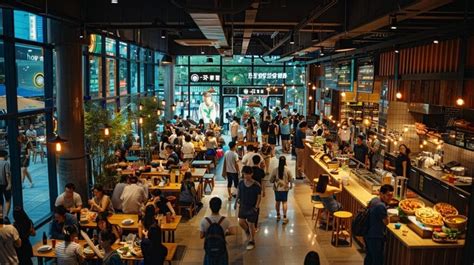
The sounds and smells are also key. A truly local spot will often be lively, filled with the clatter of dishes, the buzz of conversation, and the inviting aromas of local cooking. An open kitchen, where you can see and hear the chefs at work, is often a very good sign of transparency and confidence in their food.
Location, Location, Location: Venture Off the Beaten Path
Tourist traps almost always occupy prime real estate: right next to major attractions, in bustling squares, or along main pedestrian streets. While convenient, these locations command high rents, which are often passed on to customers through inflated prices. True local gems are often tucked away on side streets, down alleys, or in residential areas a few blocks from the main tourist hubs.
Don’t be afraid to walk a little further. A slight detour from the main thoroughfare can lead you to culinary gold. If the exterior looks unassuming, or even a little rustic, that can often be a good sign – locals prioritize good food over flashy storefronts.

Trust Your Gut (And Ask a Local!)
Ultimately, a combination of these visual cues will guide you. If a place feels too quiet, too aggressively marketed, or just ‘off’, trust your instincts. And if all else fails, the most reliable method is to ask a local. Engage with hotel staff, shopkeepers, or even your taxi driver for their personal recommendations. They often know the best spots that are truly loved by the community.
By honing your observation skills, you can dramatically improve your chances of enjoying delicious, authentic meals that provide a true taste of your destination’s culture, far from the clutches of tourist traps.