Visual food adventure: How to quickly spot authentic local food gems?
Embarking on a culinary journey through a new city or country is an experience that tantalizes the senses, but the quest for truly authentic local food can often feel like searching for a needle in a haystack of tourist traps. Fear not, intrepid food explorer! With a keen eye and a few learned visual cues, you can quickly distinguish the genuine article from the imitation, leading you straight to the heart of a destination’s gastronomic soul.
The Golden Rule: Follow the Locals
This is perhaps the most universally accepted visual indicator of an authentic eatery. If a place is bustling with locals, especially during off-peak hours or for specific meals, you’re likely onto something good. Observe queues forming outside a small establishment, or families gathering for a hearty lunch – these are clear signals that the food is not only delicious but also represents the local palate and traditions.
Appearance Matters (But Not How You Think)
No-Frills Decor vs. Tourist Polish
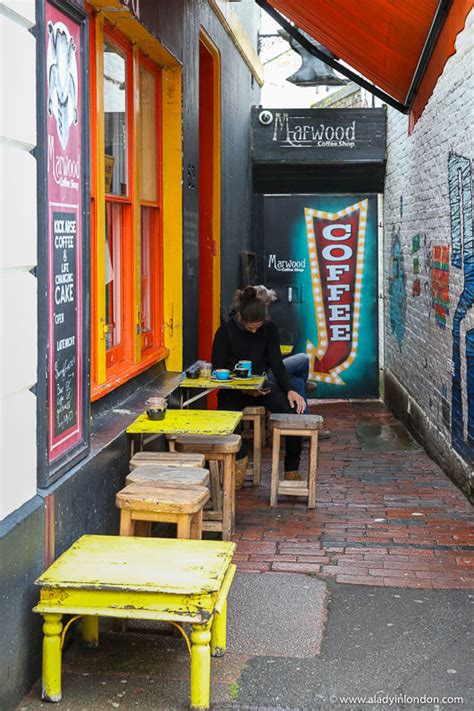
Authentic local food gems often prioritize substance over style. Be wary of overly polished, brightly lit establishments with multi-language menus prominently displayed and staff actively beckoning tourists. Instead, look for humble, perhaps even slightly worn, interiors. Simple tables, plastic chairs, and decor that hasn’t changed in decades can be charming indicators of a place that has stood the test of time based purely on the quality of its food.
The Menu: Focused and Factual
A sign of true specialization is a concise, focused menu. If a restaurant offers dozens of international dishes, it’s a red flag. Authentic local spots typically excel at a limited number of regional specialties. Look for handwritten menus, daily specials listed on a board, or even a lack of a printed menu altogether – where the server simply tells you what’s fresh and available that day. This often signifies a kitchen dedicated to fresh, seasonal ingredients and time-honored recipes.
Observe the Food Itself: Freshness and Preparation
Visible Cooking and Fresh Ingredients
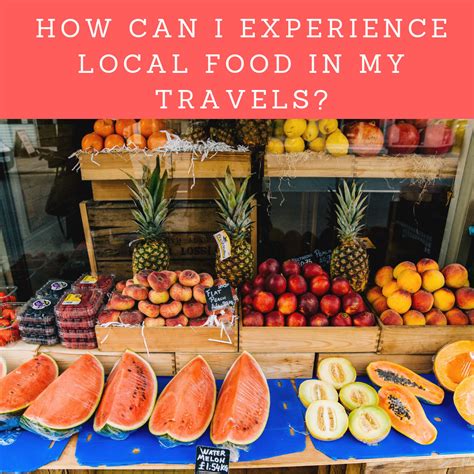
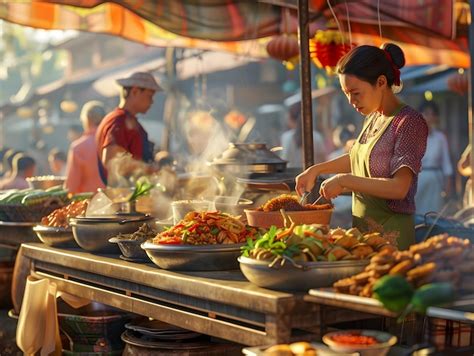
Pay attention to what you can see. Are ingredients displayed fresh at a market stall or in a restaurant window? Can you glimpse into the kitchen, or watch street food being prepared right in front of you? Transparency in food preparation is a huge confidence booster. Seeing vibrant, unprocessed produce, fresh meat, or seafood being handled assures you of the quality and authenticity of what you’re about to consume.
The Plating: Rustic Charm Over Gourmet Artistry
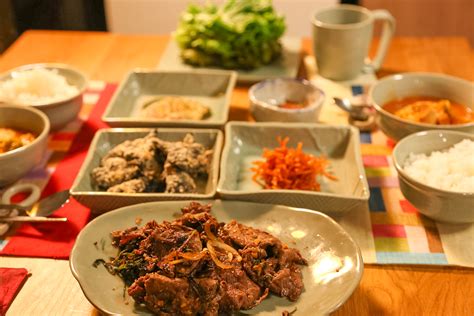
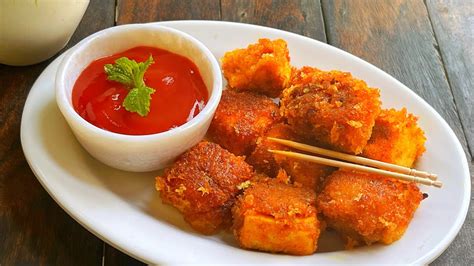
While beautifully plated dishes have their place, truly authentic local food often comes with a more rustic, unpretentious presentation. The focus is on generous portions, comforting aromas, and the inherent beauty of fresh ingredients rather than elaborate garnishes. Look for dishes that reflect home-style cooking rather than Michelin-star ambition – often, the most delicious experiences are the most down-to-earth.
The Sensory Signals: Smell and Sound
Don’t underestimate your other senses. A strong, inviting aroma wafting from an eatery is an undeniable draw. Listen to the sounds of the place: the clatter of woks, the sizzle of grills, the chatter of happy diners (especially in the local language) – these are all auditory cues that speak volumes about a vibrant, authentic food scene. If a place is eerily quiet or smells predominantly of cleaning products, it might be best to move on.
Beyond the Restaurant: Engaging with the Local Food Culture
Sometimes, the best food isn’t found in a formal restaurant at all. Explore local markets – these are treasure troves of regional produce, snacks, and ready-to-eat delights. Engage with vendors, ask for recommendations, and don’t be afraid to try something new. The visual abundance and vibrant atmosphere of a local market are strong indicators of a thriving food culture.
Mastering the visual art of spotting authentic local food gems transforms eating from a necessity into an adventure. By observing crowds, scrutinizing menus, peeking into kitchens, and immersing yourself in the local culinary soundscape, you’ll uncover delicious secrets that guidebooks often miss. So, open your eyes, trust your instincts, and prepare for a truly memorable visual food adventure.