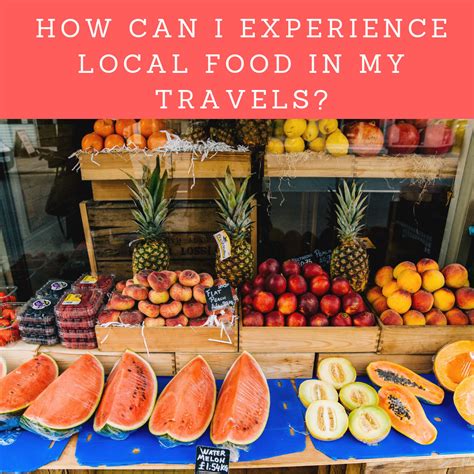
Visual foodie hack: Spotting authentic local eateries via photos?
Unlocking Local Flavors Through Your Screen
In an age where every meal is a potential Instagram post, discerning truly authentic local eateries from tourist traps can feel like a culinary quest. Fortunately, with a keen eye and a few visual hacks, you can become adept at sniffing out genuine gastronomic gems just by looking at their photos online. Before you even step foot in a new city, let your digital detective skills guide you to an unforgettable, local dining experience.
The Dish Tells All: Authentic Presentation Over Polished Perfection
One of the most telling indicators lies in the food itself. Authentic local cuisine often prioritizes flavor and tradition over pristine, overly stylized presentation. Look for:
- Rustic Charm: Dishes that look homely, generous, and perhaps a little imperfect. Think hand-cut noodles, bubbling stews, or vibrant, unevenly chopped salads.
- Local Ingredients: Can you identify unique local produce, cuts of meat, or cooking methods that aren’t common in international cuisine?
- Lack of ‘Globality’: Are there too many generic “pasta,” “burger,” or “pizza” options alongside local specialties? An authentic spot usually focuses deeply on its regional fare.
The Customers Speak Volumes (Without Saying a Word)
Scroll through customer photos, not just the restaurant’s professional shots. Who are the patrons? Are they predominantly locals, families, and regular folks, or does the crowd look exclusively like tourists posing for pictures? A bustling eatery filled with people who clearly know the menu and are comfortable in their surroundings is often a good sign.

Deciphering the Decor and Ambiance
The interior design of an establishment can be a huge clue. Authentic local spots often have a lived-in feel, reflecting years of community patronage rather than a recent, glossy renovation aimed at drawing in new visitors.
- Function Over Form: Simple, utilitarian furniture, perhaps a little worn, suggests a focus on food and community rather than superficial aesthetics.
- Local Touches: Are there genuine local artworks, traditional utensils, or cultural artifacts that blend naturally into the space, rather than feeling like props?
- Lack of Uniformity: Sometimes a mix-match of chairs or tables, or a slightly chaotic, busy atmosphere, can signal a place that prioritizes substance over sleek design.

What to Watch Out For: Red Flags in Restaurant Photos
Just as there are green lights, there are also warning signs that a place might be more of a tourist trap than a local favorite.
- Overly Staged Shots: If every dish looks like it belongs in a magazine ad, perfectly lit and devoid of any natural imperfections, proceed with caution.
- Empty Restaurant Photos: Many restaurant websites feature pristine, empty dining rooms. While understandable for professional shots, a quick look at customer-uploaded photos showing an empty or sparsely populated space during peak hours is a red flag.
- Generic “International” Menus: If the online menu (even if not fully visible) boasts an extensive list of dishes from around the world rather than a focused regional selection, it’s likely trying to appeal to everyone, and thus specializing in nothing.
- Models Posing: If the photos feature professional models rather than actual customers enjoying their meals, it suggests a focus on marketing image over genuine experience.

Putting Your Visual Skills to the Test
Next time you’re planning a trip, don’t just rely on star ratings. Dive deep into the image galleries on review sites, social media, and travel blogs. Pay attention to the details: the texture of the bread, the expressions on people’s faces, the wear on the tables, the colors of the spices. These seemingly small clues combine to paint a powerful picture of an eatery’s true authenticity.
By training your eye to spot these visual cues, you can bypass the bland tourist offerings and head straight for the heart of a destination’s culinary scene, ensuring your food adventures are as rich and genuine as possible.