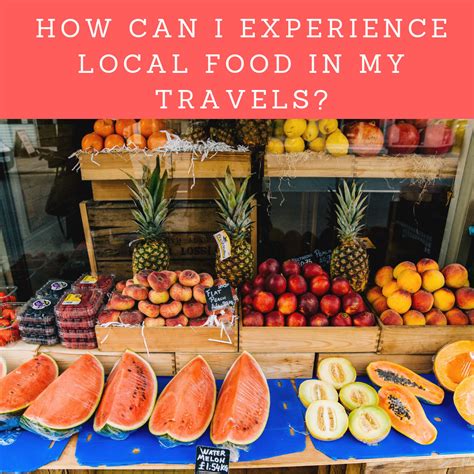
Visual Foodie: How to find authentic local eats & avoid tourist traps?

The Quest for Culinary Authenticity
Travel isn’t just about seeing sights; it’s about tasting cultures. For the visual foodie, the true essence of a destination often lies in its gastronomic heart – the bustling local markets, the unassuming street food stalls, and the family-run eateries where traditions are savored. But how do you navigate a foreign culinary landscape to unearth these hidden gems while sidestepping the ubiquitous, uninspired tourist traps?

Why Go Local? Beyond the Plate
Opting for authentic local eats isn’t merely about finding better food; it’s about experiencing the true pulse of a place. It’s an act of cultural immersion, an opportunity to support local businesses, and often, a more sustainable and economically friendly choice. These establishments typically use seasonal, regional ingredients, offering a taste profile unique to that specific locale.
Strategies for Unearthing True Local Flavor
1. Ask the Right Locals
Don’t just ask your hotel concierge, who might direct you to places with commission agreements. Instead, engage with local shopkeepers, taxi drivers, baristas, or even fellow travelers who seem to have been around a while. Ask them, “Where do YOU eat?” or “Where would your grandmother eat?” This often yields priceless recommendations.
2. Follow the Crowds (The Right Ones)
A long line of locals is almost always a good sign. If a place is packed with people speaking the local language, laughing, and enjoying their meals, you’ve likely struck gold. Be wary of empty restaurants or those filled exclusively with tourists.

3. Wander Off the Beaten Path
Tourist traps tend to cluster around major attractions. Venture a few blocks away from the main squares, iconic landmarks, and heavily trafficked streets. Often, just a short detour can lead you to quiet streets brimming with genuine culinary delights.
4. Look for Local Indicators
Authentic eateries often have:
- Handwritten menus, possibly only in the local language (a good sign!).
- Simple, unpretentious decor.
- A limited menu focusing on a few specialties.
- Locals dining there at typical local hours (which might differ from tourist schedules).
- No flashy signs or aggressive touts.
Dodging the Tourist Traps: Red Flags to Watch For
Identifying tourist traps is just as important as finding authentic spots. Here are common warning signs:
- Aggressive Touts: Restaurants with staff actively trying to pull you in from the street are almost always a trap.
- Multi-Lingual Menus with Pictures: Especially if the pictures look overly generic or unappetizing. A menu in five languages is rarely a sign of authentic, specialized cooking.
- Prime Location, Empty Tables: If a restaurant is right next to a major monument but surprisingly empty during peak hours, there’s a reason.
- Overpriced & Generic Food: If the prices seem disproportionately high for standard fare, or the menu features a hodgepodge of international dishes without a clear focus, move on.
- Excessive Polish, No Character: Some tourist traps try to look fancy but lack the warmth and character of a true local establishment.

The Visual Foodie’s Approach: Capture and Savor
For the visual foodie, finding authentic eats isn’t just about taste; it’s about the entire sensory experience, including the aesthetics of the food, the ambiance of the place, and the vibrant culture surrounding it. Embrace the opportunity to photograph your discoveries, but remember to savor the moment before you snap. Pay attention to the colors, textures, and presentation, even in the simplest of dishes – these are often reflections of local pride and tradition.

Embrace the Adventure
Finding authentic local food is an adventure in itself, requiring a dash of curiosity, a willingness to explore, and an open mind. Don’t be afraid to try something new, even if it looks unfamiliar. Some of the best culinary memories are made when stepping outside your comfort zone. The reward? A delicious, memorable, and truly authentic taste of your travel destination.