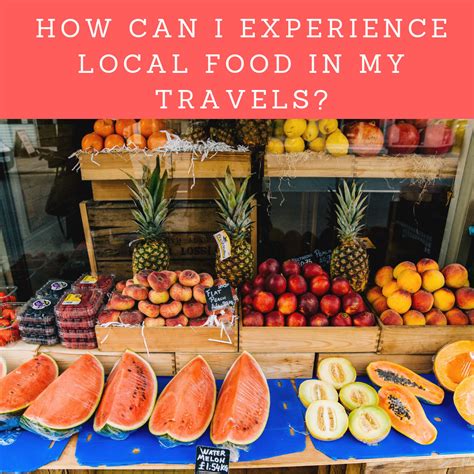
Visual foodie: How to visually vet authentic local street food for best pics?
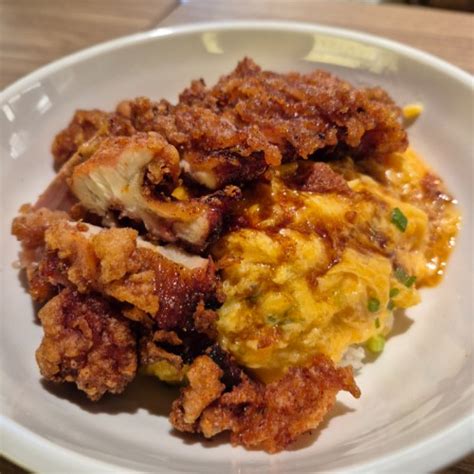
For the modern traveler, food isn’t just sustenance; it’s an experience, a story, and often, a masterpiece waiting to be captured through a lens. Street food, in particular, offers a vibrant tapestry of culture and cuisine, but how do you visually distinguish a truly authentic, photogenic gem from a tourist trap? Becoming a ‘visual foodie’ means learning to read the visual cues that point to both genuine flavors and incredible photo opportunities.
Beyond the Postcard: Spotting True Authenticity
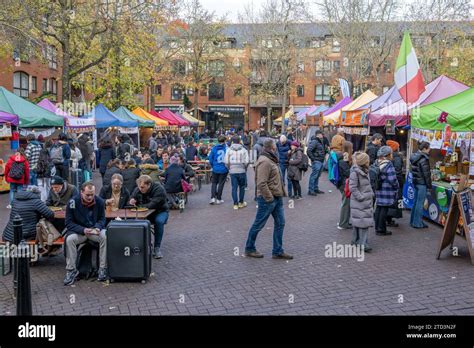
The first step to capturing incredible street food photos is finding genuinely authentic vendors. This isn’t just about taste; authenticity often translates directly into more visually compelling scenes and dishes. Look for stalls bustling with locals – this is often the clearest indicator of quality and tradition. A queue of patrons, especially those who appear to be residents rather than tourists, speaks volumes about the food’s reputation and deliciousness.
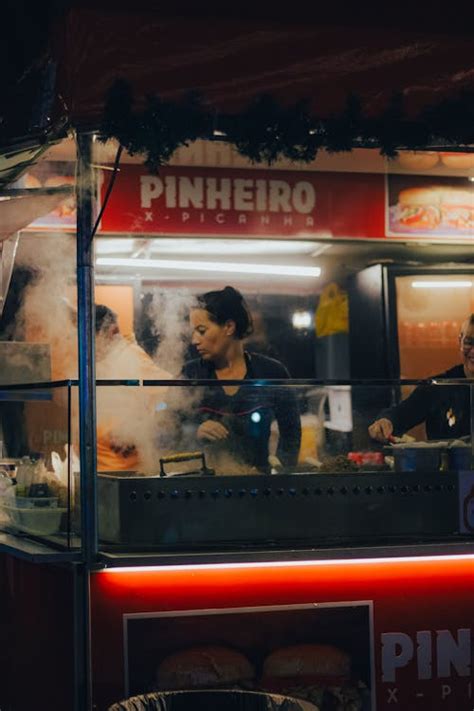
Beyond the crowd, observe the vendor themselves. Are they focused and efficient? Do their tools look well-used but clean? Authenticity often shines through in the details: a seasoned wok, a cutting board worn smooth by years of preparation, or fresh ingredients meticulously arranged. Avoid places that look overly pristine or sterile, as this can sometimes signal a more commercial, less traditional approach. Conversely, a place that looks utterly unkempt is also a red flag for food safety, so aim for a happy medium – a place that feels lived-in and busy, but still maintains a basic level of hygiene.
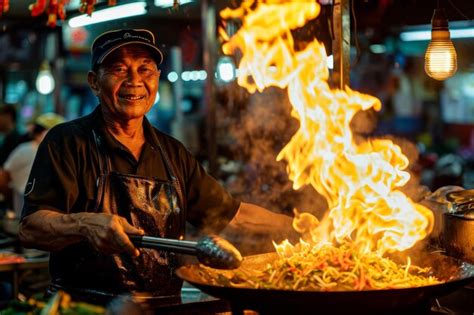
The cooking process itself is a goldmine for both authenticity and photography. Does the food sizzle over an open flame? Are traditional techniques evident, such as dough being hand-stretched or skewers being expertly grilled? These dynamic actions not only ensure a more authentic product but also provide fantastic opportunities for candid, engaging shots that tell a story.
The Art of the Shot: Framing Flavors and Atmosphere
Once you’ve identified an authentic spot, it’s time to think about the “best pics” potential. Natural light is your best friend. Seek out stalls positioned where sunlight gently illuminates the food, highlighting its colors and textures without harsh shadows. Overcast days can also be fantastic, providing soft, diffused light that’s ideal for food photography. Avoid flash photography whenever possible, as it often flattens the image and creates unflattering reflections.

Focus on the food’s inherent visual appeal. Vibrant colors, interesting textures, and steam rising from a hot dish all contribute to an appetizing photograph. Don’t be afraid to get close and capture the intricate details – the char on a grilled skewer, the crispiness of fried dough, or the fresh herbs sprinkled on top. Consider different angles: an overhead shot can highlight the entire composition, while a close-up can emphasize texture and detail.
The background of your shot is almost as important as the food itself. A cluttered or distracting background can ruin an otherwise perfect shot. Look for clean, simple backdrops that complement the food without competing for attention. This might be a plain wall, a blurred street scene, or even the hands of the vendor preparing the dish. Elements like traditional signage, local architecture, or vibrant market life can add context and storytelling to your photos, grounding the food experience in its environment.
Engaging with the Scene: Respectful and Rewarding Photography
Before you start snapping away, take a moment to observe and absorb the scene. This not only helps you find the best angles but also allows you to be respectful of the vendors and their customers. A quick smile and a nod can go a long way. If you plan to take extensive photos of a vendor or their specific dish, it’s always polite to ask permission, even if it’s just with a gesture. Sometimes, buying a dish first can be a great way to break the ice and show your appreciation.

Beyond individual dishes, try to capture the overall ambiance. The steam, the smoke, the hustle and bustle, the interactions between vendors and customers – these elements weave a richer narrative. A wide shot showing the entire stall or market can convey the atmosphere, while tighter shots can focus on the sensory details. Remember, you’re not just documenting food; you’re documenting a cultural experience.
Conclusion: The Visual Feast Awaits
Becoming a visual foodie is about more than just taking pictures; it’s about developing an eye for authenticity, quality, and beauty in the vibrant world of street food. By observing local crowds, scrutinizing vendor setups, understanding the nuances of light and composition, and engaging respectfully with your surroundings, you’ll not only discover truly authentic culinary delights but also capture stunning, story-rich photographs that transport viewers straight to the heart of your food adventures. So, grab your camera and your appetite – the visual feast awaits!