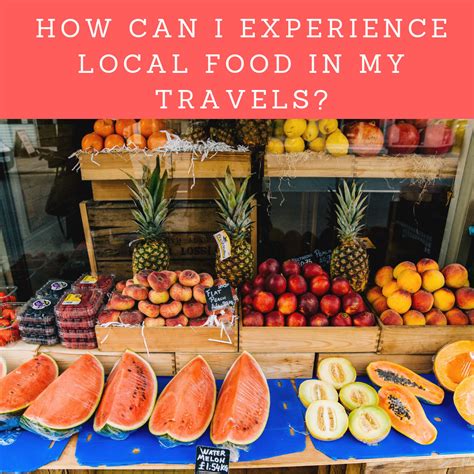
Visual foodie quest: How to spot authentic local street food stalls abroad?

Embarking on a culinary journey abroad often means diving headfirst into the vibrant world of street food. It’s where the heart and soul of a local culture truly shine, offering an explosion of flavors rarely found in upscale restaurants. But with countless options, how do you discern the genuine article from the tourist trap? Fear not, intrepid foodie! This guide equips you with the visual cues and insider tips to confidently spot authentic local street food stalls.
Follow the Locals, Not the Tourists
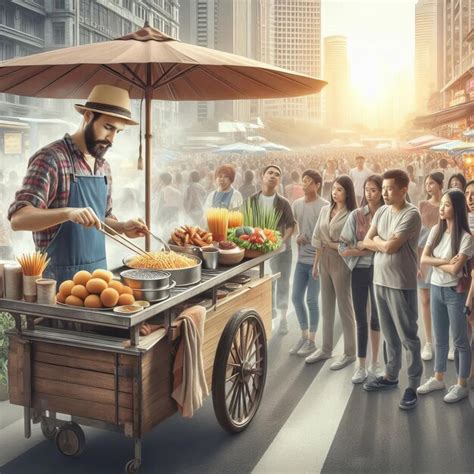
This is arguably the golden rule of street food hunting. A stall teeming with local patrons is a clear indicator of quality and authenticity. Locals know best what’s good, fresh, and reasonably priced. Look for families, workers on lunch breaks, or groups of friends enjoying their meals. If you see only fellow tourists, it might be worth exploring other options.

Conversely, a stall with flashy English menus and aggressive touts trying to flag down foreigners is often a red flag. Authentic local spots usually don’t need to work hard to attract customers; their reputation and delicious offerings do the talking.
The Queue Is Your Clue
Patience is a virtue, especially when it comes to good food. A long queue, particularly one moving steadily, signals popularity and often, a high turnover of ingredients, meaning everything is fresh. Don’t be deterred by a line – join it! It’s a small price to pay for a memorable meal, and it gives you time to observe what others are ordering and how the food is prepared.
Observe the Setup: Simplicity and Specialization
Specialization Over Variety
Many truly authentic street food vendors are masters of one or two dishes, not a sprawling menu of a dozen different cuisines. A stall that focuses on a single item – be it a specific noodle dish, a type of dumpling, or a unique skewer – often indicates years of perfected recipes and expert preparation. This specialization is a hallmark of authenticity and quality.
Humble and Hygenic
Authenticity doesn’t always equate to pristine, stainless-steel kitchens. Street food setups can be humble, but look for signs of cleanliness that matter: fresh ingredients kept on ice or covered, cooking surfaces that appear regularly wiped down, and vendors handling money and food with separate hands or gloves. A busy vendor means food isn’t sitting around for long, reducing hygiene risks.
The Scent and Sizzle Test
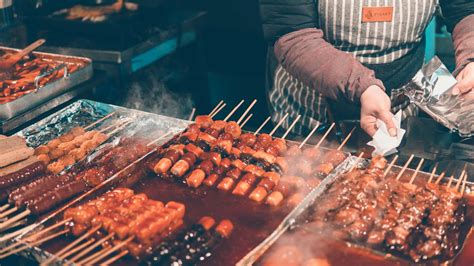
Trust your senses! The aroma emanating from a street food stall can tell you a lot. Is it a mouth-watering fragrance of spices, grilling meat, or freshly baked goods? Or is it an unappetizing, stale smell? A vibrant, active cooking process – sizzling woks, bubbling pots, grilling flames – is a great sign that food is being prepared fresh and with care. The sounds of chopping, stirring, and bustling activity also contribute to the sensory experience of an authentic spot.
Look for Fresh, Visible Ingredients
An authentic vendor often proudly displays their ingredients. Fresh vegetables, cuts of meat, and seafood should be visible and appear vibrant, not wilted or discolored. The transparency in preparation, where you can see your food being cooked right in front of you, adds to the appeal and reassures you of its freshness. If ingredients are hidden away or seem pre-made and sitting for a long time, proceed with caution.
Cash Is King (and a Sign of Authenticity)
While many places are modernizing, a purely cash-based operation can still be a subtle indicator of a smaller, independent, and traditionally-run local business. Tourist-heavy spots are more likely to accept credit cards and various payment apps. Always carry small denominations of local currency when venturing into street food territory.
Don’t Be Afraid to Point and Smile
Language barriers are common, but a friendly smile and pointing at what others are eating is a universal language. Most vendors are happy to help and appreciate your interest in their food. This interaction, though brief, adds to the authentic experience and can sometimes lead to trying something new and unexpected.
Observe the Utensils and Dishes
While not a primary indicator, pay attention to how dishes are served. In many cultures, reusable plates and cutlery are common, often washed on-site. Observe the washing practices; are they quick rinses or a more thorough cleaning? If in doubt, opt for stalls using disposable bowls or those that clearly have a robust washing system. Sometimes, a simple banana leaf or paper wrap is the most authentic and hygienic serving method.

Conclusion: Trust Your Gut (Literally!)
Ultimately, spotting authentic street food stalls is a blend of observation, common sense, and a dash of adventure. By following these visual cues – observing locals, embracing the queue, valuing specialization, checking for visible freshness and hygiene, and trusting your senses – you’ll significantly increase your chances of discovering incredible, memorable, and authentic culinary delights on your travels. So go forth, explore, and let your visual foodie quest lead you to some of the best eats the world has to offer!