Visual foodie tips: Spotting genuine local eats vs. tourist traps?

The Quest for Authentic Flavors: Why Visual Cues Matter
Embarking on a culinary journey in a new city or country is arguably one of the most rewarding aspects of travel. The thrill of discovering a genuinely local dish, prepared with generations of tradition, far outweighs the disappointment of a mediocre, overpriced meal designed solely for tourists. While online reviews and local recommendations are invaluable, developing a keen eye for visual clues on the ground can be your secret weapon in distinguishing a hidden gem from a cleverly disguised tourist trap.
Learning to trust your instincts, backed by observable evidence, empowers you to make spontaneous and delicious dining decisions. Forget the endless scrolling through apps; let’s sharpen your visual senses to pinpoint where the real magic happens.
Tip 1: Observe the Crowd – Locals Know Best
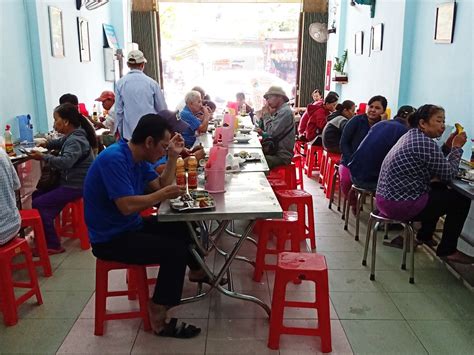
Perhaps the most telling visual cue is who’s eating there. Take a moment to peek inside. Is the restaurant bustling with locals on their lunch break, families enjoying an evening meal, or elderly residents leisurely sipping coffee? This is often a strong indicator of authenticity. Locals are discerning; they know where to find the best quality and value in their own city.
Conversely, if the clientele consists almost exclusively of other travelers, clutching guidebooks and speaking your native tongue, proceed with caution. While not always a definitive red flag, it suggests the establishment might cater more to international palates and expectations, potentially at the expense of genuine local character.
Tip 2: Scrutinize the Menu – Simplicity Over Gloss
A menu can tell a thousand stories. Tourist-oriented establishments often feature laminated, multi-page menus with a vast array of dishes, each accompanied by glossy, sometimes unappetizing, photographs. They might offer dishes from several different cuisines to appeal to a broader international audience.
Authentic local eateries, on the other hand, often have simpler, more focused menus. They might be handwritten, or even just a chalkboard displaying daily specials. A shorter menu often indicates freshness and a focus on seasonal, local ingredients. A menu primarily in the local language (perhaps with a small, discreet translation) also signals that the place primarily serves its community.

Tip 3: The Ambiance and Decor – Character Over Kitsch
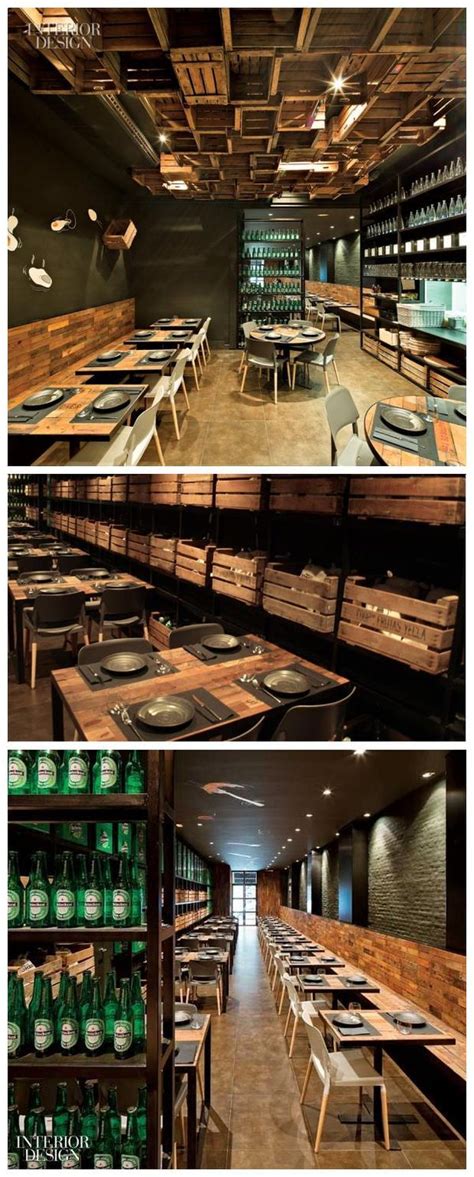
Step beyond the facade and evaluate the interior. Does it feel genuinely lived-in and characteristic of the local culture, or does it scream “themed restaurant” designed to evoke a stereotypical image for tourists? Tourist traps often feature overly polished, generic, or overtly “traditional” decor that feels manufactured.
Genuine local spots tend to be unpretentious, perhaps a bit worn around the edges, but clean and full of local charm. They might have simple tables, practical furnishings, and decor that reflects everyday life rather than a staged cultural experience. Look for signs of local life – newspapers, family photos, or utilitarian items that hint at a genuine establishment.
Tip 4: Location, Location, Location – Venture Off the Main Drag
While not an absolute rule, many authentic local eateries thrive a few blocks away from major tourist attractions, busy squares, or main thoroughfares. They don’t rely on prime foot traffic; their reputation and consistent quality draw people in. Take a slight detour down a side street or into a quieter neighborhood.
Sometimes, the best food experiences are found in unassuming spots that require a little exploration. These places are often less visible to the casual tourist, but are well-known to locals. If a restaurant is directly opposite a major landmark with touts trying to usher you in, it’s usually best to keep walking.

Tip 5: Observe the Food Itself & Service – Authenticity in Presentation
Before you even order, pay attention to how the food looks, either on other patrons’ tables or if there’s a visible kitchen/counter. Is the food simple, hearty, and focused on fresh, identifiable ingredients? Or is it overly garnished, perhaps styled for Instagram more than for taste, potentially sacrificing substance for superficial appeal?
Also, observe the service. In authentic local spots, the staff might be less overtly eager to please in a “tourist-friendly” way, but their service is often efficient, straightforward, and genuine. They are focused on serving good food to their regulars. Overly pushy or overly theatrical service can sometimes be a sign of a tourist-centric operation.
Conclusion: Trust Your Eyes, Trust Your Gut
Becoming a visual foodie is an art that develops with practice. By paying close attention to the visual cues around you – the people, the menus, the decor, the location, and the food itself – you dramatically increase your chances of discovering those incredible, authentic local eats that make travel truly memorable. Don’t be afraid to venture off the beaten path, observe keenly, and most importantly, trust your gut feeling. Happy eating!