Visual Foodies: How to find & photo truly authentic local eats, not tourist traps?
The Allure of Authentic Flavors: Beyond the Postcard Platter
For the true visual foodie, travel is as much about tasting a destination as it is seeing it. There’s a profound satisfaction in discovering a hole-in-the-wall eatery where the flavors tell a story, far removed from the generic fare churned out for mass tourism. But in an age saturated with social media and curated experiences, how do you sniff out the truly authentic local eats and capture their essence, without falling into the dreaded tourist trap?
This guide will equip you with the strategies to become a culinary detective, an astute observer, and a skilled photographer, ensuring your gastronomic adventures are genuinely local and visually stunning.

Pre-Trip Reconnaissance: Your Digital Detective Work
The hunt for authenticity begins long before you pack your bags. Forget generic travel guides; instead, dive deep into more specialized resources:
- Local Blogs & Forums: Search for food blogs written by locals, or expat forums. These often share hidden gems and offer insights into local dining etiquette. Use native language search terms if possible (e.g., “best street food [city name]” in the local language).
- Social Media Deep Dive: Instagram and TikTok can be powerful tools, but look beyond the influencers. Search geotags for specific neighborhoods and browse photos posted by non-travel accounts. Look for repeat visits by locals.
- Google Maps & Street View: Pinpoint neighborhoods known for local markets or residential areas away from major attractions. Use Street View to scout the vibe of a place – do you see locals dining? Is the signage in the local language?
Boots on the Ground: Sensing Authenticity in Real-Time
Once you arrive, your senses become your most valuable tools. Trust your gut and observe like a seasoned traveler:
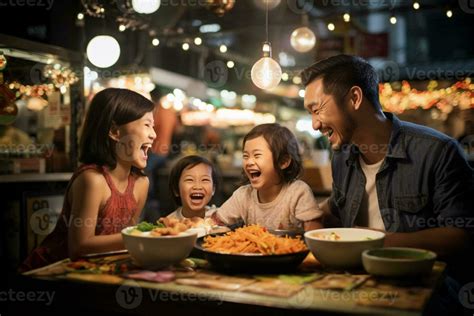
- Follow the Locals: This is the golden rule. A restaurant packed with locals during peak hours is almost always a good sign. If you see families, elderly people, or workers on their lunch break, you’re likely in the right place.
- Look for Simplicity: Authentic local eateries often prioritize food quality over lavish decor. Unpretentious settings, simple menus (perhaps even handwritten), and focused offerings are good indicators.
- Price Points: While not always definitive, significantly higher prices than surrounding establishments can be a red flag. Local food is usually affordable.
- Language Barrier (Sometimes a Good Sign): A restaurant where English isn’t widely spoken can sometimes mean it caters primarily to locals. Be patient, use translation apps, and embrace the adventure.
- Ask the Right People: Discreetly ask hotel staff (but not the concierge, who might have tourist commissions), taxi drivers, or shopkeepers for their personal favorite local spots. Frame it as “Where do YOU go to eat?”
Spotting the Tourist Traps: Red Flags
Be wary of multi-language menus with pictures of every dish, aggressive touts outside, restaurants directly next to major attractions, or places with suspiciously empty seats during peak dining times.

Capturing the Culinary Story: Photography Tips for Foodies
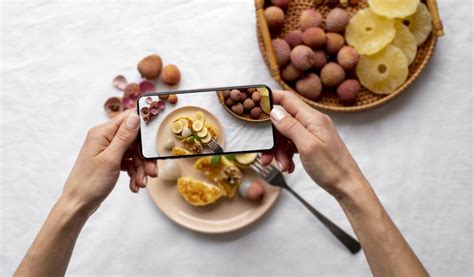
Once you’ve found your authentic gem, it’s time to capture its magic visually. Good food photography isn’t just about the dish; it’s about the experience:
- Embrace Natural Light: The best light is often found near windows or outdoors. Avoid harsh overhead lighting or using your camera’s flash, which can flatten the food.
- Composition is Key: Experiment with different angles. A top-down shot works well for colorful bowls, while a slightly angled shot highlights texture and depth. Get close to showcase details, or pull back to include the atmosphere.
- Focus on the Star: Ensure the main dish is sharp and in focus. Use shallow depth of field (blurry background) to make your food pop.
- Tell a Story: Include elements that give context – the rustic table, a local drink, hands holding chopsticks, the chef in the background, or the bustling street scene. These details add authenticity to your shot.
- Be Respectful and Quick: Ask permission before photographing people, especially in more conservative cultures. Take your shots quickly so you can enjoy your meal and not disrupt others.
Mindful Munching: Respect and Responsibility
Beyond the hunt and the photo, remember the core of the authentic experience is respect. Support local businesses with your patronage, try to learn a few basic phrases in the local language, and be an appreciative guest. Your journey to find truly authentic eats is a cultural exchange, not just a meal.
By applying these strategies, you’ll not only discover incredible flavors but also create a visual diary of truly unique, memorable, and authentic food adventures that stand apart from the generic tourist trail.