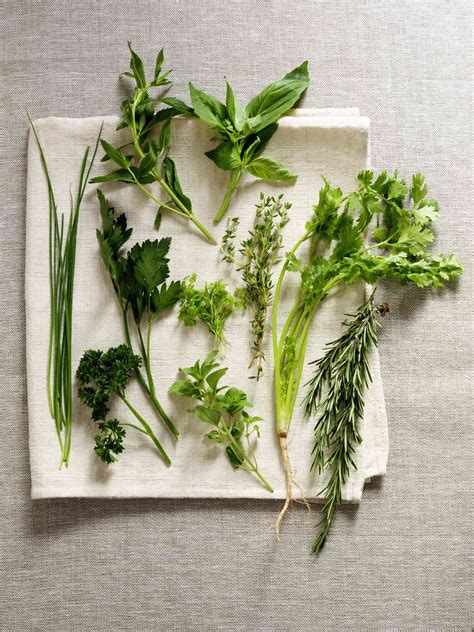
Visual guide: Keep fresh herbs vibrant longer for peak foodie flavor & presentation?

Why Your Fresh Herbs Deserve a Longer Life
Fresh herbs are the soul of countless dishes, adding vibrant flavor, aromatic complexity, and a crucial touch of visual elegance. However, their delicate nature often means they wilt and lose their potency just days after purchase. This guide will walk you through simple yet effective strategies to extend the life of your fresh herbs, ensuring they remain peak-fresh for longer, ready to elevate your culinary endeavors.
From tender leaves like basil and cilantro to robust sprigs of rosemary and thyme, understanding the right storage method can significantly impact their shelf life, reduce food waste, and keep your kitchen stocked with fresh goodness.
The Fundamentals of Herb Preservation
At their core, fresh herbs are living plants, and their longevity depends on replicating their natural growing conditions as closely as possible. The key factors to control are moisture, air circulation, and temperature. Too much moisture can lead to mold and rot, too little will cause wilting, and improper temperature can accelerate decay.
Sorting and Preparation
Before storing, always inspect your herbs. Remove any discolored, bruised, or damaged leaves. A gentle rinse under cold water can remove dirt, but ensure they are thoroughly dry before storage, especially for methods that involve wrapping. Excess moisture is the enemy of fresh herbs in most storage scenarios.
Methods for Tender Herbs (Basil, Cilantro, Parsley, Mint, Dill)
Tender herbs have soft stems and delicate leaves. They thrive when treated somewhat like fresh-cut flowers.
The Water-Glass Method
This is arguably the most popular and effective method for many tender herbs. Trim the very ends of the stems, much like you would cut flowers. Place the herbs stem-down in a glass or jar with about an inch of fresh, cool water. Cover the leaves loosely with a plastic bag (a produce bag works well) to create a humid environment, then place the entire setup in the refrigerator. Change the water every 1-2 days. Basil is an exception; it prefers room temperature away from direct sunlight, as refrigeration can cause it to blacken.
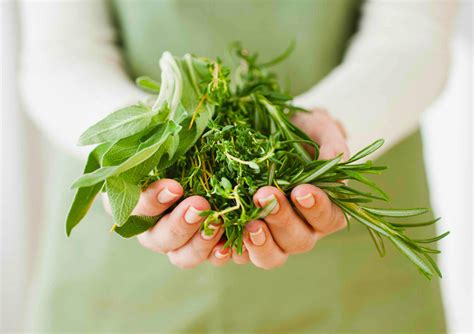
Methods for Hardy Herbs (Rosemary, Thyme, Oregano, Sage, Chives)
Hardy herbs have tougher stems and leaves, making them more resilient. They generally prefer a drier, less humid storage environment than their tender counterparts.
The Damp Paper Towel & Bag Method
Gently wash and thoroughly dry your hardy herbs. Lay them flat on a slightly damp (not wet) paper towel. Roll the herbs up in the paper towel and place the entire bundle into a plastic zip-top bag or an airtight container. Store in the crisper drawer of your refrigerator. The slight dampness prevents drying out, while the bag or container minimizes air exposure.
Special Considerations and Tips
Basil’s Preference
As mentioned, basil is a rebel. Keep it on your counter, stem-down in a glass of water, uncovered, or loosely covered with plastic wrap, away from direct sunlight. Refrigeration causes its leaves to turn black.
Freezing for Long-Term Storage
For even longer preservation, freezing is an excellent option for most herbs, though it will alter their texture, making them better suited for cooked dishes rather than fresh garnishes. Chop herbs finely, then mix with a little olive oil or water and freeze in ice cube trays. Once solid, transfer the herb cubes to a freezer-safe bag or container.

Avoid Crowding
Whether in water or wrapped, give your herbs space. Overcrowding can lead to poor air circulation, which promotes wilting and mold growth.
Regular Checks
Periodically check your stored herbs. Remove any leaves that show signs of spoilage immediately to prevent it from spreading to the rest of the batch.
The Payoff: Enhanced Flavor and Presentation
Investing a few extra minutes in proper herb storage yields significant rewards. Your dishes will boast brighter, more intense flavors, and the visual appeal of fresh, vibrant garnishes will elevate your cooking from good to gourmet. Beyond the aesthetic and taste benefits, thoughtful storage also reduces food waste, saving you money and contributing to a more sustainable kitchen.

Embrace these simple techniques, and you’ll find yourself reaching for fresh herbs more often, confident that they’ll be as vibrant and flavorful as the day you bought them.