Visual guide: Perfect flaky pie crust for desserts, no soggy bottom?

Introduction: The Quest for the Perfect Pie Crust
A perfectly flaky, golden-brown pie crust is the foundation of any great dessert pie. It’s the crisp counterpoint to a luscious filling, the structural hero that holds it all together. Yet, many home bakers dread the process, fearing a tough, crumbly, or, worst of all, a soggy bottom. Fret no more! This visual guide will walk you through every step to achieve that coveted tender flakiness and ensure your pie crust stands up to any filling, promising a delightful crunch with every bite.
The Anatomy of a Flaky Crust: Key Principles
Understanding the science behind a flaky crust is the first step to mastering it. It all boils down to a few critical elements:
1. Cold Fat is Your Friend
Whether you use butter, shortening, or a combination, ensure it’s very cold, preferably frozen and then grated or cut into small pieces. When fat melts in the oven, it creates steam, which separates the layers of dough, resulting in flakiness. If the fat melts before baking, you’ll end up with a tough crust.
2. Ice Water, Not Just Cold Water
The colder the water, the less gluten develops in the flour, which prevents a tough crust. Use just enough to bring the dough together, no more.
3. Minimal Handling
Overworking the dough develops gluten, leading to a tough, elastic crust. Handle it quickly and gently to keep the fat cold and gluten development minimal.
4. Ample Chilling Time
Chilling the dough allows the gluten to relax and the fat to firm up, making it easier to roll and ensuring those crucial layers form during baking.
Step-by-Step: Crafting Your Dough
-
Gather Your Ingredients and Tools
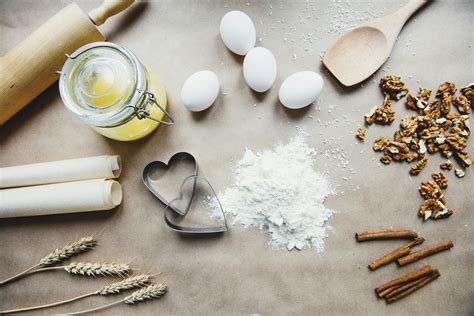
You’ll need all-purpose flour, very cold unsalted butter (or shortening), ice water, and a pinch of salt. Equip yourself with a large mixing bowl, a pastry blender or your fingertips, and plastic wrap.
-
Combine Dry Ingredients and Cut in Fat
In your mixing bowl, whisk together the flour and salt. Add the cold, diced butter or shortening. Using a pastry blender or your fingertips, quickly work the fat into the flour until the mixture resembles coarse meal with some pea-sized pieces of butter remaining. These chunks are essential for flakiness!
-
Add Ice Water Gradually
Drizzle in the ice water, one tablespoon at a time, mixing gently with a fork after each addition. Stop adding water as soon as the dough just begins to come together. It should be shaggy but hold together when squeezed. Too much water will make it sticky and tough.
-
Form and Chill the Dough
Gently gather the dough into a ball and flatten it into a disc. Wrap it tightly in plastic wrap and refrigerate for at least 30 minutes, or up to 2 days. This chilling step is non-negotiable for a tender, flaky crust.
Rolling and Fitting Your Crust
-
Prepare Your Work Surface
Lightly flour a clean surface. Remove the dough from the fridge and let it sit for a few minutes to soften slightly, but not too much.
-
Roll with Precision
Using a rolling pin, roll the dough from the center outwards, rotating it frequently to prevent sticking and maintain an even thickness (about 1/8 inch). Aim for a circle about 2 inches larger than your pie plate.
-
Transfer to Pie Plate
Carefully transfer the rolled dough to your pie plate. You can gently fold it in half or quarters, or roll it around your rolling pin. Ease it into the plate without stretching. Trim the edges, leaving about a 1-inch overhang, then fold the overhang under and crimp as desired.

The Secret to No Soggy Bottom: Blind Baking
A soggy bottom crust is often the result of a wet filling making direct contact with raw dough and preventing it from fully cooking. Blind baking (or par-baking) is your ultimate defense, especially for custard pies, quiches, or pies with very moist fillings that don’t get a long bake time.
-
Chill Again
Once the dough is in the pie plate and crimped, place it back in the freezer for 15-20 minutes. This helps the fat firm up and prevents shrinkage during baking.
-
Line and Weigh
Preheat your oven to 375-400°F (190-200°C). Line the chilled pie crust with parchment paper or aluminum foil, pressing it gently against the sides. Fill with pie weights, dried beans, or rice, ensuring they reach the edges to prevent the crust from bubbling up.
-
Bake Until Golden
Bake for 15-20 minutes, then carefully remove the weights and parchment/foil. Prick the bottom of the crust a few times with a fork. Continue baking for another 10-15 minutes, or until the crust is golden brown and appears dry. If your recipe calls for a completely baked crust (e.g., for a no-bake filling), continue baking until deep golden.
-
Egg Wash (Optional but Recommended)
For an extra layer of protection against moisture, brush the bottom and sides of the par-baked crust with a beaten egg white or whole egg mixture during the last 5 minutes of baking. This creates a seal.

Final Baking Tips for Success
- Use a Metal or Glass Pie Plate: Metal conducts heat quickly for crispier crusts, while glass allows you to see the bottom to ensure it’s cooked through. Ceramic can be beautiful but may require longer bake times.
- High Heat First: Many recipes call for starting pies at a higher temperature for the first 15-20 minutes to “set” the crust, then reducing it for the remainder of the bake.
- Protect the Edges: If your crust edges are browning too quickly, loosely tent them with aluminum foil.
- Don’t Underbake: A pale, underbaked crust will inevitably be soft and potentially soggy. Bake until truly golden brown, even on the bottom.

Conclusion: Practice Makes Perfect
Crafting the perfect flaky pie crust is a skill that improves with practice. Don’t be discouraged by initial attempts; pay attention to the details – especially temperature and minimal handling – and you’ll soon be turning out beautiful, flaky, and most importantly, non-soggy pie crusts that will impress everyone. Happy baking!