Visual guides: How to master perfect texture & doneness in recipes?
Cooking is often perceived as an exact science, but truly mastering a recipe extends beyond precise measurements and instructions. The most accomplished chefs rely heavily on their senses, particularly sight, to gauge the perfect texture and doneness of food. Visual cues are your secret weapon, transforming guesswork into confident precision. This guide will walk you through how to train your eyes to achieve consistently perfect results, every time.
The Art of Seeing Doneness in Meats
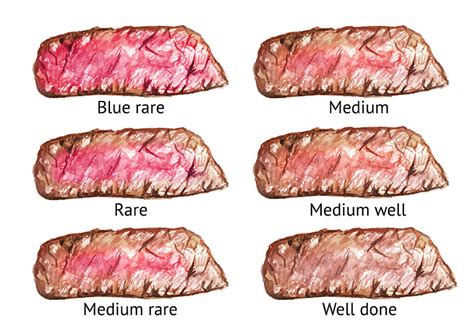
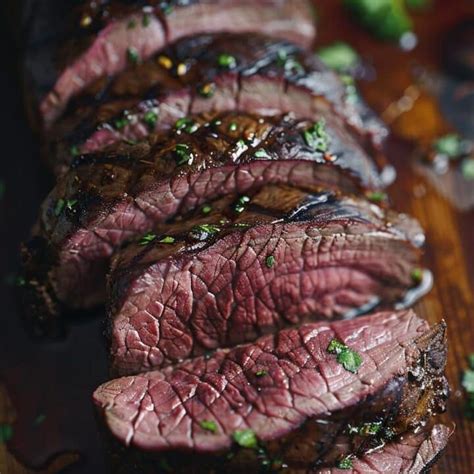
Meats present some of the most critical challenges when it comes to doneness, as undercooked can be unsafe and overcooked can be tough and dry. For red meats like beef and lamb, the internal color is a primary indicator. Rare will be bright red and cool in the center, medium-rare a warm red, medium a pink center, and well-done a uniform gray-brown. Observe how the surface browns and caramelizes – a rich, deep brown crust often signifies excellent flavor development, but watch for burning. Chicken, on the other hand, must be cooked through, with juices running clear and no pink visible in the thickest part of the meat.
Visual Cues for Perfectly Cooked Vegetables
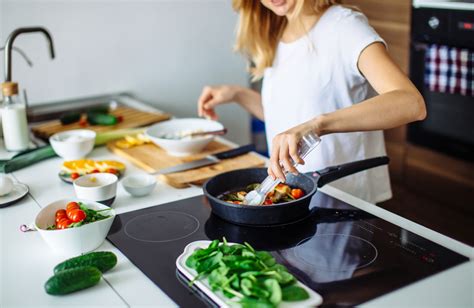
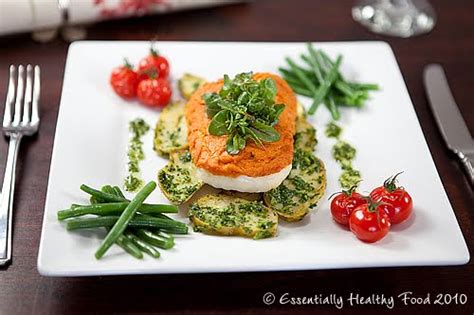
Vegetables offer a spectrum of textures, from crisp-tender to melt-in-your-mouth soft. When sautéing or stir-frying, look for vibrant colors and a slight translucency. Broccoli and green beans should retain a bright green hue, not turn dull army green, indicating they are perfectly crisp-tender. Roasted vegetables should exhibit beautiful caramelization and slightly softened edges, a sign that their natural sugars have developed and intensified their flavor. Overcooked vegetables often lose their vibrant color, becoming limp and watery.

Cracking the Code of Baked Goods Texture
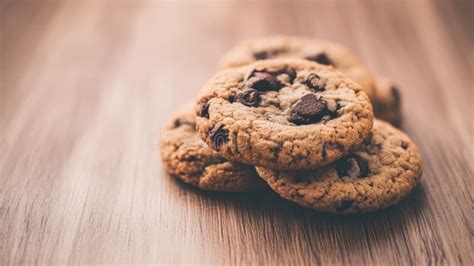
Baking is a science where visual cues are paramount for texture. For cakes and muffins, a golden-brown top, edges pulling away from the pan, and a slight spring back when gently pressed are all indicators of doneness. Cookies should have lightly golden edges and a slightly firm, yet still pliable, center if you’re aiming for chewiness. For breads, a deep golden crust and a hollow sound when tapped on the bottom are classic signs that it’s baked through. Pay attention to cracks on cheesecakes, which can indicate overbaking, or the “jiggle test” for custards and tarts – a slight wobble in the center is often perfect, signifying creaminess without being raw.
Beyond Sight: Combining Senses for Mastery
While visual cues are incredibly powerful, they are most effective when combined with your other senses. Touch can tell you a lot about meat doneness (the firmness test) or the pliability of dough. Sound, such as the sizzle of searing meat or the crackle of a perfectly baked crust, provides additional information. And of course, smell – the rich aroma of toasted spices or the sweet scent of caramelization – can signal that your dish is reaching its peak. Integrating all these sensory inputs refines your cooking intuition.
Practical Tips for Developing Your Eye
Mastering visual guides takes practice and observation. Firstly, always pay close attention to the visual descriptions in recipes you follow – many good recipes will include phrases like “until golden brown” or “until translucent.” Secondly, don’t be afraid to experiment; slightly undercook or overcook a small batch to understand the differences. Use reference guides, like internal temperature charts alongside visual cues, to build a mental library. Over time, you’ll develop an innate understanding, allowing you to intuitively adjust cooking times and temperatures based on what you see.

By consciously observing and interpreting the subtle changes food undergoes during cooking, you can elevate your culinary skills significantly. Embrace your inner artist and scientist, and let your eyes guide you to perfectly textured, exquisitely done dishes every time you step into the kitchen.