Visual hacks: How do foodies spot authentic local eats & avoid tourist traps?
The quest for authentic local food is often at the heart of any travel adventure. There’s an unparalleled joy in discovering a hidden gem, a place where locals truly gather to savor their cuisine. However, this pursuit is frequently complicated by the ever-present challenge of tourist traps – establishments designed to lure unsuspecting visitors with flashy signs and inflated prices, often at the expense of genuine flavor and experience. But fear not, aspiring culinary explorers! Seasoned foodies have developed a keen eye for visual cues that act as their secret weapon. Let’s delve into these ‘visual hacks’ that help discern the real deal from the tourist facade.
The First Clue: Who’s Eating Here?
Perhaps the most fundamental visual hack is simply observing the clientele. A restaurant packed with locals is almost always a good sign. Look for families, business people on their lunch break, or groups of friends conversing in the local tongue. If you walk past an eatery and see only tourists consulting guidebooks or speaking English loudly, it’s a strong indicator you might be stepping into a tourist-centric establishment.
Conversely, a place with a bustling energy, where the staff seems to know the regulars, and the chatter is predominantly local, signals authenticity. Don’t be afraid to peek inside and observe the demographic before committing to a table. A truly local spot prioritizes its community, and that loyalty is palpable in its atmosphere.
Decoding the Menu: Language, Photos, and Pricing
The menu itself offers a wealth of visual clues. Be wary of menus translated into five different languages, often with glossy, generic photos of dishes that look suspiciously unappetizing. While some reputable establishments do offer translations for convenience, an authentic local spot often has a simpler menu, possibly hand-written, and primarily in the local language, sometimes with sparse or no photos.
Additionally, pay attention to the pricing. Tourist traps often feature inflated prices for basic, common dishes. Compare prices with what you’ve seen in other, less conspicuous eateries. If a simple bowl of noodles costs significantly more than elsewhere, it’s a red flag. Authentic places often offer excellent value for money because they rely on repeat local business, not one-time tourist spends.
Ambiance and Atmosphere: Beyond the Facade
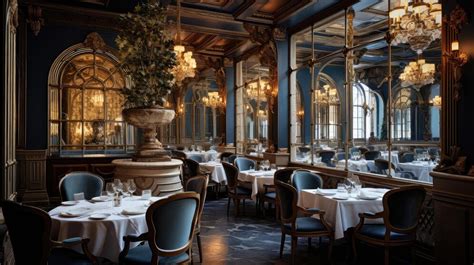
The decor and general ambiance can speak volumes. Tourist traps frequently go overboard with stereotypical cultural decorations, attempting to create an ‘authentic’ theme park experience. Think sombreros on every wall in Mexico, or excessive amounts of tartan in Scotland. Genuine local eateries, however, often possess a more understated, functional, and even slightly worn-in charm. They might be simple, bustling, and unpretentious, reflecting decades of serving the community.
Observe the kitchen, if visible. An open kitchen showing chefs actively cooking with fresh ingredients is a fantastic sign. The smells wafting from a truly local place are also a dead giveaway – they’re usually rich, complex, and inviting, not generic or bland. Listen to the sounds: the clatter of plates, the sizzle of cooking, and lively conversation.
Street Food Savvy: Queues, Hygiene, and Freshness
When it comes to street food, the rules are slightly different but equally visual. A long queue is your best friend. Locals don’t queue for bad food. A continuous line indicates high turnover, meaning the food is constantly fresh and popular. Also, closely observe the vendor’s setup: cleanliness of the stall, the freshness of ingredients on display, and how the food is handled.
Good hygiene is paramount for street food. While a little rustic charm is expected, visible dirt or unhygienic practices are definite no-gos. Look for vendors who are busy, efficient, and take pride in their presentation, even if it’s just a simple cart. The sight of fresh vegetables being chopped, meat sizzling, or dough being kneaded on the spot signals quality.

Observing the Details: Service and Presentation
Finally, consider the service and the food’s presentation. In many authentic local establishments, service might be less polished than in fine dining, but it should be genuine and efficient. Be wary of overly pushy touts trying to drag you into their restaurant; this is a classic tourist trap tactic. Local places often rely on their reputation and the quality of their food to draw customers.
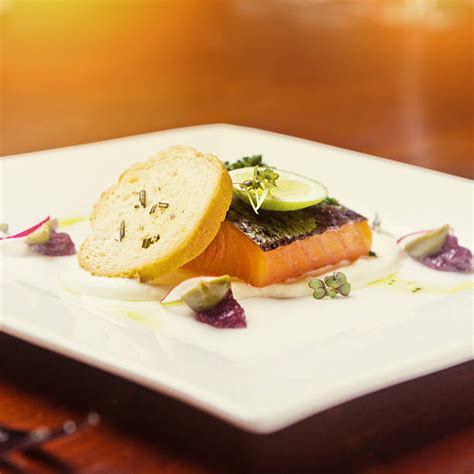
As for the food itself, authentic dishes often prioritize flavor and substance over elaborate, ‘Instagrammable’ plating. While beautiful food is always appreciated, a dish that looks overly styled or generic might be a sign it’s designed more for visual appeal to tourists than for traditional taste. Look for rustic charm, generous portions, and food that truly looks homemade.
Conclusion: Trust Your Eyes, Taste Your Way
By honing your visual observational skills, you can significantly enhance your chances of discovering incredible, authentic local eats and expertly sidestep those disappointing tourist traps. From the faces in the crowd to the language on the menu, and the vibe of the room, every detail tells a story.
So, the next time you embark on a culinary adventure, remember these visual hacks. Trust your gut instinct, let your eyes guide you, and prepare to unlock the true flavors of your destination. Happy eating!