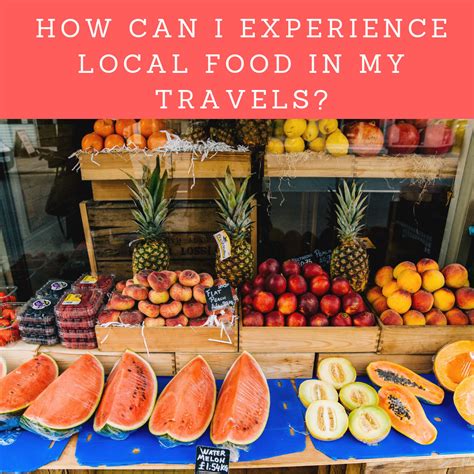
Visual hacks: How do real foodies find truly authentic local eats?

The Quest for True Local Flavor
In an age dominated by Instagrammable meals and globalized menus, the pursuit of truly authentic local food has become a badge of honor for seasoned foodies. It’s not just about eating; it’s about experiencing the culture, the history, and the very soul of a place through its cuisine. But how do you cut through the tourist traps and find those hidden gems where locals truly eat? The secret lies in a series of visual hacks – subtle observations that guide the discerning palate to genuine culinary experiences.
Forget the glossy brochures and top-ten lists aimed at tourists. Real food adventurers develop a keen eye for visual cues that whisper, rather than shout, about authenticity. This article delves into the art of visual deduction, offering actionable insights for your next culinary expedition.
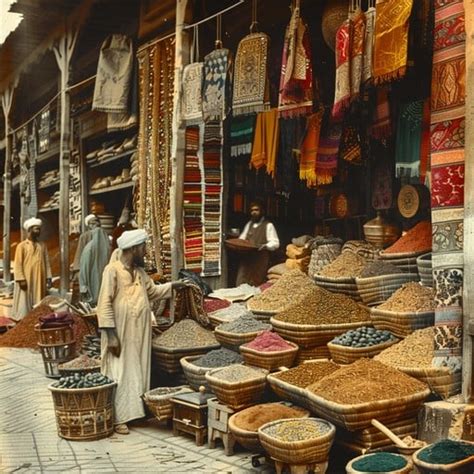
Beyond the Guidebook: Reading the Street Signs
The first step in this visual quest begins outside the eatery. Observe the clientele. Are there more locals than tourists? A restaurant packed with residents during lunch or dinner hours is a strong indicator of quality and authenticity. Look for multi-generational families, tradespeople on their break, or groups of friends conversing animatedly in the local tongue. A lack of English menus (or a single, well-worn local language menu alongside a pristine English one) can also be a good sign.
Pay attention to the general ambiance of the area. Is it a vibrant, lived-in neighborhood, or a sterile, purpose-built tourist zone? Authentic eateries often thrive in less polished surroundings, sometimes tucked away on unassuming side streets or bustling market lanes.
The “Look-See” Method: What to Observe Outside and In
Once you’ve identified a potential spot, a deeper visual inspection is needed. What does the exterior tell you? A worn facade, a modest sign, or even a handwritten daily special board can suggest a long-standing establishment focused on food, not just aesthetics. Conversely, overly elaborate, modern, or aggressively ‘themed’ exteriors might signal a tourist-centric approach.
Inside, the visual cues continue. Are the tables clean but not overly fancy? Is the decor functional rather than ostentatious? Look at the kitchen if it’s visible. A busy, clean, but not necessarily sparkling, open kitchen where chefs are clearly focused on preparing dishes from scratch is a positive indicator. The presence of unique local ingredients on display, or a chef personally overseeing the preparation, can also be telling.

Decoding the Menu and Plate Presentation
The menu itself offers a wealth of visual information. A short, focused menu, perhaps changing daily or seasonally, often points to freshness and specialization. Restaurants trying to cater to everyone with an encyclopedic menu might be compromising on quality. Look for dishes with specific regional names or ingredients that sound distinctly local, rather than generic international fare.
When plates emerge from the kitchen, observe their presentation. Authentic local food is often hearty, unpretentious, and designed for flavor and sustenance, not just visual drama. While beautifully plated food is enjoyable, an overly stylized or ‘gourmet’ presentation in a supposed local eatery might be a red flag. Pay attention to the colors, textures, and portions – do they look genuinely homemade and traditional?
The Engagement Factor: Observing Local Habits
Beyond the static elements, observe the dynamic interactions within the establishment. How do the servers interact with local patrons? Is there a sense of familiarity and genuine hospitality? Watch how locals eat their food – do they share dishes, use specific utensils, or follow a particular ritual? Mimicking these visual cues can not only enhance your experience but also show respect for local customs.

Even the condiments and table settings can tell a story. Are there unique local sauces, spices, or types of bread that differ from standard offerings? These small, visual details contribute to the overall tapestry of an authentic dining experience. The way a local might add a specific chili paste, squeeze a lime, or wrap their food in a particular leaf is a visual lesson in itself.
Conclusion: Trust Your Eyes, Then Your Taste Buds
Unearthing truly authentic local eats is an adventure that begins long before the first bite. It’s an exercise in observation, deduction, and an appreciation for the subtle nuances of local culture. By honing your visual hacks – from analyzing crowds and menus to observing the rhythm of the dining room – you empower yourself to move beyond the well-trodden tourist paths. So next time you’re exploring a new destination, put on your visual detective hat. Let your eyes guide you, and your taste buds will surely follow, leading you to an unforgettable and genuine culinary journey.