Visual hacks: How to make delicious meals from common leftover whole foods?

Unlock Your Leftover Potential
In a world increasingly focused on sustainability and mindful eating, food waste has become a significant concern. Often, our refrigerators hold a treasure trove of perfectly good, albeit unexciting, whole food leftovers – a solitary cooked chicken breast, a handful of roasted vegetables, or a bowl of grains. The challenge isn’t the quality of the food, but our perception of it. This article will equip you with ‘visual hacks’ to reimagine these humble ingredients into delicious, eye-catching meals that feel entirely new.
The secret lies not just in combining ingredients, but in how you present them. With a few creative techniques, you can elevate the simplest leftovers into dishes worthy of a restaurant menu, making healthy and sustainable eating both easy and enjoyable.

The Art of Transformation: Visual Principles
Before diving into specific recipes, let’s understand the core visual principles that can make any leftover meal shine. Think about what makes fresh, restaurant food appealing: vibrant colors, varied textures, and thoughtful arrangement. You can apply these same concepts to your fridge finds.
- Color Contrast: Add a splash of color with fresh herbs, a slice of avocado, or a sprinkle of paprika to break up monochromatic dishes.
- Textural Variety: Combine soft elements with crunchy ones. For instance, top a creamy soup with toasted nuts or add croutons to a grain bowl.
- Layering: Instead of mixing everything, try layering ingredients in a bowl or plate. This adds depth and makes the dish more inviting.
- Garnishes: A simple garnish like a lemon wedge, a sprig of parsley, or a drizzle of a contrasting sauce can make all the difference.

Common Whole Foods, New Adventures
Roasted Vegetables
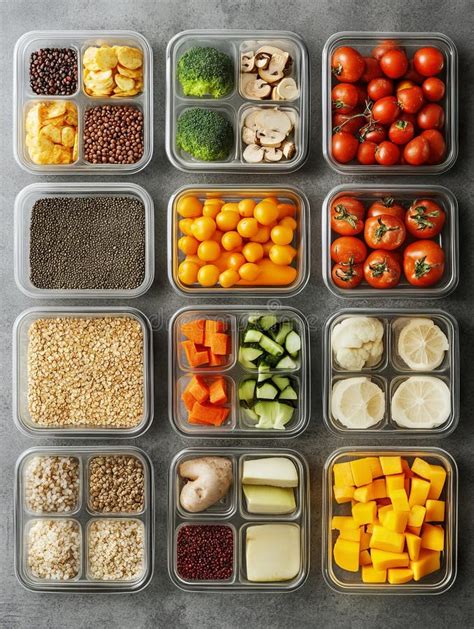
Leftover roasted broccoli, carrots, potatoes, or sweet potatoes are incredibly versatile. Don’t just reheat them!
- Frittata or Omelet: Chop them up and fold into eggs for a quick, hearty breakfast or light dinner.
- Warm Salad: Combine with fresh greens, a protein (like leftover chicken), and a simple vinaigrette.
- Stir-Fry Base: Add to a wok with some fresh veggies, a protein, and a soy-ginger sauce for a quick stir-fry.
- Puréed Soup: Blend with some broth and a touch of cream for a comforting, easy soup.
Grains
Cooked quinoa, rice, farro, or couscous can be the foundation of many new meals.
- Grain Bowls: Top with leftover protein, roasted veggies, a fried egg, and a delicious sauce (tahini, pesto, or a simple dressing).
- Fried Rice: Combine with scrambled egg, peas, carrots, soy sauce, and any leftover cooked meat or tofu.
- Stuffed Peppers/Tomatoes: Mix with some ground meat or beans, herbs, and bake until tender.
- Veggie Burgers: Mash cooked grains with beans, spices, and an egg (or flax egg) to form patties.

Cooked Proteins
Whether it’s chicken, beef, fish, or even lentils and beans, cooked proteins can take on a new life.
- Tacos or Wraps: Shred or slice leftover meat, warm it up, and serve in tortillas with fresh salsa, avocado, and sour cream.
- Curries or Stews: Dice cooked protein and add to a simmering curry or stew base with vegetables.
- Casseroles: Layer with vegetables, a creamy sauce, and a crispy topping for a comforting meal.
- Sandwiches or Salads: Simple and effective. Elevate with gourmet bread, fresh greens, and a flavorful dressing.
Presentation Hacks for a Gourmet Touch
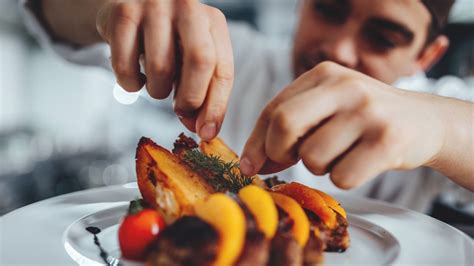
Once you’ve transformed your ingredients, how you plate them is crucial. A little effort here goes a long way in making the meal feel special.
- Fresh Herbs: A sprinkle of chopped parsley, cilantro, or chives instantly brightens a dish and adds aroma.
- Drizzles and Swirls: A strategic drizzle of pesto, balsamic glaze, tahini, or hot sauce can add flavor and visual appeal.
- Crunchy Toppings: Toasted nuts, seeds, croutons, or crispy fried onions provide satisfying texture.
- Artful Plating: Arrange elements intentionally. Consider mounds, lines, or circles rather than a haphazard pile. Use a spoon to create a ‘swish’ with sauces.
- Serve in Nice Bowls/Plates: Sometimes, simply using a beautiful bowl or plate can make the meal feel more elevated.

Beyond the Plate: A Mindset Shift
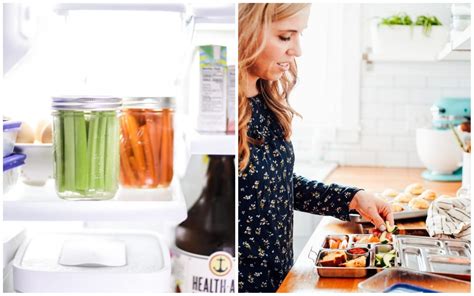
Repurposing leftovers is more than just a culinary trick; it’s a sustainable practice that fosters creativity in the kitchen. By looking at what’s already available with fresh eyes, you not only reduce food waste but also save money and time.
Embrace experimentation. Don’t be afraid to mix and match flavors and textures. The best ‘visual hacks’ often come from spontaneous decisions and a willingness to try something new with familiar ingredients. Your refrigerator isn’t just a storage unit; it’s a pantry of possibilities waiting to be artfully transformed.