Visual hacks: How to make healthy meals crave-worthy for your feed?

In an age dominated by visual storytelling, especially on social media, the mantra “we eat with our eyes” has never been more relevant. While healthy meals are celebrated for their nutritional benefits, they often get a bad rap for not being as ‘sexy’ or ‘crave-worthy’ as their less wholesome counterparts. But what if you could transform your nourishing dishes into delectable works of art that stop scrolls and inspire healthier choices? It’s all about mastering a few visual hacks.
The Power of Fresh, Vibrant Ingredients
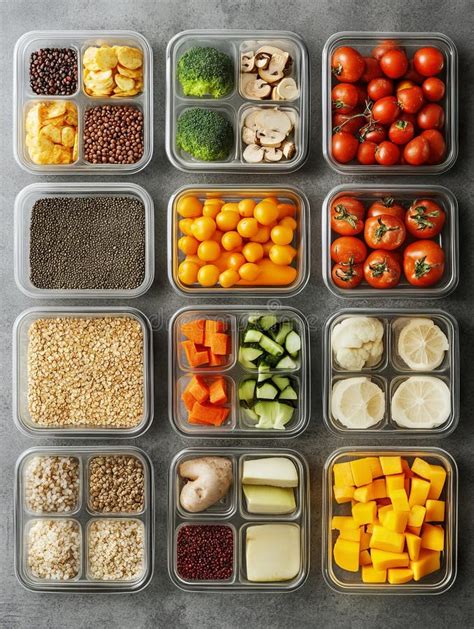
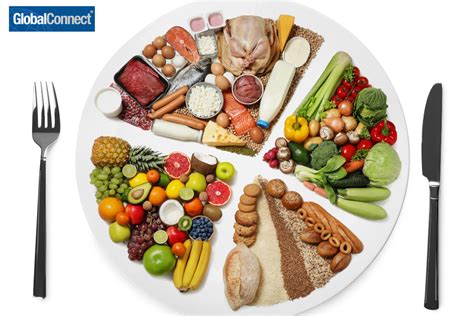
The journey to a visually stunning healthy meal begins long before it hits the plate: in your grocery basket. Opt for ingredients that boast natural, vibrant colors. Think deep green spinach, ruby red berries, bright orange carrots, and purple cabbage. A meal rich in diverse colors not only signals a wide array of nutrients but also creates an immediately appealing palette.
Don’t be afraid to mix and match. A monochromatic meal, while sometimes chic, can often appear less dynamic. Embrace contrast and let the natural beauty of fresh produce shine through.
Mastering the Art of Plating
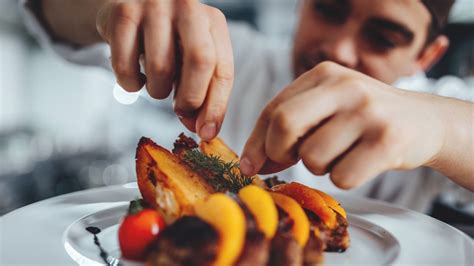
Plating isn’t just for Michelin-star chefs; it’s a fundamental step in making any meal Instagram-ready. Think about arrangement, negative space, and height. Instead of simply dumping food onto a plate, take a moment to arrange components deliberately.
Use the ‘rule of odds’ by serving an odd number of items (e.g., three asparagus spears) or arranging main components in groups of three. Create height by layering ingredients – a bed of quinoa topped with roasted vegetables, finished with a protein and a sprinkle of herbs. Leave some empty space on the plate; a cluttered plate looks less elegant and can overwhelm the viewer.
Illumination: The Golden Rule of Food Photography
You can have the most beautifully plated meal, but without good lighting, it will fall flat. Natural light is your best friend. Position your plate near a window, ideally with indirect light to avoid harsh shadows. Overcast days offer the best diffused light, but if the sun is bright, use a sheer curtain or diffuser to soften it.
Avoid overhead kitchen lights or direct flash, which can flatten the image, cast unattractive yellow tones, and create distracting hotspots. If natural light isn’t available, invest in a simple ring light or softbox.

The Magic of Garnish and Texture
Garnish is not just an afterthought; it’s the flourish that elevates a good-looking meal to a great one. A sprinkle of fresh herbs (parsley, cilantro, mint), a pinch of chili flakes, a scattering of sesame seeds, or a drizzle of a contrasting sauce (like a vibrant pesto or a creamy tahini) can add visual interest and texture.
Think about the interplay of textures. A creamy soup benefits from crunchy croutons or toasted nuts. A fresh salad can be enhanced with crispy roasted chickpeas or crumbled feta. These small additions provide depth and make the dish feel more complex and inviting.
Strategic Props and Backgrounds
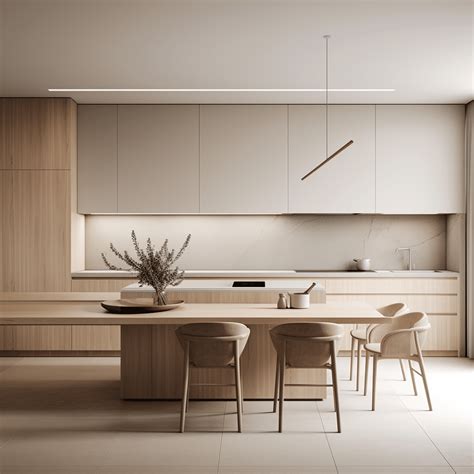
The background and surrounding props play a crucial supporting role. Choose simple, clean backgrounds that won’t distract from your food. A rustic wooden table, a plain white or grey surface, or a textured linen napkin can provide a beautiful stage.
Incorporate props sparingly and intentionally. A complementary utensil, a small bowl of an ingredient used in the dish, or a neatly folded napkin can add context and warmth without overshadowing the star of the show. Remember, less is often more when it comes to props.
Angles and Composition for Maximum Impact
Experiment with different angles. An overhead “flat lay” shot works wonderfully for bowls, salads, and dishes with many components. A 45-degree angle (eye-level) is great for showcasing height and depth, like stacked pancakes or a tall burger. Close-up shots can highlight texture and intricate details.
Apply compositional principles like the ‘rule of thirds,’ where you imagine your frame divided into nine equal sections and place your main subject along the lines or at their intersections. This creates a more dynamic and engaging image than simply centering everything.

The Final Polish: Smart Editing
Even the best raw photos can benefit from a little post-processing. Use editing apps (like Snapseed, Lightroom Mobile, or even your phone’s built-in editor) to make subtle adjustments. Focus on enhancing, not over-processing. A slight bump in brightness, contrast, and perhaps a touch of saturation can make colors pop and the food look fresher.
Correcting white balance can ensure that your whites are truly white and colors are accurate. Avoid heavy filters that can make food look artificial. The goal is to enhance the natural appeal, making your healthy creation look as delicious as it tastes.
Conclusion: Eating with Your Eyes, Feeding Your Soul
Transforming healthy meals into crave-worthy content for your feed is more than just vanity; it’s a powerful tool for promoting healthier eating habits. When food looks good, it becomes more desirable, encouraging you and others to embrace nutritious choices with enthusiasm. By employing these visual hacks, you’re not just creating pretty pictures; you’re cultivating a more mindful and enjoyable relationship with healthy food, one beautiful bite at a time.