Visual plating hacks for stunning real food photos & delicious eats?
In the age of social media, a dish isn’t truly enjoyed until it’s photographed – but long before Instagram, chefs understood the profound impact of visual appeal. Plating isn’t just about making food pretty; it’s about telling a story, enhancing the dining experience, and even making your dishes taste better (or at least, making them *look* like they taste better!).
The Power of Presentation: Why Plating Matters
Think of plating as the final flourish on your culinary masterpiece. A well-plated dish stimulates the senses even before the first bite, setting expectations and building anticipation. It can highlight textures, showcase colors, and even guide the diner’s eye to the star ingredients. For home cooks, mastering a few simple plating hacks can elevate everyday meals into restaurant-worthy experiences, making your food truly unforgettable, whether for a dinner party or just a personal culinary triumph shared online.
Foundations of Stunning Plating: The Basics
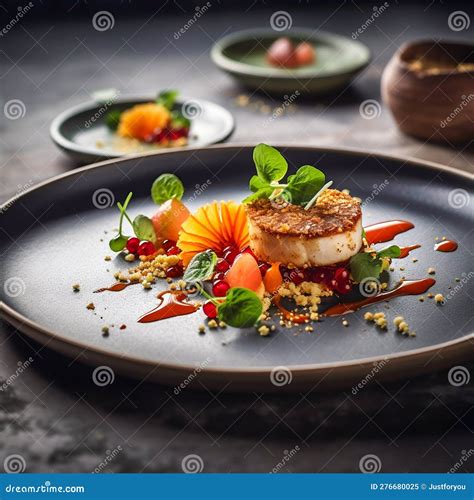
Even without formal culinary training, you can apply professional plating principles. Start with the ‘Rule of Thirds,’ imagining your plate divided into a tic-tac-toe grid. Place key elements at the intersections or along the lines for visual balance. Another trick is to use ‘Odd Numbers’ – arranging ingredients in groups of three, five, or seven often looks more natural and appealing than even numbers.
Every plate needs a ‘Focal Point’ – the star of your dish. This could be a perfectly seared scallop, a vibrant piece of roasted chicken, or a meticulously stacked vegetable tower. Build your other elements around this focal point, using it to draw the diner’s eye.
Color, Contrast, and Texture Play
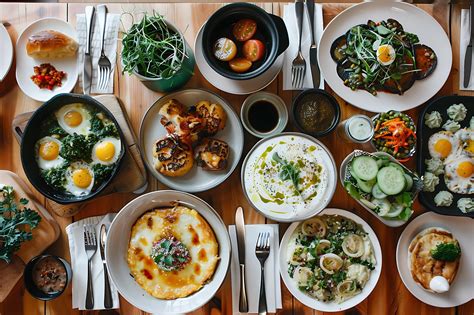
Our eyes are drawn to color, so don’t be afraid to use a vibrant palette. Think about complementary colors (like red tomatoes against green basil) or contrasting ones to make elements pop. A monochromatic dish can be elegant, but varying shades and textures become crucial here.
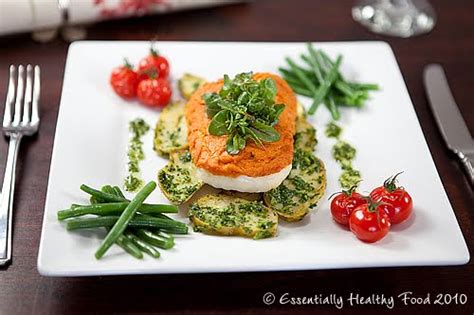
Texture adds depth and interest. Combine crunchy elements with soft ones, creamy sauces with crispy garnishes. And don’t forget height! Stacking components (think a piece of fish on a bed of quinoa, topped with microgreens) adds a three-dimensional quality that’s visually engaging and very photogenic.

Mastering the Details: Garnishes and Sauces
Garnishes are more than just an afterthought; they’re the jewelry of your dish. Fresh herbs (parsley, cilantro, dill), citrus zest, a sprinkle of toasted nuts, or edible flowers can add color, flavor, and texture. Always choose garnishes that complement, rather than overpower, the main ingredients.
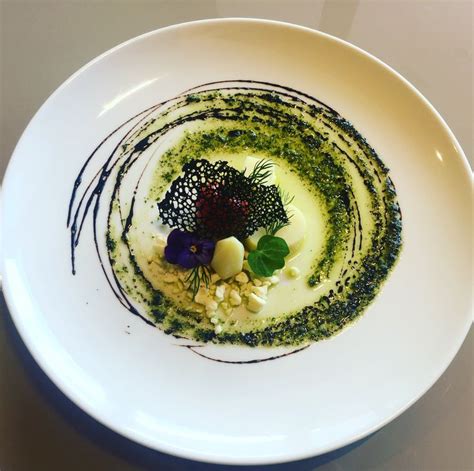
Sauces can be painted onto the plate with a spoon or squeezed strategically from a squeeze bottle. A swipe of purée, a drizzle of reduction, or a few artful dots can elevate a simple dish to gourmet status. Ensure your sauce consistency is just right – not too thick, not too runny – for clean, impactful lines or shapes.
Choose Your Canvas Wisely
The plate itself is your canvas. White or neutral-colored plates allow your food to stand out, but don’t shy away from experimenting with different shapes (square, rectangular, oval) or even textured plates. Consider the size of your plate; too large, and your portion might look sparse; too small, and it will appear overcrowded. Always ensure your plate is spotlessly clean – no drips, smudges, or fingerprints.
For photography, also think about your background. A simple, uncluttered background (a wooden table, a plain linen napkin) will keep the focus on your beautifully plated food. Natural light is always your best friend for capturing delicious-looking photos.
Mastering visual plating is a journey of creativity and practice. Don’t be afraid to experiment, play with your food, and find what works best for each dish. With these hacks, you’ll be creating stunning, delicious-looking meals that are sure to impress both the camera and the palate!