Visual plating hacks: How do you make simple dishes look gourmet for photos?
The Art of Visual Appeal: Why Plating Matters
In the age of social media, a delicious meal isn’t just about taste; it’s about the visual story it tells. Elevating a simple dish to look gourmet for photos doesn’t require culinary school; it just needs a few clever plating hacks. Mastering the art of presentation can make your everyday cooking shine and captivate your audience, proving that we eat first with our eyes.
Start with the Right Canvas: Plate Selection and Cleanliness
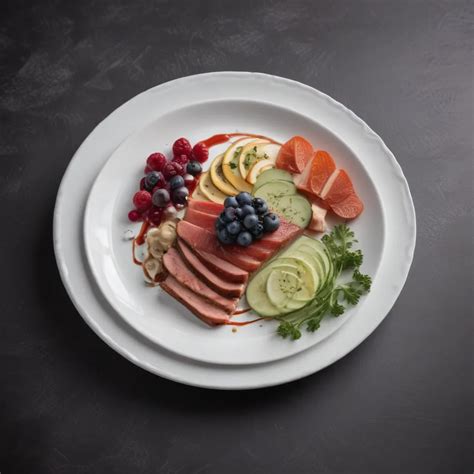
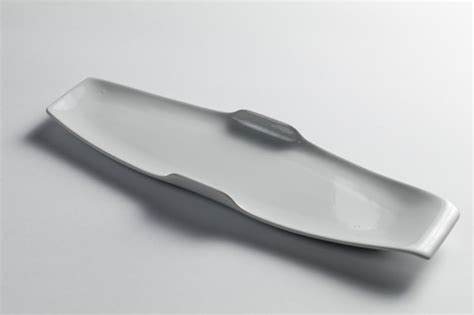
Your plate is the stage for your culinary creation. Opt for simple, neutral-colored plates (white, grey, or black) to make your food pop. Avoid busy patterns that distract. Before serving, ensure your plate is spotlessly clean – a quick wipe with a damp cloth can remove any smudges or drips. A clean rim makes a world of difference.
Embrace Color and Texture for Dynamic Presentation
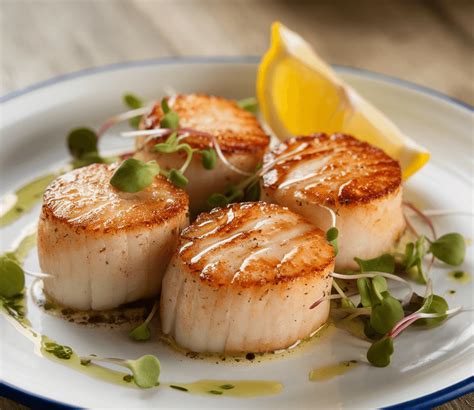
A gourmet dish is a feast for the eyes, often achieved through contrasting colors and varied textures. Think beyond just the main components. Add a vibrant green herb, a splash of crimson sauce, or a sprinkle of toasted nuts for crunch. These elements not only add flavor but also create visual interest and depth, making the dish feel more complex and luxurious.
Build Up: Height and Focus Points
Flat food can look uninspired. Introduce height to your dish by strategically stacking components. For instance, layer roasted vegetables, place proteins on a bed of puree, or create a tower with grains and toppings. Aim for an odd number of main elements (e.g., three asparagus spears instead of two). Create a clear focal point – the hero of your dish – and arrange other elements to draw the eye towards it.

Garnish Like a Pro: The Devil is in the Details
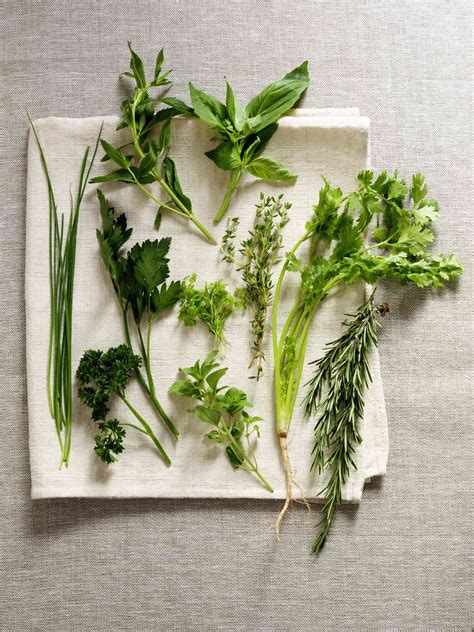
Garnishes are your secret weapon for gourmet appeal. A sprinkle of fresh microgreens, a sprig of rosemary, a few edible flowers, or a dusting of smoked paprika can transform a dish. For sauces, get creative: use a squeeze bottle to create elegant swirls, dots, or clean lines across the plate. A small dollop of crème fraîche or a drizzle of balsamic glaze can also add a professional touch.
Master Negative Space and Composition
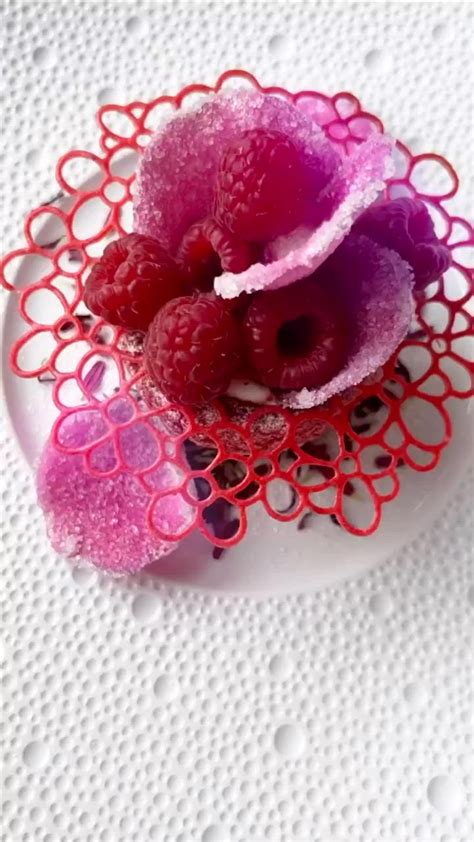
Don’t overcrowd your plate. Negative space, or the empty areas on the plate, is crucial for an elegant presentation. It allows each component to breathe and highlights the artistry of your arrangement. Think about the ‘rule of thirds’ from photography – place your focal point slightly off-center for a more dynamic and pleasing composition. Aim for balance, not symmetry.
Lighting and Angle: The Finishing Touches
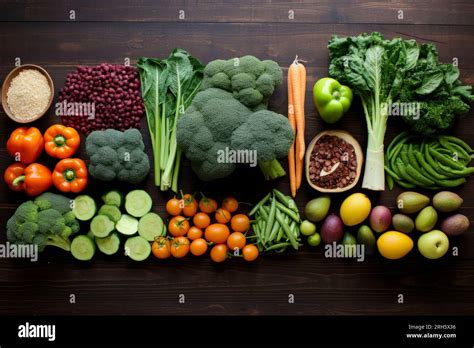
While plating is paramount, good lighting is what brings it all to life. Natural light, especially from a window, is usually best. Avoid harsh overhead lights. Experiment with different angles – an overhead shot can highlight patterns, while a slightly elevated eye-level shot can emphasize height and texture. A shallow depth of field, blurring the background, can make your gourmet plating stand out even more.

Practice Makes Perfect
Transforming simple dishes into photogenic gourmet masterpieces is a skill that develops with practice. Don’t be afraid to experiment, observe how chefs plate dishes in restaurants or online, and most importantly, have fun with it. With these visual plating hacks, your simple home-cooked meals will be ready for their close-up, impressing everyone who sees them.