Visual plating hacks to make simple dishes gourmet?
Ever wondered why a dish tastes better at a fancy restaurant, even if the ingredients are similar to what you use at home? Often, it’s not just about the cooking; it’s about the presentation. Plating food like a pro can elevate even the simplest dishes from humble to gourmet, appealing to the eyes before it even reaches the palate. This guide will reveal accessible visual plating hacks that anyone can master to make their home-cooked meals truly shine.
The Psychology of Plating
Our perception of food is heavily influenced by how it looks. A visually appealing dish signals freshness, care, and quality, making us anticipate a more delicious experience. Conversely, a poorly plated dish can detract from even the most perfectly cooked meal. Understanding this psychological connection is the first step to becoming a plating wizard.
Fundamental Plating Principles for Home Cooks
1. Focus on Color and Contrast
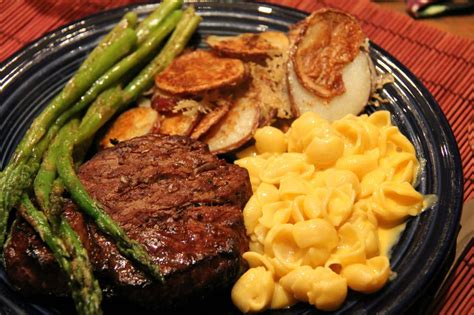
Variety in color instantly makes a plate more engaging. Think beyond the main ingredient and incorporate vibrant vegetables, fresh herbs, or colorful sauces. Aim for contrast – light against dark, bright against muted – to make elements pop. For instance, a sprinkle of fresh green chives against a creamy potato puree, or bright red cherry tomatoes alongside a grilled chicken breast, creates visual interest.
2. Play with Texture
Just as varying textures are important in the mouthfeel, they are crucial for visual appeal. A dish featuring only soft elements can look monotonous. Introduce contrasting textures like a crunchy crouton on a smooth soup, crispy fried onions on a casserole, or toasted nuts on a salad to add depth and excitement.

3. Build Height and Dimension
Flat food is boring food. Creating height gives a dish a professional, architectural quality. Stack ingredients (like layering vegetables and protein), lean elements against each other, or use a mold to shape a side dish. Even a simple pile of roasted vegetables can look more sophisticated when stacked rather than spread out.
4. Embrace Negative Space
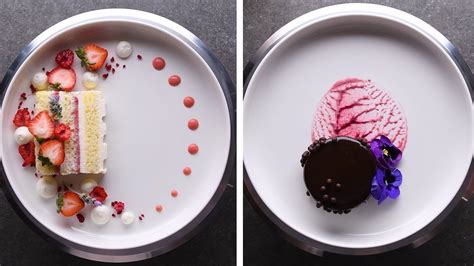
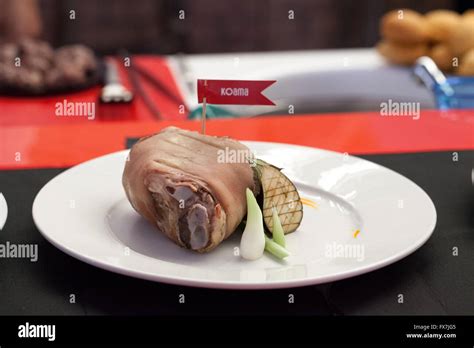
It’s tempting to fill every inch of a plate, but restraint is key. Negative space, or the empty areas on a plate, is as important as the food itself. It allows the eyes to rest and draws attention to the main components of the dish. Don’t overcrowd; let your food breathe.
Practical Hacks to Elevate Your Plates
1. The Clean Canvas
Always start with a clean plate. Wipe away any smudges, drips, or stray crumbs before serving. A pristine border makes all the difference.
2. Sauces as Art
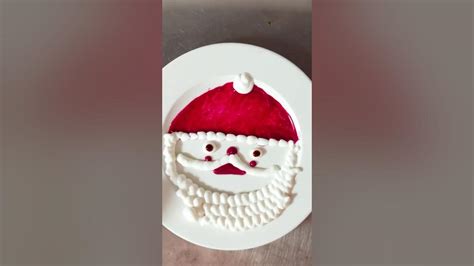
Sauces aren’t just for flavor; they’re for painting! Use the back of a spoon to create elegant swooshes or smears across the plate. For more precision, use a squeeze bottle to make dots or intricate patterns. A drizzle of balsamic glaze or a swirl of herb oil can transform a simple presentation.
3. The Odd Number Rule and Asymmetry
When arranging components, odd numbers (3 or 5) tend to look more natural and aesthetically pleasing than even numbers. Also, avoid perfect symmetry. Asymmetrical arrangements often feel more dynamic and artistic, guiding the eye across the plate.
4. Garnish with Purpose
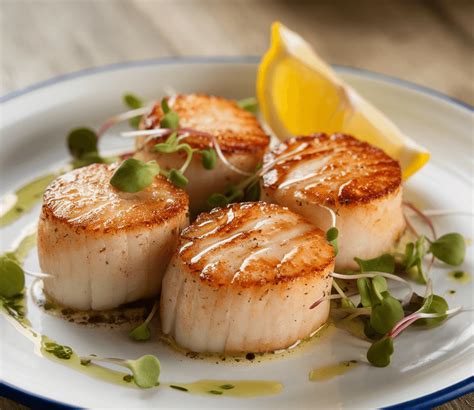
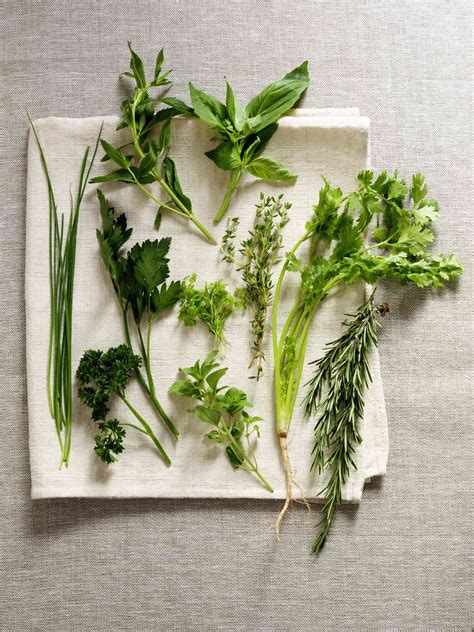
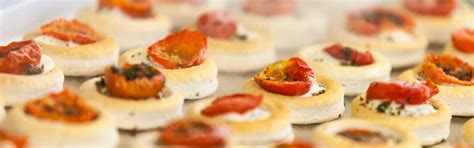
Garnish isn’t an afterthought; it’s the finishing touch. A sprig of fresh herbs, a sprinkle of microgreens, edible flowers, a wedge of citrus, or a light dusting of paprika can add a burst of color and freshness. Ensure your garnish is edible and complements the dish’s flavors.
5. Use Tools Wisely
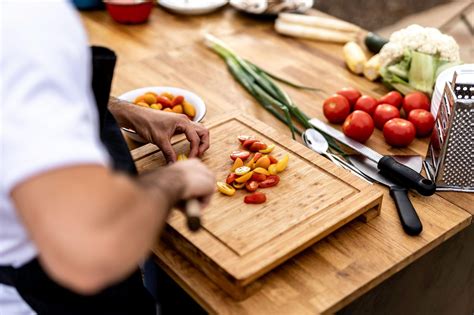
You don’t need fancy restaurant tools. A simple ring mold (even a tuna can with both ends removed!), a squeeze bottle, or even just your hands can help you shape and place food precisely. Tweezers can be surprisingly useful for delicate placements.
Bringing it All Together
Practice makes perfect. Start by applying one or two of these techniques to your next meal. Plate a simple pasta dish by forming a neat swirl, adding a sprinkle of Parmesan, and topping with a fresh basil leaf. Turn a regular salad into a gourmet experience by arranging ingredients rather than tossing them, creating layers of color and texture. Even a humble roasted chicken can look extraordinary when carved neatly, served with a artfully swiped sauce, and garnished with fresh rosemary.
Visual plating is an accessible art form that can dramatically enhance your home cooking. By paying attention to color, texture, height, and purposeful garnishes, and by embracing the power of negative space and clean lines, you can transform simple dishes into gourmet masterpieces that delight both the eyes and the palate. So go ahead, get creative, and start plating like a pro!