Visual plating secrets: Make everyday recipes photo-ready for foodie feeds?
Elevate Your Everyday Meals to Instagram-Worthy Art
In the age of social media, our plates aren’t just for eating anymore; they’re canvases waiting to be captured and shared. While restaurant chefs meticulously craft stunning presentations, you don’t need a culinary degree to make your everyday homemade meals look equally appealing. With a few simple visual plating secrets, you can transform a humble weeknight dinner into a feast for the eyes, ready for its close-up on any foodie feed.
The secret lies in understanding a few fundamental principles: color, texture, height, and strategic garnish. Let’s dive into how you can apply these to your kitchen creations.
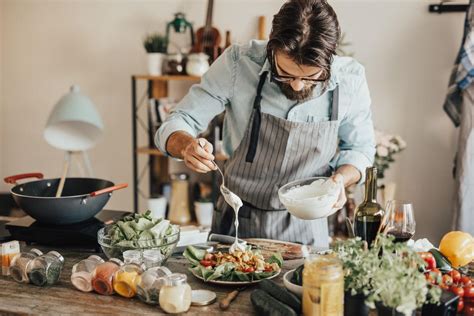
The Power of Color and Contrast
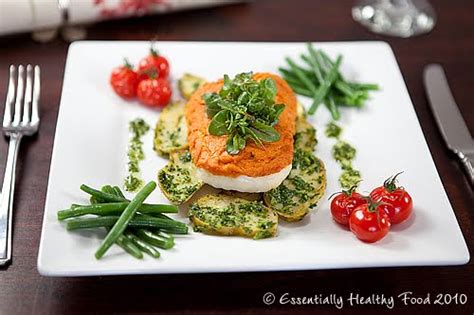
Think about your plate as a painter’s palette. A monochromatic dish, while potentially delicious, often lacks visual interest. Introduce contrasting colors to make your food pop. If your main dish is brown (like a stew or roasted meat), add vibrant greens (fresh herbs, blanched asparagus), bright reds (cherry tomatoes, roasted bell peppers), or sunny yellows (lemon zest, corn).
Don’t just think about the main ingredients; consider your sauces and garnishes as opportunities for color. A drizzle of pesto over pasta, a sprinkle of paprika on eggs, or a scattering of pomegranate seeds on a salad can instantly brighten a dish and make it more inviting.
Texture is Key to Visual Appeal
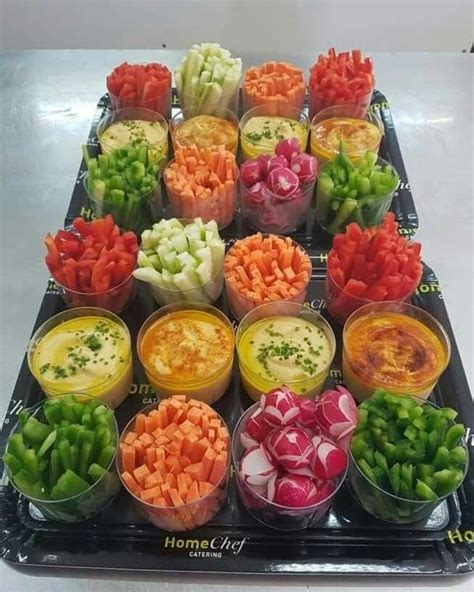
Beyond color, texture adds another layer of visual and sensory delight. A plate full of soft foods can look bland and unappetizing. Strive for a variety of textures within a single dish.
- Crisp elements: Toasted nuts, croutons, fried onions, crispy bacon bits, fresh raw vegetables.
- Creamy elements: Sauces, purées, dollops of yogurt or sour cream.
- Soft elements: Cooked meats, pasta, potatoes.
- Crunchy elements: Seeds, grilled vegetables, flaky pastry.
A simple sprinkle of toasted sesame seeds on a stir-fry, a handful of crunchy croutons on soup, or a few slivers of fresh radish on tacos can elevate both the look and feel of your meal.
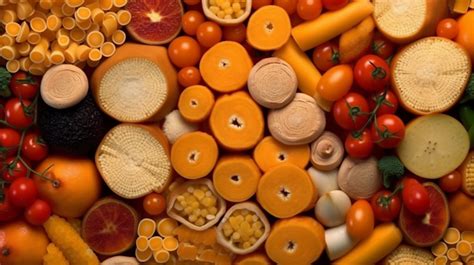
Building Height and Dimension
Flat plates often look less exciting. Adding height and dimension can make your dish appear more dynamic and professional. Instead of spreading ingredients out, try stacking them or arranging them strategically.
Consider:
- Stacking: For items like pancakes, burgers, or even roasted vegetables, stacking them neatly creates an appealing vertical presentation.
- Molding: Use a chef’s ring or a measuring cup to mold rice, quinoa, or mashed potatoes into a neat cylinder.
- Lean and support: Lean items against each other. For example, grilled asparagus spears propped against a steak, or tortilla chips standing upright in a bowl of salsa.
Remember not to over-stack, as this can make the dish look unwieldy. Aim for elegant elevation rather than a precarious tower.
The Art of Garnishing
Garnishes are not just pretty additions; they can enhance flavor and provide that crucial finishing touch. A well-chosen garnish adds freshness, color, and often an extra layer of flavor or aroma.
- Fresh Herbs: A sprig of parsley, cilantro, dill, or basil can instantly brighten a dish. Chop them finely for a sprinkle, or use whole leaves for a more rustic look.
- Citrus Zest/Wedges: A squeeze of lemon or lime brightens flavors and adds a pop of color.
- Spices: A light dusting of smoked paprika, chili flakes, or freshly ground black pepper can add visual depth.
- Edible Flowers: For a truly elegant touch, edible flowers like nasturtiums or pansies can be stunning.
- Seeds/Nuts: Toasted sesame seeds, poppy seeds, chopped nuts, or even pumpkin seeds add texture and visual interest.
Always garnish with purpose. Does it make the dish look better? Does it add to the flavor profile? Less is often more when it comes to garnishing.
Cleanliness and Plate Choice
Finally, remember the importance of a clean plate. Wipe away any drips, smudges, or accidental splatters around the rim of your plate before serving. A clean plate provides a professional backdrop for your culinary masterpiece.
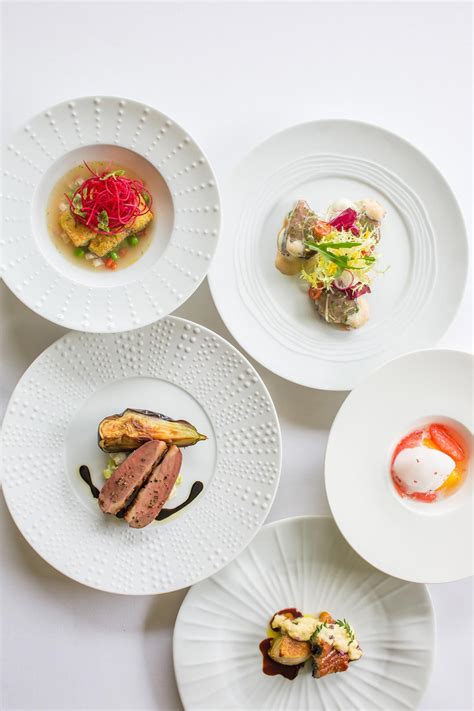
Choose your plates wisely. White plates are often preferred as they allow the food’s colors to stand out. However, don’t shy away from textured or colored plates if they complement your dish. Experiment with different shapes and sizes to see what best showcases your food.
Practice Makes Perfect
Mastering visual plating is a skill that develops with practice. Don’t be afraid to experiment! Start by applying one or two of these tips to your next meal. Soon, you’ll find yourself intuitively knowing how to make every dish photo-ready, transforming your everyday cooking into a delightful visual experience for both yourself and your foodie followers.