Visual plating secrets to make everyday dishes foodie-worthy?

Why Plating Matters: Eating with Your Eyes First
In the culinary world, it’s often said that you eat first with your eyes. While the taste and aroma of a dish are paramount, its visual appeal plays a significant role in enhancing the dining experience. Transforming an ordinary home-cooked meal into something that looks like it came straight from a gourmet restaurant isn’t as daunting as it seems. With a few simple plating secrets, you can elevate everyday dishes, making them truly foodie-worthy and exciting.
The Foundation: Cleanliness and Contrast
Before you even think about arrangement, ensure your plate is sparkling clean. Smudges, drips, or food particles on the rim can instantly detract from your efforts. A pristine canvas is crucial for a professional look. Once your plate is ready, consider the power of contrast. Think about how different colors and textures can make elements pop.
For instance, a vibrant green pesto drizzled over creamy white pasta, or crispy golden croutons sprinkled on a smooth soup, creates visual interest. Don’t be afraid to mix soft with crunchy, bright with muted, or smooth with coarse to keep the eye engaged.

Mastering the Art of Arrangement
Plating isn’t just about dumping food on a plate; it’s about thoughtful arrangement. Start by imagining your plate as a clock face. Many chefs suggest placing starches (like rice or potatoes) between 10 and 11 o’clock, vegetables between 2 and 3 o’clock, and your protein (meat, fish, or main vegetarian component) between 6 and 7 o’clock. This classic layout offers balance.
Another powerful technique is to create height. Instead of spreading everything flat, try mounding ingredients slightly, or stacking elements like slices of meat or layers of vegetables. This adds a sculptural dimension to your dish. Use a small ring mold for perfect towers of rice or salad, or simply be deliberate with how you stack components.
Color, Texture, and Garnish: Your Plating Power Tools
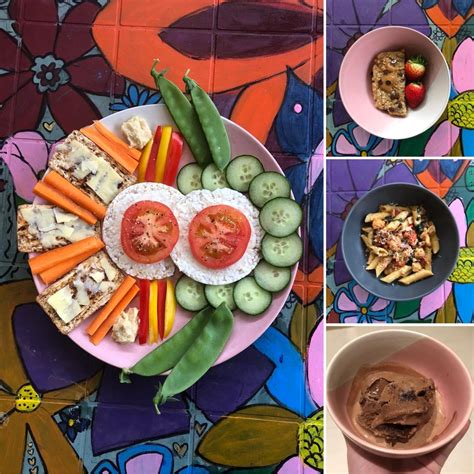
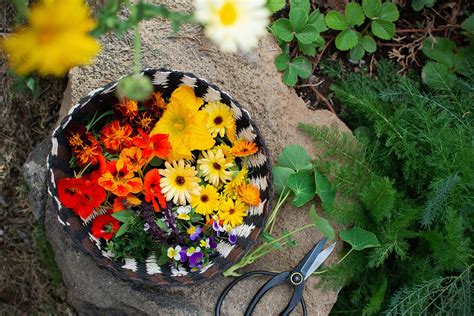
Color is arguably the most impactful visual element. Aim for a palette of at least three different colors on your plate. This could come from your main ingredients, a colorful sauce, or a simple garnish. Think about the natural vibrancy of bell peppers, fresh herbs, berries, or even edible flowers. These elements not only add beauty but often contribute to flavor and nutrition.
Texture variation is equally important. A plate with all soft or all crunchy components can be monotonous. Introduce a variety: the crispness of a fried onion, the creaminess of a purée, the tenderness of a perfectly cooked steak, and the freshness of a vibrant herb sprig. Each element contributes to a more dynamic and inviting presentation.

Sauces, Drizzles, and Negative Space
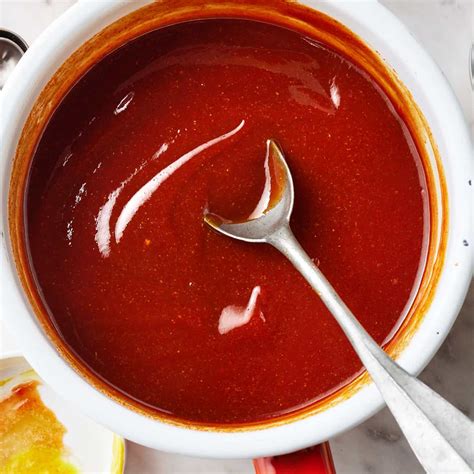
Sauces aren’t just for flavor; they’re an artistic medium. Instead of drowning your dish, use sauces strategically. A delicate drizzle across the plate, a swipe with the back of a spoon, or small dots placed around the main components can add visual flair. Invest in a squeeze bottle for precise application, or simply use the tip of a spoon for a more rustic, artistic touch.
Equally important is understanding negative space – the empty areas on your plate. Don’t feel the need to fill every inch. Strategic negative space helps draw the eye to the focal points of your dish, making it look elegant and intentional rather than cluttered. Think of your plate as a canvas where the food is the art, and the empty space frames it beautifully.
Finishing Touches: The Garnish Game
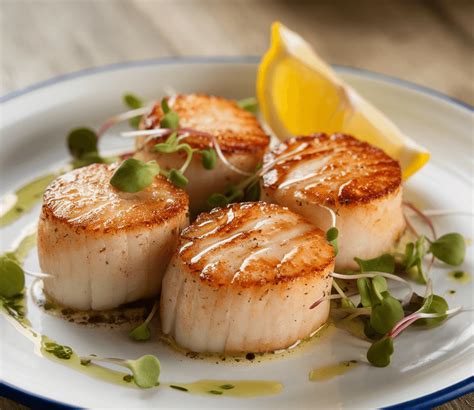
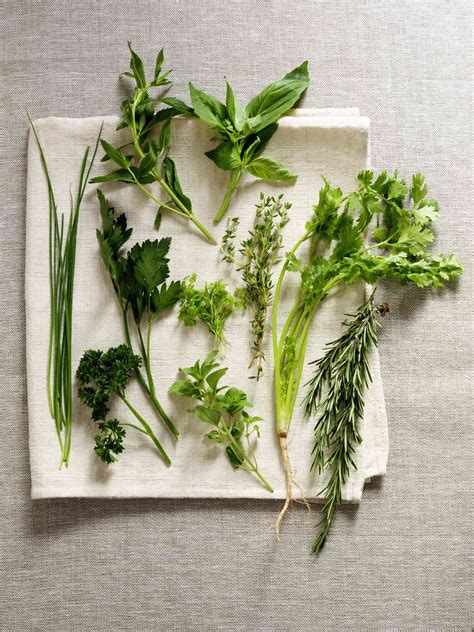
The right garnish can be the crowning glory of your dish. A sprig of fresh parsley, a few toasted sesame seeds, a lemon wedge, a sprinkle of smoked paprika, or a dusting of finely chopped chives can add that professional finish. The key is to choose garnishes that are relevant to the dish’s flavor profile and are edible. Avoid using anything purely for decoration that doesn’t enhance the experience.
Consider texture and color again here. A bright green herb against a rich brown sauce, or a crunchy sprinkle on a smooth purée, creates that last bit of contrast and visual intrigue. Keep garnishes simple and sparse; less is often more when aiming for elegance.
Conclusion: Practice Makes Perfect Plating
Transforming your everyday dishes into foodie-worthy masterpieces is an achievable goal for any home cook. By focusing on cleanliness, thoughtful arrangement, contrasting colors and textures, strategic use of sauces, and elegant garnishes, you can significantly elevate your meals. Don’t be afraid to experiment, try different layouts, and discover what works best for your creations. With a little practice, your kitchen will soon be churning out dishes that taste as incredible as they look.