Visual plating techniques to make simple dishes look gourmet for photos?

In the age of Instagram and food blogs, how a dish looks is almost as important as how it tastes. Even the simplest home-cooked meals can be elevated to gourmet status with a few thoughtful visual plating techniques, making them irresistible for photos. It’s not just about fancy ingredients; it’s about arrangement, color, texture, and presentation.
Why Plating Matters for Visual Appeal
Plating is your opportunity to tell a story with food. A well-plated dish stimulates the senses, creates anticipation, and reflects care and craftsmanship. For photography, good plating ensures your dish is the star, drawing the viewer’s eye and enticing them to want a bite. It transforms a functional meal into an experience.
Core Principles of Gourmet Plating
Color and Contrast
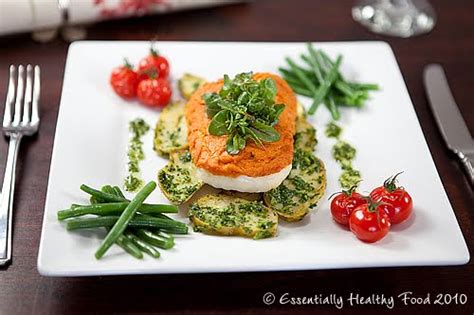
Think beyond just the main ingredients. Incorporate a variety of colors through garnishes, sauces, or complementary side elements. Contrast is key; a bright green herb against a rich brown sauce, or a vibrant red pepper next to a creamy white component, immediately makes the dish pop. Aim for 3-5 colors for visual interest without overwhelming the plate.

Texture and Height
Varying textures adds dimension and excitement. Think crispy elements, creamy purees, crunchy nuts, or soft proteins. Introducing height can dramatically change a dish’s perception. Stack ingredients, lean components against each other, or use tall garnishes to build an architectural look.
Balance and Negative Space
Don’t overcrowd the plate. Negative space (the empty parts of the plate) is crucial; it allows the eye to rest and highlights the star components. Aim for a balanced composition, often off-center or following the ‘rule of thirds,’ to create a dynamic yet harmonious look. An asymmetrical arrangement can be more engaging than a perfectly symmetrical one.

Mastering Plating Techniques
Strategic Saucing
Instead of drowning your dish, use sauces as an artistic element. A clean swipe with the back of a spoon, small dots strategically placed, or a delicate drizzle can add color, shine, and define the space on your plate. Consider contrasting sauce colors to your main ingredients.
Thoughtful Garnishing
Garnishes are more than just an afterthought. Fresh herbs like parsley, cilantro, or microgreens add color and freshness. Edible flowers offer elegance. A sprinkle of toasted nuts, seeds, or spices can provide texture and visual interest. Always ensure garnishes are relevant to the dish’s flavor profile.
Precision and Arrangement
Whether you’re arranging pasta, vegetables, or proteins, precision matters. Cut ingredients uniformly or create interesting shapes. When arranging, think about creating a focal point, often the main protein, and building around it. Layering components adds depth and intrigue.
Choosing the Right Vessel
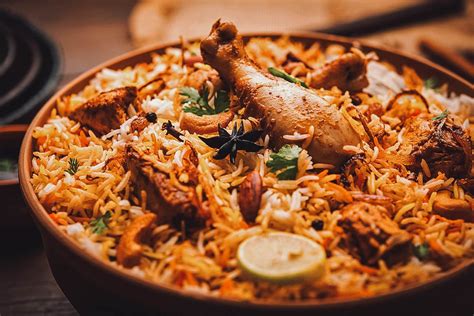
The plate itself is part of the canvas. White plates often make food colors pop, while dark plates can add dramatic contrast. Consider the shape and size; a wide-rimmed plate allows for more negative space, while a shallow bowl can be great for saucy dishes.
Final Touches for Camera-Ready Dishes
Before snapping that photo, always give your plate a quick check. Wipe any smudges or drips from the rim with a clean cloth. Ensure all ingredients look fresh and vibrant. For photography, natural light is almost always best, and experimenting with different angles (overhead, 45-degree, close-up) can yield stunning results. A shallow depth of field can blur the background, making your plated dish stand out even more.
Conclusion
Plating simple dishes to look gourmet for photos is an accessible skill that dramatically enhances your culinary presentation. By understanding and applying principles of color, texture, height, and strategic arrangement, you can transform your everyday cooking into Instagram-worthy art. Don’t be afraid to experiment, practice, and let your creativity shine through every delicious snapshot.