Visual pop: Best garnish techniques for fresh, vibrant dishes?
The Art of the First Impression: Why Garnish Matters
In the culinary world, we often eat with our eyes first. A beautifully plated dish can transform a simple meal into an experience, stimulating the appetite and setting the stage for the flavors to come. Garnishing isn’t just an afterthought; it’s a crucial component of food presentation that adds color, texture, and an inviting visual appeal, making dishes look fresh, vibrant, and utterly irresistible.
Whether you’re a home cook aiming to impress dinner guests or a professional chef striving for perfection, mastering garnish techniques is a skill that pays dividends. It’s about creating balance, contrast, and a focal point that highlights the dish’s main ingredients while adding a touch of elegance and sophistication.
Essential Garnish Elements and Techniques
Fresh Herbs: More Than Just Flavor
Herbs are perhaps the most common and versatile garnishes. A sprinkle of finely chopped parsley, cilantro, or chives can instantly brighten a dish. Consider delicate sprigs of dill on salmon, basil leaves on pasta, or rosemary on roasted vegetables. The key is freshness and proper handling to avoid bruising.
- Chiffonade: For leafy herbs like basil or mint, stack several leaves, roll them tightly, and slice thinly crosswise to create elegant ribbons.
- Rough Chop: A quick, rustic chop adds texture and a burst of color to soups, stews, and salads.
- Whole Sprigs: Use small, perfect sprigs to add height and a touch of refinement to larger plates.
Citrus Zest & Slices: A Burst of Brightness
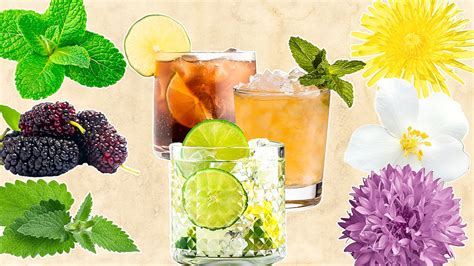
Lemons, limes, and oranges are fantastic for adding a vibrant splash of color and a refreshing aroma. Their bright acidity also complements a wide range of dishes.
- Zest: Finely grated zest provides concentrated flavor and tiny specks of color without adding moisture.
- Wedges/Slices: Perfect for fish, salads, or drinks, a wedge or half-slice adds a juicy, inviting element.
- Twists/Spirals: A thin strip of citrus peel can be twisted or coiled for a more decorative effect, especially in cocktails or desserts.
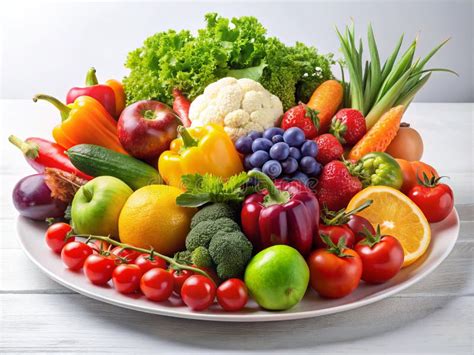
Colorful Vegetables: Texture and Crunch
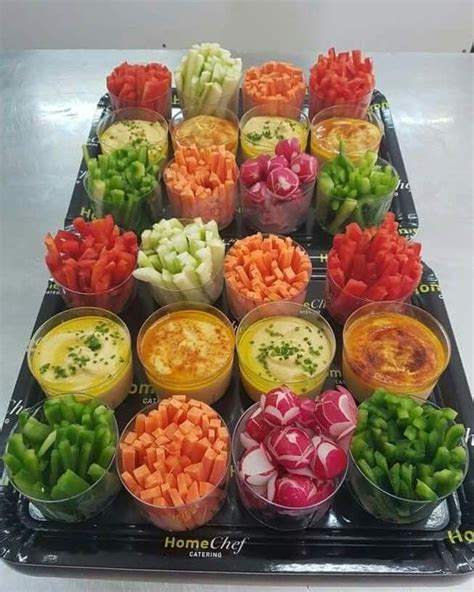
From julienned carrots to radish roses, vegetables offer endless possibilities for adding crunch, color, and intricate shapes.
- Julienne: Thin matchstick cuts of carrots, bell peppers, or cucumbers add crispness and a uniform look.
- Radish Roses/Fans: With a bit of knife skill, radishes can be transformed into beautiful floral shapes.
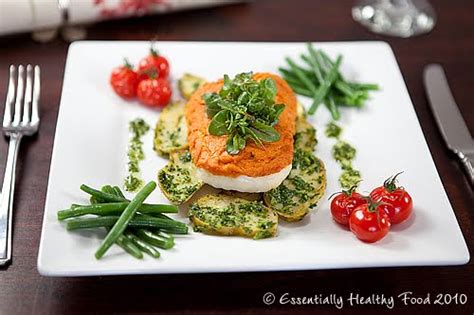
- Blanched Asparagus Tips or Green Beans: Their vibrant green hue stands out beautifully against lighter-colored dishes.

Edible Flowers: Delicate Beauty
For an elegant and whimsical touch, edible flowers like pansies, violas, nasturtiums, or borage can elevate a dish, particularly salads, desserts, and appetizers. Ensure they are specifically grown for consumption and free of pesticides.
Sauces & Drizzles: Artistic Strokes
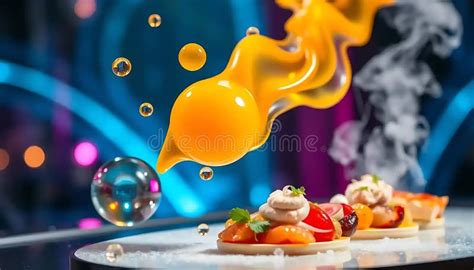
A well-placed drizzle or swipe of sauce can be both a flavor enhancer and a powerful visual element. Contrasting colors work best.
- Swipes/Swooshes: Use the back of a spoon to create an elegant arc of sauce across the plate.
- Dots: Small, uniform dots of sauce or purée can add a modern, artful touch.
- Drizzles: A thin stream of balsamic glaze, crème fraîche, or pesto can add intricate patterns.
Mastering Garnish Application Techniques
Precision Cutting: The Foundation
Sharp knives and steady hands are essential. Uniform cuts demonstrate attention to detail and professional skill. Practicing basic knife cuts like julienne, brunoise, and chiffonade will significantly improve your garnishing game.
Layering & Stacking: Adding Dimension
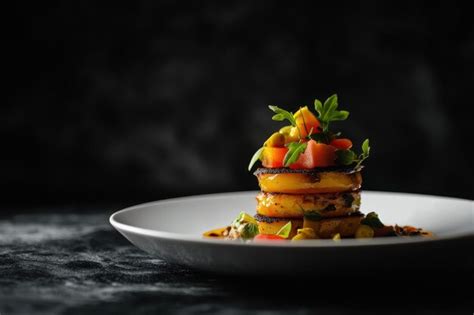
Don’t just spread ingredients flat. Think vertically. Stacking elements, like a tower of vibrant vegetables or a delicate tuft of microgreens on top, adds height and visual interest, making the dish appear more substantial and sophisticated.
Thoughtful Placement: Balance and Focus
Garnishes should complement, not overpower, the main dish. Think about:
- Focal Point: Direct the diner’s eye to the most appealing part of the dish.
- Negative Space: Leave some areas of the plate clean to create visual breathing room.
- Rule of Thirds: Imagine a tic-tac-toe grid on your plate and place key elements where the lines intersect.
Tips for Garnishing Success
- Simplicity is Key: Often, less is more. A single, well-chosen garnish can be more impactful than an overcrowded plate.
- Contrast is Your Friend: Use garnishes that offer a contrast in color, texture, or shape to the main components of your dish. Bright green herbs against a rich red sauce, or crisp radish slices on a creamy soup.
- Consider Proportion: Garnishes should be appropriately sized for the dish. A tiny sprig on a large steak will look lost, while a huge garnish on an appetizer will overwhelm it.
- Functionality Matters: Can the garnish be eaten? Does it add to the flavor profile, or at least not detract from it? Avoid purely decorative elements that serve no purpose.
- Freshness is Paramount: A wilted herb or dull-colored vegetable will instantly detract from the appeal. Always use the freshest ingredients for garnishing.
Embracing the art of garnishing is about understanding how to enhance the visual story of your food. By thoughtfully selecting and applying the right elements, you can transform ordinary meals into extraordinary culinary presentations that are as delightful to the eye as they are to the palate. So, next time you plate a dish, take a moment to consider that final touch – it might just be the visual pop that makes all the difference.