Visual tips for perfectly seasoning roasted vegetables every time?

Achieving perfectly seasoned roasted vegetables is a culinary art that’s easier than you think when you know what visual cues to look for. Forget the guesswork; by training your eyes, you can ensure your veggies are bursting with flavor, beautifully caramelized, and tender-crisp every single time. It all starts before they even hit the oven.
The Golden Glisten: Mastering Oil Distribution
Oil is the unsung hero of roasted vegetables, facilitating caramelization and ensuring spices adhere. The key visual here is an even, light sheen. Your vegetables should look glistening, but never swimming in oil at the bottom of the bowl. Each piece should have a thin, consistent coating. If you see pools of oil or dry patches, you need to adjust.
Start by drizzling a small amount of oil – usually 1-2 tablespoons per pound of vegetables – then toss vigorously. If they still look dry, add another half-tablespoon and toss again. The goal is for every surface to look hydrated, preventing sticking and promoting even browning.
Salt Sense: The Fine Dusting Method
Salt is critical for flavor, but too little leaves vegetables flat, and too much makes them inedible. Visually, aim for a fine, even dusting of salt across all surfaces. Imagine a light snowfall; you want tiny crystals clinging to every crevice, not large clumps or bare spots. Use a coarse salt like kosher or sea salt, which is easier to see and distribute than fine table salt.
Sprinkle from a height of about 10-12 inches above the vegetables; this helps the salt crystals disperse more broadly. After sprinkling, give the vegetables another quick toss to redistribute. If you can see distinct, large salt piles, you’ve added too much or not tossed enough. The ideal look is subtle, yet comprehensive coverage.
Herbs and Spices: Color and Cling
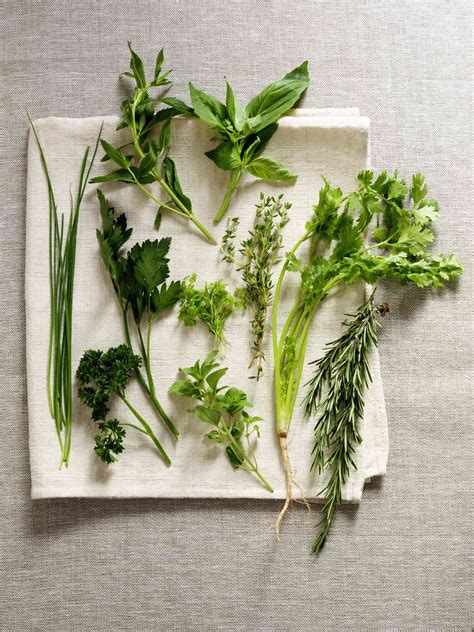
When adding dried herbs and spices, the visual goal is similar to salt: even distribution. You want to see flecks of color from your herbs (like rosemary, thyme, oregano) and spices (paprika, cumin, garlic powder) clinging uniformly to the oiled vegetable surfaces. There shouldn’t be bare patches or overly concentrated clumps of spices.
Toss herbs and spices with the oiled vegetables until they appear to have a consistent hue or texture. If using fresh herbs, chop them finely and add them towards the end of the roasting process, or toss them in just before roasting for a fresh burst of flavor and color. The visual spread ensures every bite is seasoned perfectly.
The Roasting Reveal: Golden Edges and Caramelization
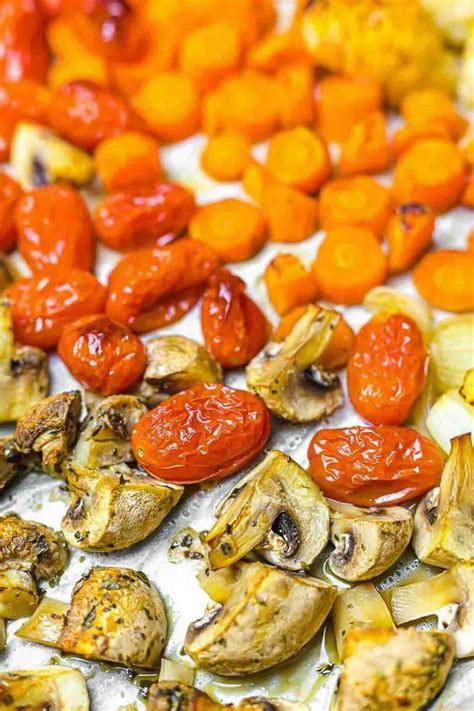
Once your vegetables are in the oven, visual cues continue to guide you. The most important indicator of perfect seasoning and doneness is browning and caramelization. You’re looking for vibrant colors deepening, with edges turning golden-brown, and some spots developing a beautiful, slightly charred crust.
If your vegetables are steaming and wilting without browning, they might be overcrowded on the baking sheet, preventing moisture from evaporating. Spread them in a single layer with enough space between pieces. Perfectly roasted vegetables will have a distinct color transformation, indicating that the sugars have caramelized and the savory flavors have intensified.
The Final Glance: Taste and Adjust
While visual cues are paramount, a final taste test before serving is always recommended. Take a small piece from the center of the tray, allow it to cool slightly, and taste. Does it need a tiny pinch more salt? A dash of fresh pepper? A squeeze of lemon or a sprinkle of fresh herbs can brighten flavors instantly.
By learning to trust your eyes for oil, salt, and spice distribution, and then observing the glorious transformation in the oven, you’ll consistently produce roasted vegetables that are flavorful, tender, and irresistibly delicious. Happy roasting!