Visual tips for reducing food waste while cooking delicious, healthy meals?

Seeing is Believing: Visual Cues for a Zero-Waste Kitchen
Food waste is a significant global issue, but it’s also a personal one that impacts our wallets and the environment. While the idea of reducing waste can seem daunting, many effective strategies are rooted in simple visual cues and smart organization within our kitchens. By consciously altering how we see and interact with our food, we can cook more delicious, healthy meals while drastically cutting down on what ends up in the bin.
This article explores practical visual tips designed to transform your kitchen into a food-waste-fighting zone, helping you appreciate every ingredient and enjoy every meal.
1. Shop Smart, Store Smarter: Visibility is Key
The journey to reducing food waste often begins before you even start cooking. How you shop and, crucially, how you store your groceries plays a pivotal role. Making food visible and easily accessible is the first step.
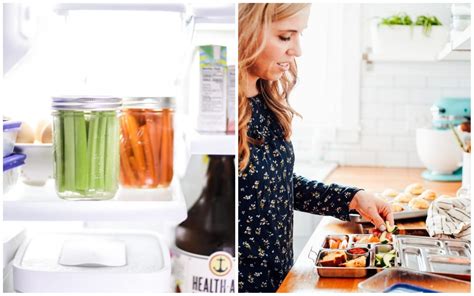
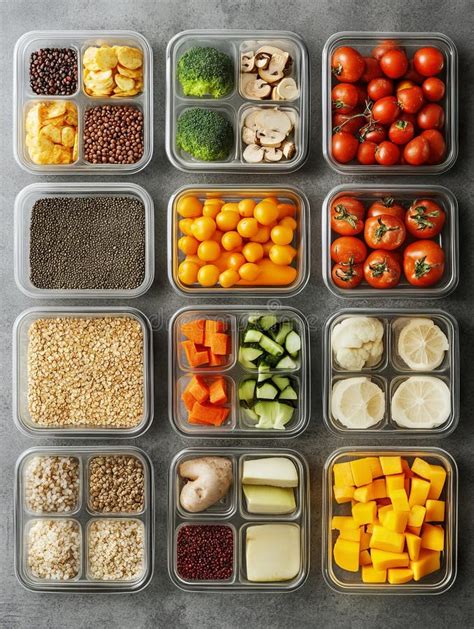
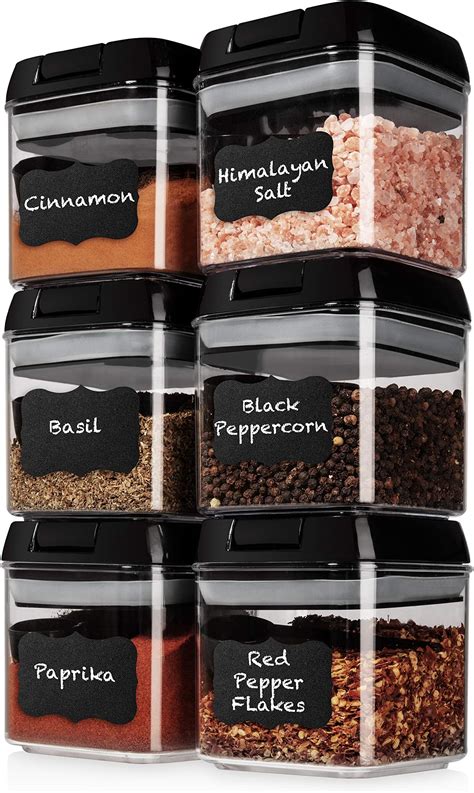
- The Clear Container Rule: Ditch opaque containers. Invest in clear glass or BPA-free plastic containers for storing leftovers, chopped veggies, and even pantry staples. When you can see what’s inside, you’re more likely to remember it and use it before it spoils.
- “Eat Me First” Zone: Designate a specific shelf in your fridge or a basket on your counter as the “Eat Me First” zone. Place items nearing their expiration date or those needing to be used soon in this highly visible spot. This simple visual reminder can prevent forgotten produce from wilting away.
- First-In, First-Out (FIFO) in Action: When unpacking groceries, consciously move older items to the front of your fridge or pantry shelves and new items to the back. This visual system ensures that you’re always grabbing the older ingredients first.
2. Prep with Purpose: Maximizing Every Morsel
Once you’re in the kitchen and ready to cook, visual awareness continues to be your best ally. Many perfectly edible parts of fruits and vegetables are often discarded out of habit. Changing this mindset visually can unlock a world of flavor and nutrients.
- Embrace “Root-to-Stem” Cooking: Visually inspect vegetables and herbs. Carrot tops can become pesto, broccoli stems can be shredded into slaws, and herb stems can flavor stocks. Instead of automatically discarding, pause and ask, “Can this be used?”
- Portion Power: Before you even begin cooking, visually estimate portion sizes. Cooking too much food is a primary cause of waste. Use smaller plates, measure ingredients, and consider what you realistically need for your meal, plus perhaps one planned leftover serving.
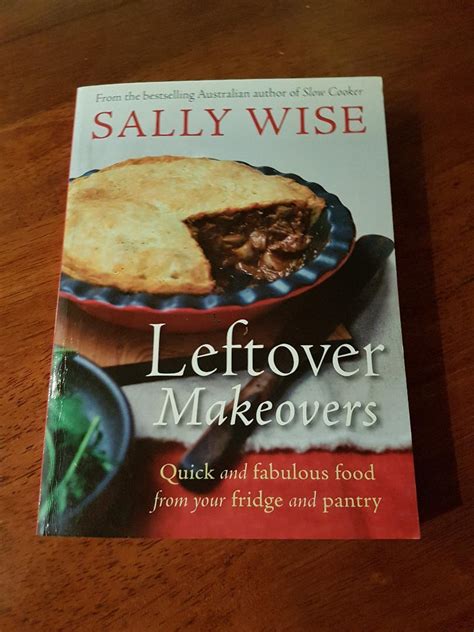
- Transformative Leftovers: Don’t just reheat; reimagine. Visually plan how leftovers can transform into entirely new meals. That roasted chicken can become chicken salad, soup, or tacos. Yesterday’s rice can be fried rice. Seeing the potential prevents boredom and waste.

3. The Art of the Visible Inventory
Knowing what you have is half the battle. Regular visual checks of your pantry, fridge, and freezer can prevent duplicate purchases and ensure nothing gets lost in the shuffle.
- Weekly Fridge & Pantry Audit: Before your grocery run, take 5-10 minutes to visually scan your fridge and pantry. What needs to be used? What’s getting low? This practice informs your shopping list and prevents buying items you already have.
- Labeling & Dating: While not strictly “visual” in the artistic sense, clearly labeled and dated containers are a powerful visual cue. A glance tells you what it is and how old it is, guiding your choices.

4. Mindful Consumption and Storage
Even after a delicious meal, food waste can still occur if not stored properly or if we simply forget about what we’ve saved.
- Appealing Leftovers: Store leftovers in appealing, ready-to-eat portions. If your lunch looks appetizing in its container, you’re more likely to grab it the next day than if it’s an unidentifiable lump in an old plastic tub.
- Strategic Freezing: Visually assess what can be frozen. Soups, stews, sauces, bread, and even chopped vegetables can be frozen for later use. Label with contents and date for easy identification.
Embrace a Visually Waste-Free Lifestyle
Reducing food waste isn’t about perfection; it’s about progress and adopting smarter habits. By utilizing these visual tips—from clear storage and designated “Eat Me First” zones to mindful cooking and creative repurposing—you’ll not only cut down on waste but also discover new ways to enjoy healthy, delicious meals. Start small, be consistent, and watch your kitchen transform into a more efficient, sustainable, and joyful space.