Visual tips: How to find authentic local eats avoiding tourist traps?

Unlocking Genuine Culinary Experiences Abroad
Venturing into a new city or country often sparks the desire for authentic culinary experiences. Yet, the fear of falling into a tourist trap, with its overpriced, mediocre food, looms large. The good news? You don’t need a local guide to find the real deal. By sharpening your observational skills and paying attention to specific visual cues, you can easily distinguish between a genuine local eatery and a tourist-centric imitation.
Spotting Authenticity: What to Look For
1. The Local Crowd: Your Best Indicator
This is perhaps the most reliable visual tip. Glance inside or around an eatery. Is it bustling with locals? Are families, friends, or workers from nearby offices enjoying their meals? A restaurant packed with residents, especially during peak hours, is a strong signal of quality and authenticity. Locals know where the good food is, and they’ll frequent places that offer value and taste.

2. Simplicity in Decor and Signage
Often, the most authentic places don’t rely on flashy neon signs or overly curated interiors. Look for establishments with humble, unpretentious decor. Worn tables, simple chairs, and minimal decoration can be a good sign. The focus here is on the food, not the ambiance designed to impress tourists. Hand-written menus or signs in the local language further solidify its authenticity.
3. A Focused, Less-Is-More Menu
Tourist traps often boast sprawling menus featuring everything from pizza to paella to pad Thai, trying to cater to every possible palate. Authentic local eateries, on the other hand, typically specialize. A shorter, focused menu indicates that the chefs are experts in a few dishes, preparing them with skill and fresh, local ingredients. Look for menus predominantly in the local language, perhaps with a few English translations but not overwhelming multi-language options.
4. Street Food Stalls and Bustling Markets
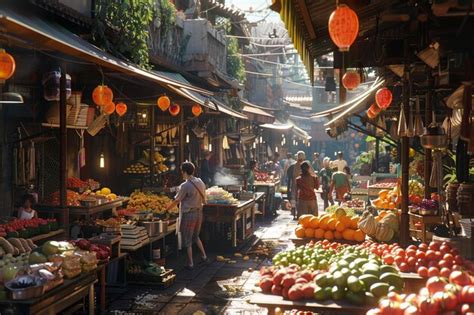
Some of the most incredible local food experiences are found not in sit-down restaurants, but at street food stalls or within vibrant local markets. Watch where people queue up. If a particular vendor has a consistent line of locals, it’s a safe bet that their food is delicious and fresh. The open-air environment often allows you to see the food being prepared, ensuring transparency and freshness.
Avoiding Tourist Traps: Red Flags to Heed
1. The Multilingual, Picture-Heavy Menu
While some translation is helpful, a menu with dozens of professional, glossy photos of every single dish, translated into five different languages, is often a huge red flag. These are designed to make ordering easy for tourists, often at the expense of quality and authenticity. The food pictured rarely lives up to expectations.
2. Aggressive Hawkers and Empty Seats in Prime Locations
If you’re being aggressively cajoled or pulled into an establishment by a street hawker, especially in a prime, high-traffic tourist spot, it’s best to steer clear. Authentic places don’t need to beg for customers; their reputation and quality speak for themselves. Similarly, if a restaurant is in a prime location but conspicuously empty while others nearby are full, it’s a sign to move on.

3. Overly Themed or “Exotic” Decor
Beware of restaurants that go overboard with generic “local” decor – think mass-produced cultural trinkets or caricatured interpretations of local life. These places often prioritize creating a superficial “authentic” atmosphere for visitors over delivering genuine food. Real authenticity usually presents itself organically, not as a manufactured experience.
4. Prices That Don’t Add Up
While not strictly a visual cue, prominently displayed prices that seem excessively high compared to similar items at other local eateries in the area can be a visual deterrent. Tourist traps often inflate prices, knowing visitors are less likely to know the local value. A quick scan of prices can tell you a lot.

Beyond Visuals: Enhance Your Search
While visual cues are powerful, don’t hesitate to supplement your observation with a little research. Ask hotel staff (but clarify you want their favorite local spot, not a recommendation they get commission from), local shopkeepers, or use reputable food blogs and apps that focus on local recommendations rather than mainstream tourist lists. Word-of-mouth from genuine locals remains an invaluable tool.
Embrace the Culinary Adventure
Finding authentic local eats is part of the adventure of travel. By training your eye to spot the subtle (and not-so-subtle) visual signals, you’ll open yourself up to incredible culinary discoveries, taste the true flavors of your destination, and avoid the disappointment of tourist traps. So, look around, trust your instincts, and prepare to savor genuinely local delights!