Visual tips: How to make healthy, real food meals more appealing?

Eating healthy, real food is crucial for our well-being, but let’s be honest: a bowl of brown lentils or plain steamed broccoli might not always ignite culinary excitement. While taste is paramount, our eyes often eat first. Making healthy meals visually appealing can significantly enhance satisfaction, encourage mindful eating, and even trick picky eaters into trying new things. It’s not about being a gourmet chef; it’s about applying a few simple tricks to turn everyday nutritious dishes into delightful feasts for the eyes.
Embrace the Power of Color
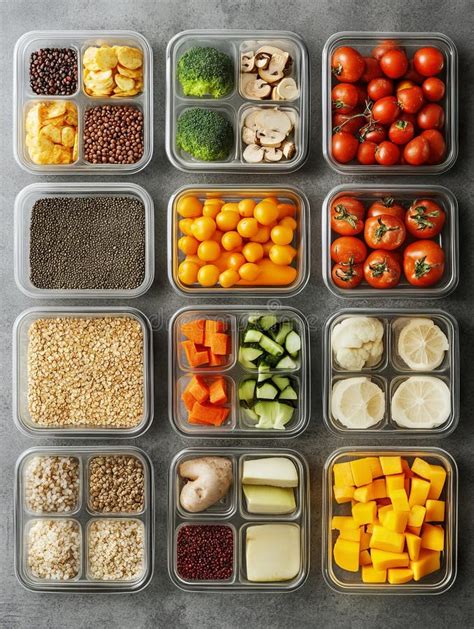
Color is perhaps the most impactful element in food presentation. A plate bursting with vibrant hues signals freshness, variety, and a rich nutrient profile. Think of a dull brown dish versus a colorful salad with leafy greens, red bell peppers, orange carrots, and purple cabbage. The latter instantly looks more appetizing and nutritious.
- Rainbow on Your Plate: Aim to include ingredients from across the color spectrum. Red tomatoes, green spinach, yellow corn, orange sweet potatoes, purple berries – each adds visual interest and a unique set of vitamins and antioxidants.
- Contrast is Key: Place contrasting colors next to each other to make them pop. A bright green herb garnish on a creamy white sauce, or dark berries on a light yogurt, creates an eye-catching effect.

Play with Texture and Shape
Monotonous textures can make a meal less exciting, even if the flavors are good. Incorporating a variety of textures adds depth and keeps each bite interesting.
- Mix It Up: Combine crunchy elements (nuts, seeds, crispy roasted vegetables, croutons) with softer ones (avocado, cooked grains, purees). A salad with crisp lettuce, creamy avocado, and crunchy walnuts is far more engaging than one with just soft greens.
- Vary Your Cuts: Don’t chop everything into uniform cubes. Julienne carrots, slice cucumbers into rounds, tear lettuce leaves, or spiralize zucchini. Different shapes add visual intrigue and make the plate less predictable.
Master Mindful Plating Techniques
How you arrange food on the plate can elevate a simple dish to something special. Think of your plate as a canvas.
The Rule of Thirds (or Odd Numbers)
Just like in photography, arranging food off-center or in odd-numbered groupings often looks more dynamic and aesthetically pleasing. Avoid piling everything in the middle.
Create Height
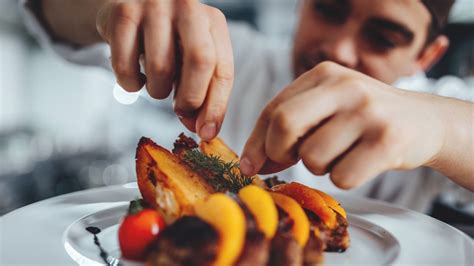
Flat food can look uninspired. Stack ingredients slightly (e.g., roasted vegetables, protein) or build a small mound of grains or salad. This adds dimension and elegance.
Keep It Clean
A messy plate with smears or spills detracts from even the most delicious food. Wipe the edges of the plate clean before serving to give it a professional finish.
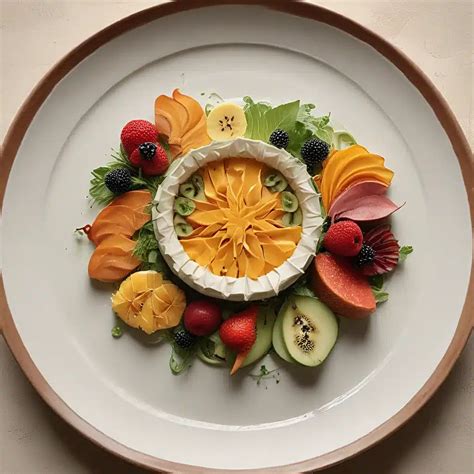
Garnish with Purpose
Garnishes aren’t just for fancy restaurants; they’re an easy way to add a final touch of freshness, color, and flavor to your healthy meals.
- Fresh Herbs: A sprinkle of chopped parsley, cilantro, dill, or basil can instantly brighten a dish, adding aroma and a pop of green.
- Citrus Zest or Wedges: A twist of lemon or lime zest, or a small wedge, provides vibrant color and a burst of fresh flavor.
- Seeds and Nuts: Toasted sesame seeds, pumpkin seeds, or chopped almonds offer crunch, healthy fats, and visual texture.
- Drizzles and Swirls: A light drizzle of olive oil, balsamic glaze, or a contrasting sauce can create appealing patterns and add richness.
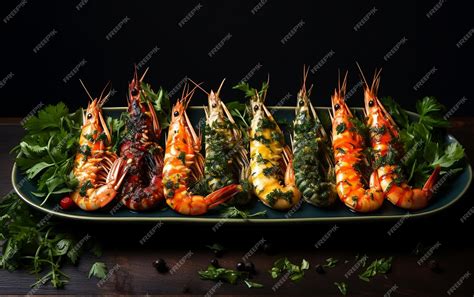
Choose Your Canvas Wisely: Dishware Matters
The plate itself plays a significant role in how your food is perceived. It’s the frame for your edible artwork.
- Neutral Colors: White or light-colored plates allow the vibrant colors of your food to stand out. Avoid overly busy patterns that compete with the food.
- Appropriate Size: Don’t use an enormous plate for a small portion, as it can make the meal look meager. Conversely, overcrowding a small plate makes it look unappetizing. Choose a size that allows for some negative space around the food, making it feel more refined.
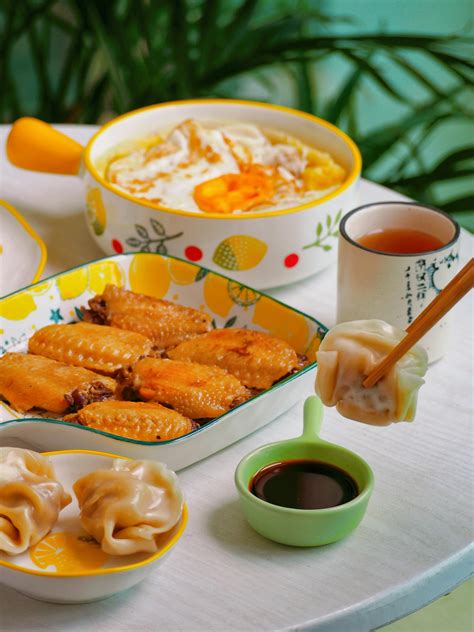
Making healthy food look good doesn’t require culinary school or expensive equipment. It’s about being mindful of colors, textures, arrangement, and the vessel you use. By applying these simple visual tips, you can transform your everyday healthy, real food meals into more inviting and satisfying experiences, proving that eating well can indeed be a feast for all the senses.