Visual tips: Spot authentic local eats for amazing foodie photos?

Unlocking Culinary Treasures: Why Authenticity Matters for Your Lens
For any true food adventurer, the quest for authentic local eats is paramount. It’s not just about satisfying your palate; it’s about immersing yourself in a culture and capturing its essence through your camera. Genuine local establishments often hold the most vibrant stories, unique flavors, and, crucially, the most photogenic dishes. But how do you sift through the tourist traps to find these hidden gems that promise both an incredible meal and stunning photo opportunities?

The Visual Language of Authentic Eateries
Look for the Locals
The most telling sign of an authentic spot is its clientele. Are the tables filled with locals, conversing in their native tongue and enjoying their meals without consulting guidebooks? A restaurant packed with residents during peak hours is a strong indicator of quality and authenticity. Observe families, workers on lunch breaks, and older generations – they know where the good food is.
Simplicity in Signage and Decor
Often, the most authentic places forgo flashy signs and elaborate interiors. Look for humble, well-worn establishments that prioritize food over decor. Hand-painted signs, simple tables, and a general lack of overt marketing can be good indicators. The focus is usually on the ingredients and the cooking, not on creating a “trendy” atmosphere for tourists. Sometimes, a bustling street stall with minimal seating offers the purest experience.

Transparency and Freshness: The Open Kitchen Clue
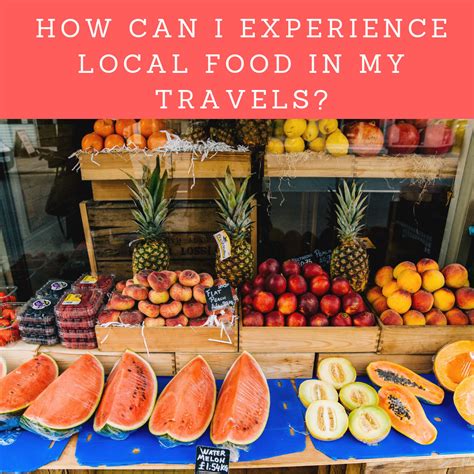
Many authentic local eateries, especially street food vendors or smaller restaurants, operate with an open kitchen concept or visible food preparation areas. This transparency allows you to see the fresh ingredients, the cooking methods, and the hygiene standards firsthand. Watch for vibrant, seasonal produce and skilled hands at work – these are excellent signs of care and quality, which translate beautifully into photos.
Beyond the Eyes: Sensory and Practical Spotting Tips
Follow Your Nose and Ears
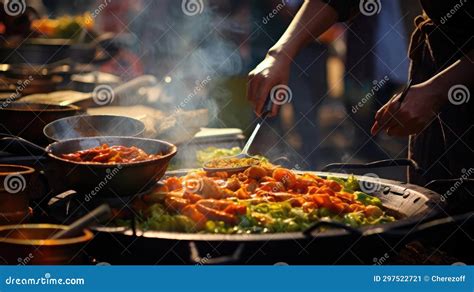
Sometimes, the best guide isn’t your eyes but your other senses. Wander the streets and let your nose lead you. The aroma of spices, grilling meats, or simmering stews can draw you to incredible finds. Listen for the lively chatter of a busy kitchen, the sizzle of a wok, or the rhythmic chopping – sounds that promise culinary action.
Observe the Menu and Offerings
Authentic places often have menus written primarily in the local language, with fewer English translations. A short, focused menu, perhaps featuring daily specials or seasonal dishes, is a positive sign. It indicates mastery over a few dishes rather than an attempt to cater to every palate. If you see a laminated, multi-page menu with generic “international” options, proceed with caution.
Ask the Locals (Politely)
Don’t be afraid to strike up a conversation with locals – a hotel concierge, a shopkeeper, or even an elderly person relaxing in a park. Politely ask for their personal recommendations for their favorite local eatery. They are often proud to share their culinary heritage and can point you to truly authentic, off-the-beaten-path places that you’d never find in a guide. These are goldmines for unique photo opportunities.
Capturing the Magic: Photography Tips for Authentic Eats
Once you’ve found your authentic treasure, it’s time to capture its essence. Natural light is your best friend – position your dish near a window or outdoors if possible. Don’t just photograph the food; tell a story. Include elements of the surroundings – a local newspaper, a rustic table, the chef’s hands, or the bustling street scene in the background. Get close to highlight textures and vibrant colors, but also pull back to show the context of the meal. Embrace the imperfect, the rustic, and the real – these are the elements that make for truly captivating foodie photos that convey authenticity and adventure.
Embark on Your Culinary Photo Journey
Finding authentic local eats is a rewarding adventure that enhances your travel experience and enriches your photography portfolio. By paying attention to visual cues, engaging your other senses, and learning to ask the right questions, you’ll uncover culinary delights that not only taste incredible but also tell a compelling story through your lens. So, go forth, explore, and let your camera feast on the genuine flavors of the world!