Visual trick to find authentic local eats, not tourist traps?

The Quest for Authentic Flavors
One of the greatest joys of travel is immersing yourself in the local culture, and few things offer a deeper dive than authentic cuisine. Yet, for many travelers, the challenge lies in distinguishing genuine local eateries from the often overpriced and underwhelming tourist traps that line popular attractions. How do you find that hidden gem where locals truly dine?
It’s a common dilemma, but seasoned food adventurers know there’s a reliable visual trick that can guide you straight to the heart of a city’s culinary scene, far from the pre-packaged experiences designed for visitors.
The Golden Rule: Follow the Locals
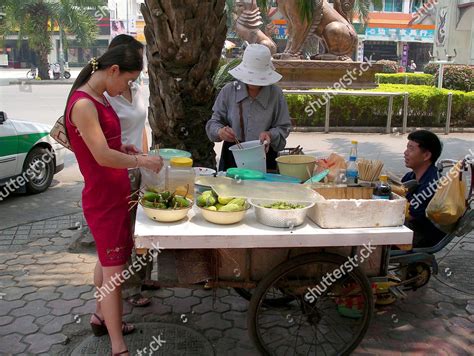
The most straightforward and potent visual cue is simply to observe who is eating there. If a restaurant, cafe, or street food stall is packed with locals – especially during typical meal times – you’ve likely hit the jackpot. They know where the good food is, the fair prices, and the true flavors of their home.
Conversely, if a place is sparsely populated, or if the majority of diners are clearly tourists consulting guidebooks, it might be a red flag. Pay attention to the demographics: families, friends, business people – they’re all indicators of a place that resonates with the community.

Deciphering Menus and Signage
Another powerful visual trick lies in the menu itself and the establishment’s signage. Tourist traps often feature multi-language menus (sometimes with glaring translation errors), glossy photos of every dish, and large, flashy signs specifically designed to catch the eye of passersby. While convenience can be tempting, these are often signs that the establishment prioritizes volume over authenticity.
Authentic local spots, on the other hand, might have menus primarily in the local language, perhaps a simple handwritten board, or even no menu at all – relying instead on daily specials or the chef’s recommendations. Their signage tends to be understated, perhaps old, indicating a long-standing local favorite.
Beyond the Menu: Observing the Environment
Take a moment to visually scan the overall environment. Authentic eateries often don’t bother with overly polished decor; functionality and flavor take precedence. Look for simple table settings, perhaps a bustling kitchen visible from the dining area, or even stacks of fresh ingredients waiting to be prepared. Are there local newspapers or magazines lying around? Are the staff engaging naturally with the patrons?
The location also plays a part. While some excellent local spots are in plain sight, many truly authentic places are tucked away on side streets, slightly off the main thoroughfare, or in residential neighborhoods where tourists rarely venture.
The Dish Itself: Presentation and Portions
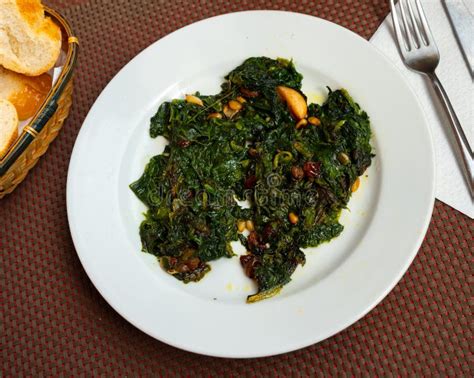
Once you’ve made your choice, the visual cues continue with the food presentation. While some high-end local cuisine can be artfully plated, everyday authentic dishes often prioritize generous portions, fresh ingredients, and robust flavors over delicate artistry. Look for dishes that reflect the region’s culinary traditions, perhaps served in traditional bowls or on simple platters. If every dish looks like it belongs in a magazine, it might be aimed at a different demographic.
Listen to the Sounds and Smells
While not strictly visual, complementing these observations with your other senses can solidify your decision. The aroma of spices, herbs, and freshly cooked food wafting from a doorway is a strong indicator. Listen for the lively chatter of local conversations, the clatter of pots and pans, and the general hum of a busy, happy place. A quiet, sterile environment often suggests a lack of genuine local patronage.
Conclusion: Your Culinary Compass
Armed with these visual tricks, you’ll transform your food adventures from a gamble into a guided exploration. By paying attention to who’s dining, what the menus say (or don’t say), and the overall vibe of the establishment, you can reliably steer clear of tourist traps and uncover the true culinary soul of any destination. Embrace the adventure, trust your instincts, and prepare to savor truly authentic local eats!