Visually gauge perfect seasoning for vibrant, real foodie flavors?
For many home cooks and professional chefs alike, seasoning is an intuitive dance between taste, smell, and touch. But what if we told you there’s a powerful, often overlooked, sensory input that can dramatically elevate your seasoning game? We’re talking about sight. Learning to visually gauge the perfect seasoning can transform your dishes from good to gourmet, ensuring vibrant, real foodie flavors every time.
Beyond Taste: The Power of Visual Seasoning
While the final taste test is paramount, your eyes offer crucial clues throughout the cooking process. Before you even lift a spoon, certain visual indicators can signal whether a dish is on its way to being perfectly seasoned, under-seasoned, or even over-seasoned. Developing this visual intuition helps you make timely adjustments, preventing common pitfalls and building confidence in the kitchen.
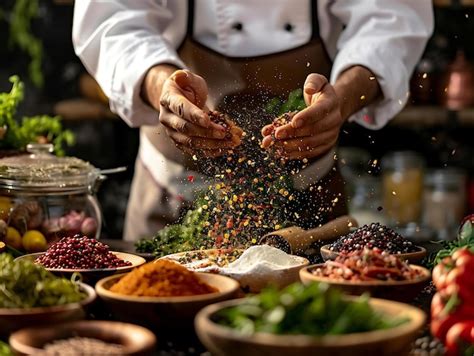
The Glimmer of Salt: A Visual Indicator
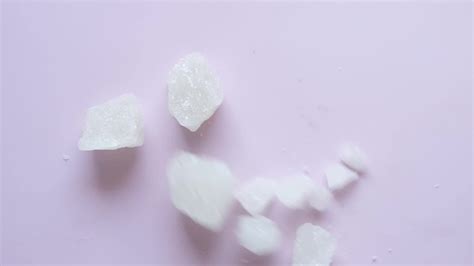
Salt, the most fundamental of seasonings, has subtle visual tells. When seasoning a salad, for example, a perfectly dressed and salted leaf often has a slight glimmer or sheen from the dressing clinging evenly, a sign that the salt has dissolved and distributed properly. In cooked dishes, especially those with sauces or broths, observe how the liquid coats ingredients. A slightly dull appearance might suggest more seasoning is needed to brighten flavors. Conversely, visible undissolved salt crystals on the surface of a cooled dish could indicate an excess.
When browning meat or vegetables, proper salting before cooking aids in moisture release and caramelization. The golden-brown crust you achieve isn’t just about heat; it’s also a visual representation of flavor development, heavily influenced by adequate initial seasoning.
Color and Texture: Herbs and Spices Speak Volumes
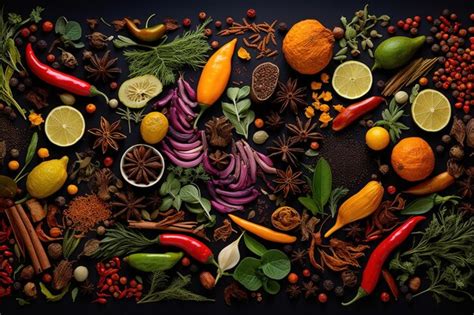
Herbs and spices are a feast for the eyes as much as the palate. Their color saturation and how they integrate into a dish offer significant clues. Fresh herbs should maintain their vibrant green (or other natural) hue when added at the right time, indicating their aromatic compounds are preserved. Overcooked herbs turn dull and lifeless, visually signaling a loss of flavor.
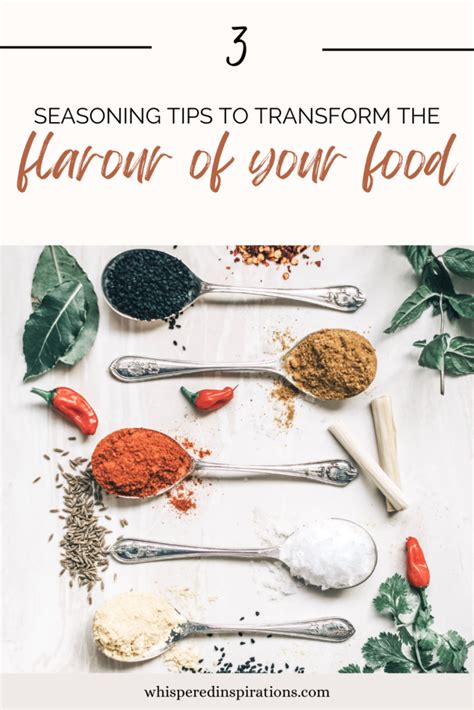
Ground spices, when bloomed in hot oil or toasted, deepen in color and release their essential oils, creating a rich, fragrant base. Observe the transformation: a brighter, more integrated color usually means the spices are ready to infuse their full potential. An even distribution of spices, without clumping, also visually confirms an even flavor profile.
Shine and Brightness: Fats and Acids in Focus
Seasoning isn’t just about salt and pepper; it’s also about balancing fats and acids. A well-seasoned dish often has a certain “brightness” or “luster.” For instance, a soup or sauce that looks flat might benefit from a touch of acid (lemon juice, vinegar) or a swirl of fat (butter, olive oil) to awaken its flavors. Visually, this translates to a more vibrant, sometimes slightly reflective, surface that hints at a well-rounded taste profile.
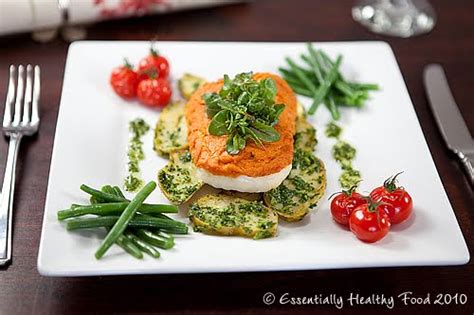
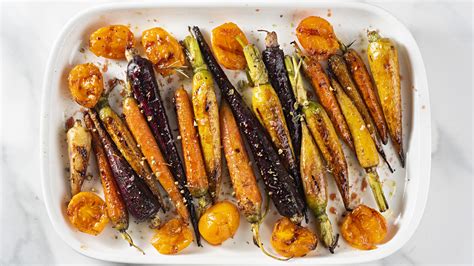
The glaze on roasted vegetables or a perfectly emulsified vinaigrette are prime visual examples of balanced seasoning. The fat carries flavor, and the acid brightens it, creating a visual appeal that directly correlates with deliciousness.
Developing Your Culinary Visual Palate
Training your eye for seasoning takes practice and observation. Start by consciously noting the appearance of dishes you know are perfectly seasoned. Pay attention to the subtle gleam of a properly salted sauce, the vibrancy of correctly added herbs, or the even coating of spices. Compare this to dishes you suspect are under or over-seasoned. Over time, you’ll build a mental library of visual cues that will guide your hands almost instinctively.
Don’t be afraid to experiment. Add a pinch more salt or a squeeze of lemon and observe how the dish’s appearance changes alongside its taste. This active learning process will fine-tune your ability to “see” flavor, making you a more confident and intuitive cook.
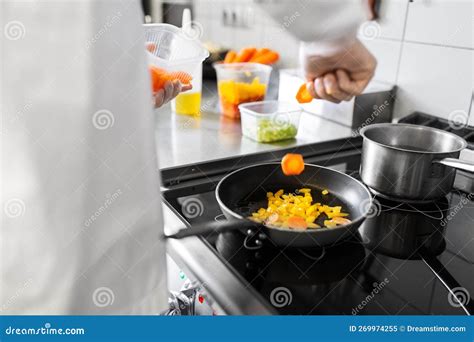
See Your Way to Superior Flavor
Integrating visual cues into your seasoning process is a game-changer. It’s an ancient skill, honed by generations of cooks who learned through observation and practice. By paying attention to the gleam, the color, the texture, and the overall vibrancy of your food, you’re not just cooking with your hands and palate, but with your eyes too. Embrace this often-forgotten sense, and unlock a new dimension of flavor perfection in your culinary adventures.