Visually stunning, quick, healthy meals: Share your plating secrets for real foodies!
Why Visual Appeal Matters for Healthy Eating
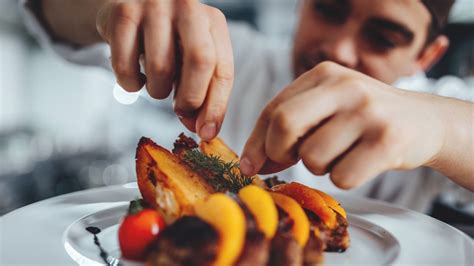
For many, the first bite is with the eyes. This age-old adage holds particular truth when it comes to healthy eating. Often, quick and nutritious meals can be perceived as bland or uninspiring. However, with a few simple plating secrets, you can elevate your everyday dishes into culinary works of art that are as delightful to look at as they are to eat. Beautifully presented food doesn’t just look good; it can enhance your enjoyment, encourage mindful eating, and even make healthier options feel more indulgent and satisfying.
It’s about celebrating the natural beauty of fresh ingredients and taking a moment to appreciate the effort that goes into nourishing your body. Learning to plate like a pro isn’t reserved for Michelin-star chefs; it’s an accessible skill that any home cook can master to make healthy living more appealing and sustainable.
Essential Tools and Mindset for Plating Perfection
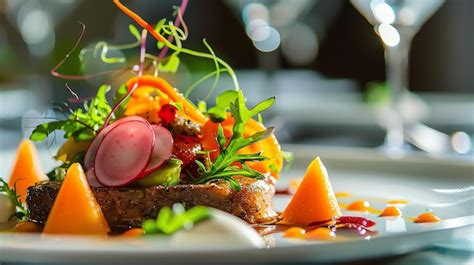
You don’t need a full chef’s arsenal to create visually stunning meals. A few key items, coupled with the right mindset, will set you on the path to plating success. Invest in a good set of white or neutral-colored plates and bowls – these serve as a clean canvas, allowing your food to truly pop. Tongs, a spoon, and a squeeze bottle (for sauces or drizzles) are often all you need for precise placement. Beyond tools, cultivating an ‘artist’s eye’ is crucial: pay attention to colors, textures, and shapes within your ingredients.
Before you even start cooking, visualize how the finished dish will look on the plate. Think about the components – proteins, grains, vegetables, sauces – and how they will interact. This forethought is especially important for quick meals, as it allows you to assemble with purpose rather than just piling ingredients on.
Master the Art: Core Plating Techniques
Color and Contrast
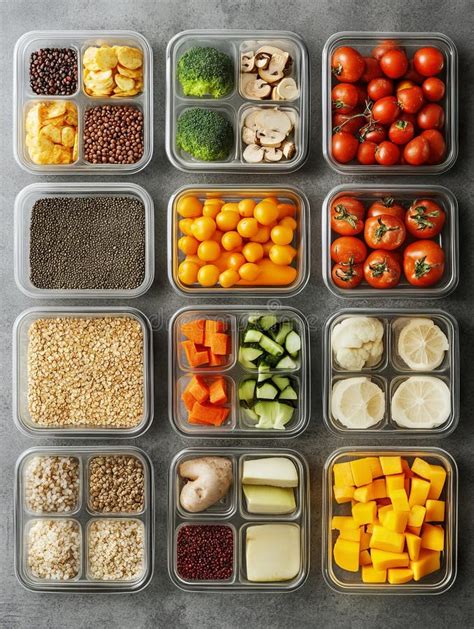
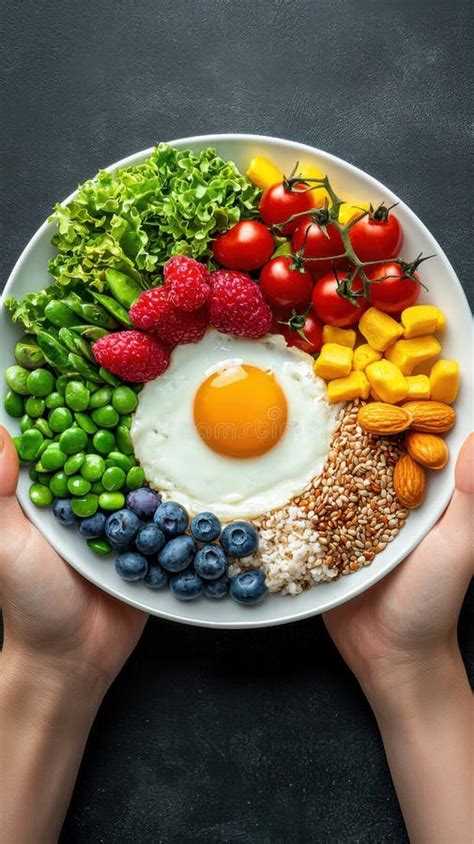
Color is perhaps the most powerful tool in food presentation. Aim for a vibrant palette by incorporating a variety of colorful vegetables and fruits. Think about contrast: a bright red bell pepper against dark green spinach, or a golden-brown piece of salmon atop a bed of quinoa. Garnishes like fresh herbs (parsley, cilantro, dill), citrus zest, or a sprinkle of paprika can add instant visual interest and depth.
Don’t be afraid to experiment with different shades and hues. Even monochromatic dishes can be made appealing with varying textures or strategically placed garnishes that break up the uniformity. Remember, natural colors signify fresh, wholesome ingredients.
Texture and Shape
Introducing a variety of textures keeps the palate engaged and adds visual dynamism. Think crunchy nuts or seeds, creamy avocado, crisp greens, and tender proteins. Similarly, play with different shapes – uniformly diced vegetables next to julienned carrots, or round cherry tomatoes contrasting with linear asparagus spears. Cutting ingredients into interesting shapes can transform a simple meal into something special.
Consider the ‘rule of odds’: arranging components in odd numbers (e.g., three asparagus spears, five cherry tomatoes) often looks more aesthetically pleasing and natural than even numbers.
Height and Dimension
Flat food can look unappetizing. Create height and dimension by stacking ingredients, leaning them against each other, or building a small mound of grains or vegetables. For example, a base of fluffy quinoa with sliced chicken breast stacked on top, and a vibrant sauce drizzled around, creates an appealing vertical presentation. A simple trick is to start with your carbohydrate or grain base, then strategically place your protein and vegetables on or around it.
Even for a quick bowl meal, consider layering. Place heavier items at the bottom, then lighter, more delicate ingredients on top. A sprinkle of microgreens or sprouts on the very top adds an elegant finish and a touch of height.
The Magic of Negative Space
Just as important as what’s on the plate is the space around it. Don’t overcrowd your plate. Leaving some ‘negative space’ allows each component to stand out and gives the dish a more refined, professional look. Imagine the plate as a clock face, and place your main protein at 6 o’clock, vegetables at 2 o’clock, and starch at 10 o’clock, or arrange items slightly off-center for an artistic touch. A clean rim around your food enhances the presentation significantly.
Quick Plating Tips for Busy Foodies
Even when time is short, you can still plate like a pro. Start with a clean plate. Wipe away any drips or smudges with a damp cloth or paper towel before serving. A quick drizzle of a complementary sauce (like pesto, balsamic glaze, or a simple vinaigrette) in an interesting pattern can add instant elegance. Keep a few versatile garnishes on hand: fresh herbs, lemon wedges, toasted sesame seeds, or a pinch of chili flakes. These can be added in seconds to brighten any dish.
Think about your main ingredient and make it the star. Place it prominently and arrange the supporting elements around it. Even a simple fried egg can look gourmet when placed on a bed of vibrant greens and sprinkled with cracked black pepper.
Plate Your Way to Health and Happiness
Transforming your quick, healthy meals into visually stunning dishes is a rewarding endeavor that goes beyond mere aesthetics. It’s about enhancing your connection to food, making healthier choices more enjoyable, and adding a touch of daily luxury to your routine. By embracing a few simple plating techniques – focusing on color, texture, height, and negative space – you can elevate your home cooking and inspire yourself and others to savor every nutritious bite. So, next time you’re whipping up a speedy, wholesome meal, take an extra minute to plate it with intention. Your eyes, your palate, and your overall well-being will thank you.