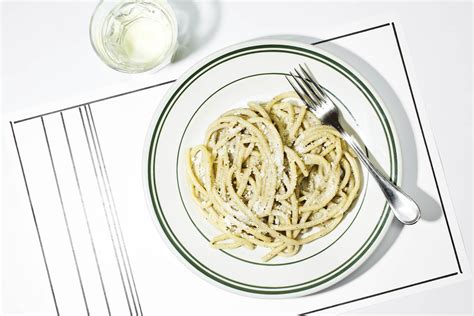
What 3 visual techniques make “Visual Bites” for recipes irresistible to foodies?

Captivating the Culinary Eye: The Power of Visual Bites
In today’s visually-driven world, especially within the culinary sphere, a recipe isn’t truly irresistible until it looks the part. Foodies, by nature, eat with their eyes first. “Visual Bites” – the art of presenting recipes through stunning imagery – is no longer a luxury but a necessity. It’s about more than just showing the finished dish; it’s about evoking emotion, desire, and a powerful urge to recreate or consume. So, what are the three indispensable visual techniques that elevate recipe photography from merely good to absolutely irresistible?
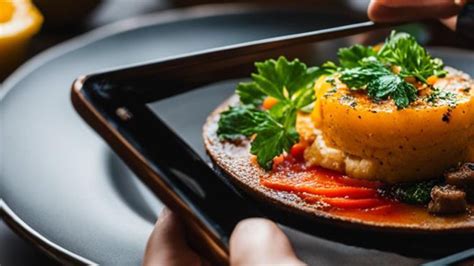
1. The Art of the Macro Close-Up: Highlighting Texture and Detail
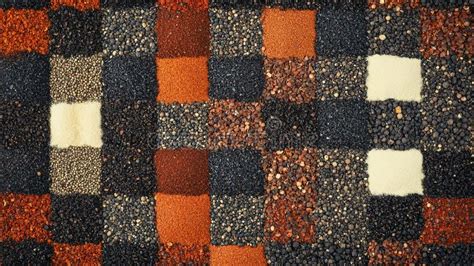
One of the most potent weapons in a food photographer’s arsenal is the macro close-up. This technique zeroes in on the intricate details of a dish, bringing its texture, sheen, and delicate nuances to the forefront. Think of the glistening sauce dripping off a perfectly cooked piece of meat, the crisp, golden crust of freshly baked bread, or the delicate layers of a flaky pastry. These extreme close-ups don’t just show food; they allow the viewer to almost feel its texture, smell its aroma, and imagine its taste.
- Why it works: By magnifying the sensory elements, macro shots create a tactile and immersive experience. They bypass the intellectual and speak directly to primal desires, making the food feel tangible and immediate. It’s about making the viewer practically taste the image.
2. Strategic Composition and Storytelling Through Styling
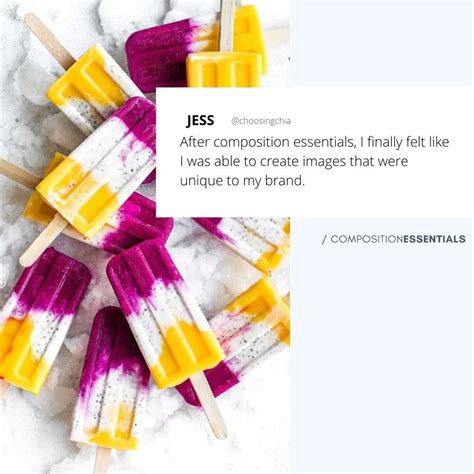
Beyond isolated details, the overall composition and styling of a food shot tell a story. This technique involves carefully arranging the main dish, props, background, and lighting to create an aesthetically pleasing and evocative scene. It’s about creating a mood, setting a context, and inviting the viewer into a culinary moment. This might involve a minimalist approach that spotlights the dish’s elegance, or a more rustic setting with complementary ingredients, cutting boards, and subtly placed utensils that hint at the preparation process.
- Why it works: Thoughtful composition elevates the food from a mere object to an experience. It suggests effort, quality, and a lifestyle. When a foodie sees a beautifully composed shot, they don’t just see a recipe; they envision themselves enjoying that meal in a perfect setting, transforming the aspirational into the attainable.
3. Mastering Color and Light for Vibrant Appeal
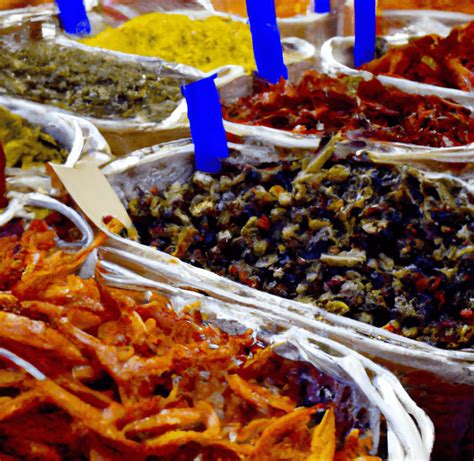
Color and light are perhaps the most fundamental elements of visual appeal in food photography. Mastering these techniques means utilizing natural light to its fullest potential, enhancing the inherent vibrancy of ingredients, and employing color theory to make the food pop. Natural light, whether soft and diffused or bright and directional, brings out the true hues and textures of food in a way artificial light often struggles to replicate. Strategic use of complementary colors in plating and background can make the main dish’s colors appear even more intense and appetizing.
- Why it works: Bright, natural colors signify freshness, health, and deliciousness. Food that looks dull or washed out fails to ignite enthusiasm. Expert lighting reveals the food’s dimensions, gloss, and true character, making it appear succulent and bursting with flavor. It’s the visual equivalent of tasting the rainbow.
The Irresistible Sum of Their Parts
By skillfully employing macro close-ups to highlight texture, crafting compelling narratives through strategic composition, and mastering the interplay of color and light, food photographers can create truly irresistible “Visual Bites.” These techniques don’t just document a recipe; they celebrate it, transforming a simple dish into an object of desire that foodies simply cannot resist. In the competitive world of culinary content, these visual pillars are what turn passive viewers into eager participants, ready to savor every bite, real or imagined.