What are 3 simple plating tips to elevate everyday recipes for stunning visual feeds?

Transforming Everyday Meals into Instagram-Worthy Dishes
In today’s visually-driven world, how food looks can be almost as important as how it tastes. For home cooks, the idea of ‘plating’ might sound intimidating, reserved for professional chefs. However, with a few simple techniques, you can easily elevate your everyday recipes, making them not only more appealing to eat but also picture-perfect for sharing on your social media feeds. Forget complicated garnishes or expensive tools; these tips focus on smart arrangement and mindful presentation.

1. Embrace Color and Contrast
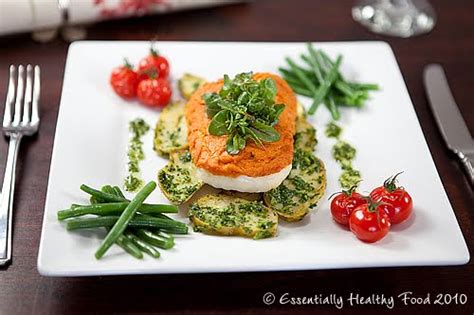
One of the easiest ways to make your food pop is to think about color. A monochromatic dish, while delicious, can sometimes appear flat. Introduce contrasting colors to add visual interest. For instance, a creamy pasta dish can be instantly brightened with a sprinkle of fresh green herbs like parsley or basil, or a burst of color from cherry tomatoes or roasted red peppers. Darker sauces can benefit from a swirl of lighter cream, and vice-versa.
Consider the natural colors of your ingredients. Are you serving grilled chicken? Add a vibrant side of steamed broccoli or a colorful slaw. Even a simple fried egg can look more appealing with a dusting of paprika or a dash of chili flakes. Don’t be afraid to experiment with edible garnishes that add a splash of complementary or contrasting color.

2. Create Height and Texture
Flat food is often uninspiring. Professional plating often involves building up a dish to give it dimension and a sense of generosity. This doesn’t mean stacking everything precariously high, but rather thinking about how you can give elements a lift. Instead of spreading your rice flat, try mounding it slightly in the center. If you’re serving a protein like a steak or chicken breast, slice it and fan it out slightly, overlapping the pieces to create layers.
Texture also plays a crucial role. A dish with varying textures is more engaging both to the palate and the eye. Think about adding a sprinkle of toasted nuts, crunchy croutons, crispy fried onions, or fresh leafy greens to soft dishes. For salads, don’t just toss; arrange the greens and then artfully place other components on top, allowing their different shapes and textures to shine.
3. Utilize Negative Space and Asymmetry
Resist the urge to fill every inch of the plate. Leaving some ‘negative space’ around your food allows the main elements to breathe and become the focal point. It makes the dish look more refined and intentional, rather than simply ‘served.’
Additionally, consider arranging your food in an asymmetrical way, rather than perfectly centered. The ‘rule of thirds’ (imagine a tic-tac-toe grid on your plate) can be a helpful guide, placing your main components at the intersections of these lines. A drizzle of sauce or a sprinkle of garnish can then extend from one of these points, creating dynamic lines that lead the eye across the plate. A clean plate rim, free of spills or smudges, is also paramount to a polished look.
Simple Steps, Stunning Results
Plating doesn’t have to be a daunting task. By focusing on these three simple principles – embracing color and contrast, creating height and texture, and utilizing negative space – you can effortlessly transform your everyday home-cooked meals into visually stunning masterpieces. Practice makes perfect, so start small with your next meal and watch how these simple adjustments make a world of difference to both your dining experience and your visual feeds!