What are simple garnishing techniques for a photogenic plate?

Elevate Your Dish with Simple Garnishes
In today’s visually-driven world, a dish isn’t truly complete until it looks as good as it tastes. Whether you’re cooking for guests or simply sharing your culinary journey on social media, making your food photogenic doesn’t require complex culinary school techniques. With a few simple garnishing tricks, you can transform an ordinary plate into an edible masterpiece that’s ready for its close-up.
Garnishing is all about adding a final touch that enhances the dish’s appeal through color, texture, and thoughtful placement. It’s the secret ingredient for turning a good meal into a great visual experience, making it more appetizing and memorable.
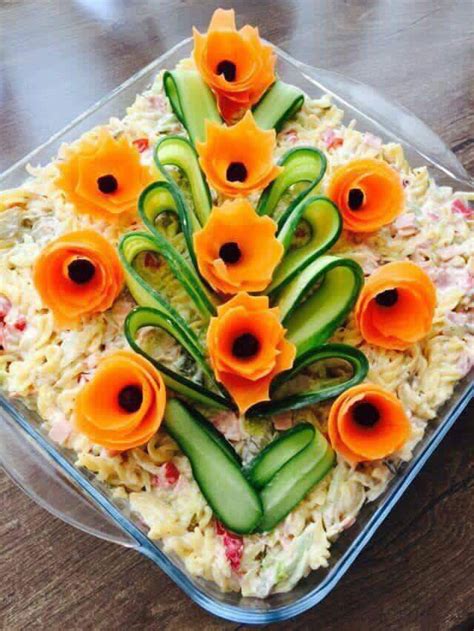
The Power of Color and Contrast
One of the easiest ways to make a plate pop is by introducing contrasting colors. If your main dish is monochromatic (like a creamy soup or a pasta bake), a vibrant garnish can provide the much-needed visual interest. Think about the color wheel: complement warm tones with cool greens, or brighten a dark dish with a splash of red or yellow.
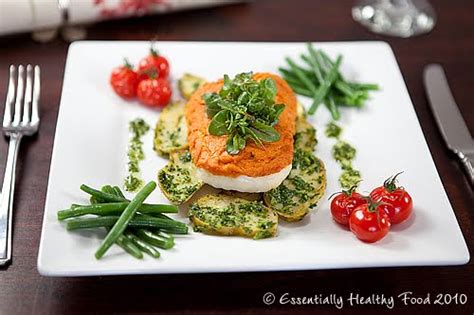
- Fresh Herbs: A sprinkle of chopped parsley, cilantro, dill, or chives adds a fresh burst of green and subtle aroma. A whole sprig of rosemary or thyme can also provide height and elegance.
- Citrus Zest & Wedges: Brighten seafood, salads, or desserts with finely grated lemon, lime, or orange zest. A small wedge or wheel of citrus on the side is both functional and beautiful.
- Chili Flakes or Paprika: A light dusting of red chili flakes or smoked paprika can add a subtle color pop and a hint of flavor, particularly to savory dishes.
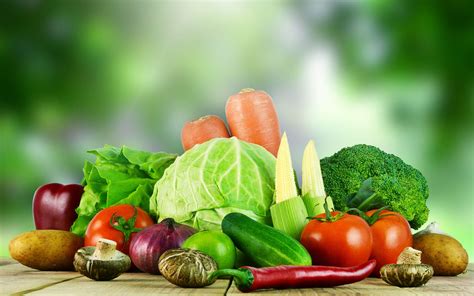
Texture and Dimension for Dynamic Plates
Beyond color, texture adds another layer of sophistication to your plating. Smooth dishes benefit from crunchy elements, while a busy plate can be calmed by a clean drizzle. Dimension also plays a crucial role; flat food rarely looks as enticing as food with some height.
- Toasted Nuts & Seeds: A sprinkle of toasted slivered almonds, sesame seeds, pumpkin seeds, or croutons adds a delightful crunch and nutty flavor to salads, soups, or even pasta dishes.
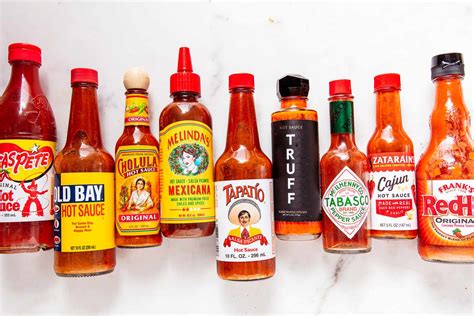
- Drizzles and Swirls: A thin drizzle of extra virgin olive oil, balsamic glaze, a complementary sauce (like a pesto or a flavored aioli), or even a swirl of cream can add elegance and a professional touch. Use a spoon or a squeeze bottle for precision.
- Microgreens & Sprouts: These tiny greens add a delicate texture, concentrated flavor, and a chic restaurant-quality look without much effort.
The Art of Placement and Simplicity
When it comes to garnishing, less is often more. An overloaded plate looks messy, not appetizing. Focus on strategic placement to draw the eye to the main components of the dish.
- Clean Edges: Always wipe the rim of your plate clean before serving. Stray drips or crumbs can ruin an otherwise perfect presentation.
- Rule of Thirds: Just like in photography, positioning your garnish (or even the main components) off-center can create a more dynamic and interesting composition.
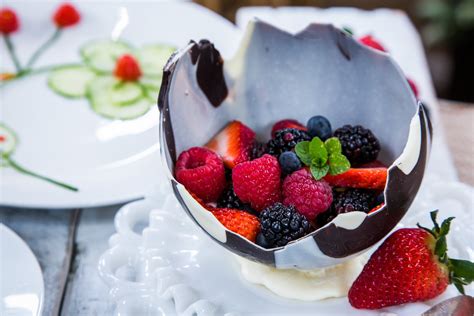
- Create a Focal Point: Use your garnish to highlight a particular element of the dish. For instance, a sprig of mint on top of a dessert or a lemon wedge beside grilled fish.
- Height: Stack ingredients subtly or use a tall garnish (like a herb sprig or a long parmesan shaving) to add dimension and make the dish feel more substantial.

Final Touches for a Picture-Perfect Plate
Remember that garnishing isn’t just about aesthetics; it should ideally complement the flavors of the dish. A garnish that makes your plate look beautiful but tastes out of place can detract from the overall experience. Always taste your garnishes and consider how they interact with the main ingredients.
With these simple techniques, you’re well on your way to creating dishes that are not only delicious but also incredibly photogenic. Grab your phone (or camera!) and get ready to share your culinary creations with confidence. Happy garnishing!