What are top foodie photo hacks for visually capturing authentic local dishes?
Capturing the essence of a destination often involves savoring and photographing its unique culinary offerings. For foodies and travelers alike, visually documenting authentic local dishes is more than just taking a picture; it’s about preserving a memory, telling a story, and sharing an experience. With a few smart techniques, you can transform your food photos from mere snapshots into tantalizing visual feasts that do justice to the flavors you encounter.
Harness the Power of Natural Light
The golden rule of food photography is simple: embrace natural light. Artificial flash can flatten dishes, create harsh reflections, and distort colors, making food look unappetizing. Instead, seek out windows, doorways, or open-air settings that offer soft, diffused natural light.
Position your dish so the light falls from the side or slightly from behind (backlighting), which helps to highlight textures and add depth. If the light is too direct, use a napkin or a piece of paper to gently diffuse it, or create a subtle shadow on one side to add dimension. Avoid shooting directly into bright sunlight as it can create overexposed areas and harsh shadows.
Master Angles and Composition
The angle from which you shoot dramatically impacts how a dish is perceived. The most common and effective angles for food include the overhead shot (flat lay) for dishes with many components like a meze platter or a full breakfast spread, and the 45-degree angle (eye-level) for dishes with height, such as a towering burger or a layered cake.
Experiment with the rule of thirds, placing your main subject off-center to create a more dynamic and engaging image. Look for leading lines within the dish or its surroundings to guide the viewer’s eye. Don’t be afraid to use negative space – empty areas around your subject – to draw attention to the food itself and create a sense of simplicity and elegance.
Tell a Visual Story
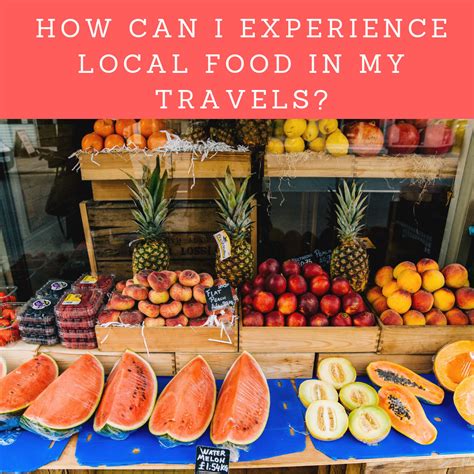
Authentic local dishes are often intertwined with culture and environment. Your photos can capture more than just the food by including elements that tell its story. Think about incorporating human elements, like a hand reaching for a piece of bread or a chef preparing a dish in the background. Show the vibrant market stall where the ingredients were bought, or the rustic eatery where the dish is served.
These contextual clues add depth, authenticity, and a sense of place to your food photography, transforming a simple food shot into a cultural narrative. It’s about capturing the entire dining experience, not just the plate.

Focus on Details and Textures
Many local dishes boast incredible textures, vibrant colors, and unique ingredients. Get up close and personal! A macro or close-up shot can highlight the intricate details of a dish – the glistening sauce, the crispy edges, the delicate herbs, or the steam rising from a hot bowl. This approach allows viewers to almost feel and taste the food.
Use a shallow depth of field (blurry background) to make your main subject pop. This technique, often available on smartphone portrait modes, helps to isolate the most appetizing part of the dish and draw the viewer’s eye directly to it, emphasizing its delectable qualities.
Thoughtful Styling and Props
While the focus should always be on the dish, subtle styling can elevate your photos. Use authentic, locally sourced props like traditional cutlery, patterned napkins, or rustic bowls to enhance the cultural context. Ensure props don’t overpower the food but rather complement it, adding visual interest without distraction.
Pay attention to the background. A clean, uncluttered background allows the food to be the star. If you’re in a busy setting, try to find a plain wall or use a shallow depth of field to blur out distractions. Sometimes, the natural texture of a wooden table or a simple placemat is all you need.
Smart Post-Processing
Even the best photos can benefit from a little post-processing. Use editing apps (like Snapseed, Lightroom Mobile, or even your phone’s built-in editor) to make minor adjustments. Tweak brightness, contrast, and saturation to make colors pop naturally. A slight increase in sharpness can bring out details. However, the goal is enhancement, not transformation; avoid over-editing that makes the food look artificial or unappetizing. The aim is to make the photo look as delicious as the dish tasted in real life.
Capturing authentic local dishes is a delightful art that blends culinary appreciation with photographic skill. By understanding and applying these hacks – from leveraging natural light and mastering composition to telling a visual story and using smart editing – you’ll be well on your way to creating stunning, mouth-watering images that truly showcase the soul of local cuisine. So, next time you sit down to a delicious local meal, remember these tips and capture its essence beautifully!