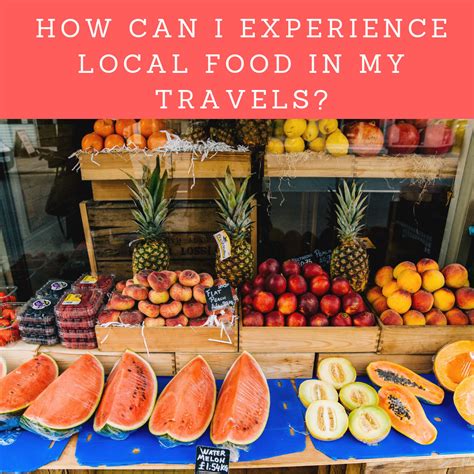
What are your best hacks for discovering and visually documenting authentic local eats?

Embarking on a culinary journey is often the highlight of any travel experience. Beyond the tourist traps and Michelin-starred restaurants lies a world of authentic local eats, brimming with flavor, history, and community spirit. The challenge, and the joy, lies in finding these hidden gems and then documenting them in a way that truly captures their essence. Here are some of the best hacks to transform your food adventures.
Unearthing Hidden Culinary Gems
The first step to an authentic food adventure is knowing where to look – or rather, who to ask. Forget the online reviews for a moment; the best intelligence often comes from the ground up.
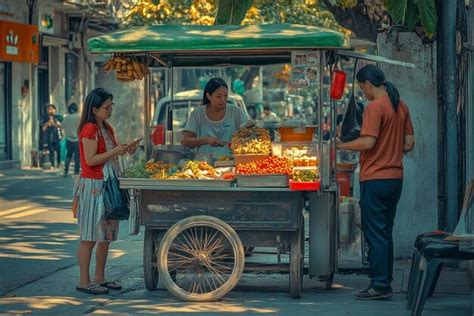
Start by engaging with locals: taxi drivers, shopkeepers, market vendors, or even your Airbnb host can offer invaluable, unfiltered recommendations. They know the spots where their families eat, the places that have stood the test of time, and the establishments that serve dishes exactly as they should be.
Another powerful tactic is observation. Look for long lines, especially during off-peak hours, or small, unassuming establishments packed with locals. Modest decor is often a good sign; it suggests the focus is entirely on the food, not on aesthetics designed to attract tourists.
Leveraging Local Insights
Beyond direct conversations, delve into local social media groups or forums. Search for hashtags related to food in the specific city or region you’re visiting. Many communities have vibrant online food scenes where residents share their favorite hawker stalls, family-run restaurants, and pop-up eateries. These platforms often provide a more current and nuanced perspective than traditional guidebooks.
Reading the Cues
Pay attention to the menu. Specialization is key. A restaurant that offers a vast, international menu might be trying to appeal to everyone and master nothing. Conversely, a small establishment with a focused menu, perhaps only a few dishes, often signals a mastery of those particular items. Also, consider the ingredients – are they fresh and seasonal? Are they locally sourced? These are all indicators of authenticity.
Visually Documenting Your Delicious Discoveries
Once you’ve found your culinary treasure, the next step is to visually capture its story. A great photo or video doesn’t just show the food; it transports the viewer to that moment, conveying the taste, aroma, and atmosphere.
Mastering the Light
The golden rule of food photography is natural light. Always try to position your dish near a window or outdoors, utilizing soft, diffused light. Avoid harsh direct sunlight or, worse, your camera’s flash, which can flatten the image and create unflattering shadows. Look for light coming from the side or slightly behind the dish to highlight textures and create depth.
Composition and Framing
Don’t be afraid to get up close and personal. Detail shots of ingredients, textures, and garnishes can be incredibly appealing. Experiment with different angles: a top-down shot (flat lay) works well for a table spread, while a slightly angled shot can emphasize the height and layers of a dish. Include elements that provide context – a local drink, a hand holding chopsticks, or the background of the bustling eatery. This tells a broader story than just the food itself.
Telling the Full Story
Your documentation shouldn’t stop at the plated dish. Capture the entire experience. Photograph the chef preparing the food, the vibrant market where ingredients were sourced, the unique decor of the restaurant, or the interaction of locals enjoying their meal. Short video clips can also bring the scene to life, showing steam rising from a bowl, the sizzle of a pan, or the lively chatter of a bustling eatery.
Remember to capture the human element responsibly. A candid shot of a happy diner or a chef at work can add immense character. However, always be mindful of privacy and ask for permission if you are directly featuring individuals. A quick smile and gesture can go a long way.

Ethical Documentation and Sharing
While the goal is to share your amazing finds, always do so respectfully. Be mindful of cultural norms – some places may prefer not to be photographed, or certain rituals might be considered private. Always ask permission before photographing people, especially in more intimate settings.
When sharing your discoveries online, provide accurate descriptions and, where possible, credit the establishment. Use location tags to help others find these incredible spots, but also consider whether over-tourism might negatively impact a small, local business. Strike a balance between sharing your excitement and preserving the authenticity you sought out.

Discovering and documenting authentic local eats is a rewarding pursuit that enriches both your travels and your palate. By embracing local insights, keen observation, and thoughtful visual storytelling, you can uncover culinary treasures and share their unique magic with the world, one delicious bite and captivating photo at a time.