What are your best hacks for keeping fresh produce vibrant longer, reducing foodie waste?

The Quest for Lasting Freshness: Beating Food Waste
There’s nothing quite like the sight and taste of vibrant, fresh produce. However, keeping those beautiful fruits and vegetables from wilting or spoiling before you can enjoy them is a common kitchen challenge. Food waste is not only a drain on your wallet but also a significant environmental concern. Fortunately, with a few clever hacks and a little understanding of your produce, you can dramatically extend its shelf life, ensuring every delicious bite is utilized.
Understand Your Produce: Ethylene Sensitivity
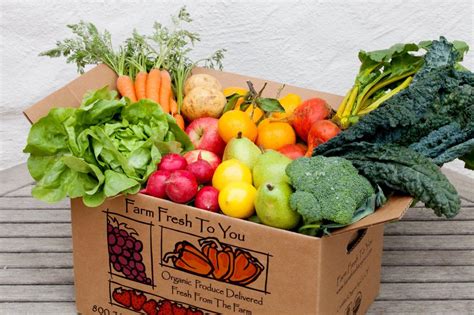
One of the golden rules of produce longevity is understanding ethylene gas. Many fruits, known as climacteric fruits, release ethylene as they ripen, which can accelerate the ripening (and spoiling) of other produce around them. Non-climacteric fruits and most vegetables are sensitive to ethylene.
- Ethylene Producers (Store Separately): Apples, avocados, bananas, melons, peaches, pears, tomatoes.
- Ethylene Sensitive (Keep Away): Broccoli, cabbage, carrots, cucumbers, leafy greens, lettuce, potatoes.
Strategic Storage Solutions
Refrigeration Revelations
Your refrigerator is a powerful tool, but how you use it makes all the difference.
- Crisper Drawers: These are designed for a reason! Use your crisper drawers for most vegetables and fruits. Many refrigerators have two drawers: one for high-humidity (leafy greens, asparagus, broccoli) and one for low-humidity (apples, pears, bell peppers). Learn which is which for your specific model.
- Wash Only Before Use: Excess moisture is the enemy of fresh produce. Washing fruits and vegetables before storing them encourages mold and bacterial growth. Wash right before you plan to eat or cook them.
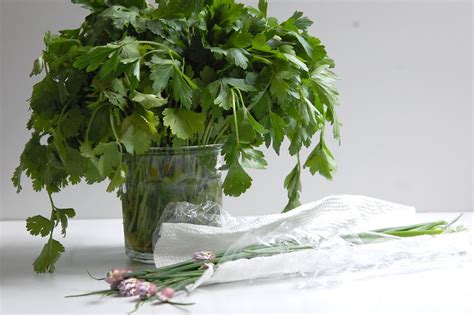
- Paper Towel Trick: For leafy greens, herbs, and even berries, line their storage container with a paper towel to absorb excess moisture. Change it if it gets too damp.
- Airtight Containers: Berries, cut vegetables, and prepared salads thrive in airtight containers. This reduces exposure to air, which causes oxidation and wilting.

Countertop Companions
Not everything belongs in the fridge!
- Onions & Potatoes: Store in a cool, dark, dry place away from each other. Onions release gases that cause potatoes to sprout, and vice versa. A pantry or cupboard is ideal.
- Tomatoes: Keep ripe tomatoes at room temperature on the counter, stem-side down, for best flavor and texture. Only refrigerate if they are overly ripe and you need to extend their life for a day or two, understanding it may slightly impact flavor.
- Bananas: Store on the counter until ripe. You can separate them to slow ripening, or wrap the stems in plastic wrap. Once ripe, refrigerate if you want to extend their life; the skin will blacken but the flesh will remain firm.
- Avocados: Store on the counter to ripen. To speed ripening, place in a paper bag with an apple or banana. Once ripe, refrigerate to slow further ripening.
Herb Heaven
Herbs are notoriously fragile, but these methods help:
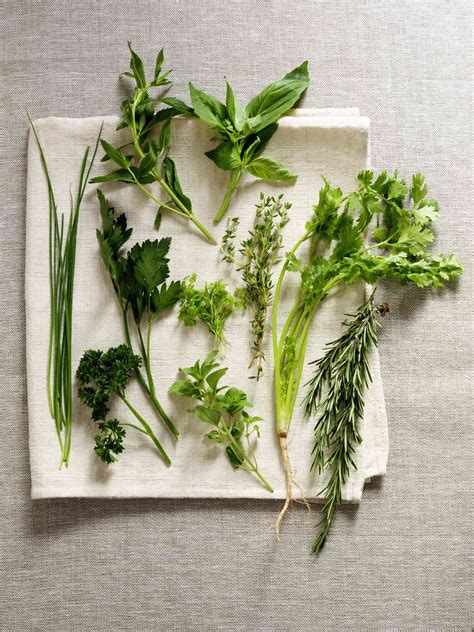
- Bouquet Style: For cilantro, parsley, basil, and mint, treat them like flowers. Trim the bottoms of the stems, place them in a glass with an inch of water, and cover loosely with a plastic bag. Keep basil on the counter; refrigerate others. Change water every few days.
- Wrapped & Refrigerated: For rosemary, thyme, and oregano, wrap them in a slightly damp paper towel, then place in a sealed bag or container in the fridge.
Beyond Basic Storage: Advanced Hacks
The Power of Freezing
When you know you won’t use produce in time, freezing is your best friend. Most vegetables need blanching (briefly boiling then shocking in ice water) before freezing to preserve color, flavor, and nutrients. Fruits can often be frozen as-is, spread on a baking sheet first to prevent clumping, then transferred to freezer bags.

Revitalization Station
Don’t toss slightly wilted greens or floppy carrots just yet! A quick ice bath can often bring them back to life. Submerge them in a bowl of ice water for 15-30 minutes; the cold water helps them rehydrate and crisp up.
Meal Planning & First-In, First-Out (FIFO)
The best hack is often prevention. Plan your meals for the week, buy only what you need, and actively use older produce first. Keep a ‘use me first’ section in your fridge.
Embrace the Whole Vegetable
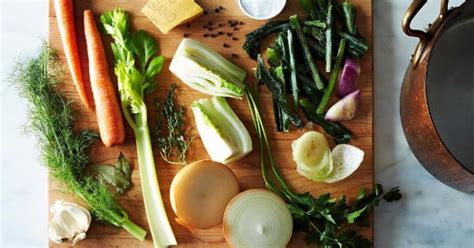
Reducing waste isn’t just about freshness; it’s also about using more parts of the plant. Broccoli stems are delicious, carrot tops make great pesto, and many vegetable scraps can be saved to make flavorful broths.
Conclusion
Keeping your produce vibrant longer is a journey of understanding, experimenting, and establishing good habits. By implementing these hacks, you’ll not only enjoy fresher, more flavorful food but also make a significant dent in your household food waste, contributing to a more sustainable kitchen and a healthier planet.