What are your best tips for transforming seasonal produce into visually stunning healthy dishes?
Embrace the Bounty: Turning Seasonal Produce into Edible Art
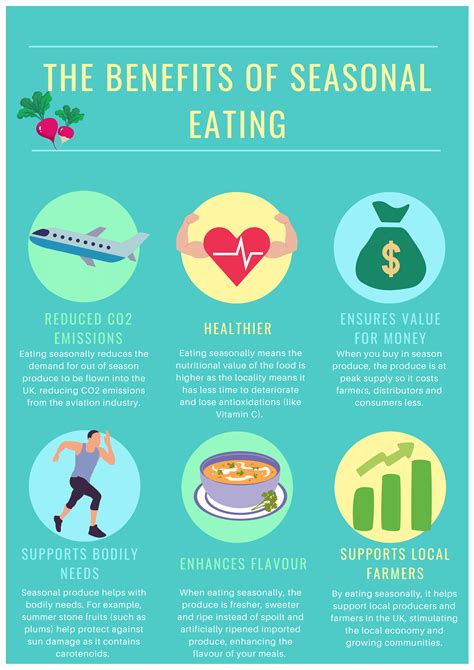
There’s an undeniable magic in cooking with seasonal produce. It’s not just about the peak freshness and superior flavor; it’s about harnessing nature’s vibrant palette and diverse textures to create dishes that are as pleasing to the eye as they are beneficial for your health. Transforming simple vegetables and fruits into visually stunning, healthy meals is an art form that anyone can master with a few thoughtful techniques. Here are our best tips for making your seasonal dishes truly shine.

1. Harness the Power of Color
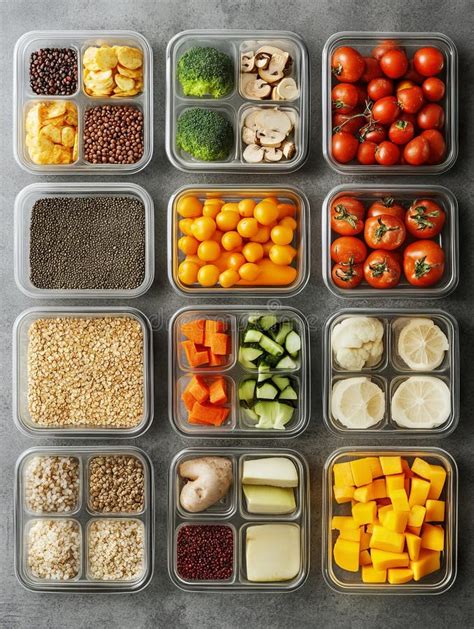
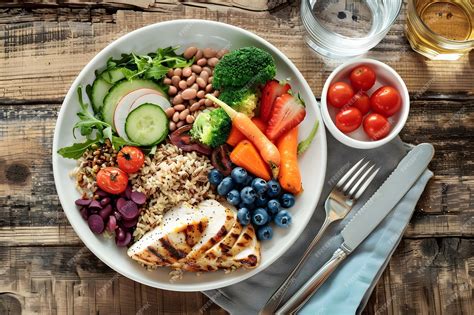
Color is perhaps the most impactful element in food presentation. Seasonal produce naturally offers an incredible spectrum of hues, from the deep purples of eggplants and berries to the bright greens of asparagus and peas, and the warm oranges of squash and carrots. A visually stunning dish often features a thoughtful combination of contrasting and complementary colors. Don’t be afraid to mix and match! Think about creating a rainbow on your plate – not only does it look appealing, but it also ensures a diverse intake of nutrients.
- Layer Colors: When building a salad or a layered dish, alternate colors for maximum impact.
- Bold Contrasts: Pair a dark leafy green with bright red cherry tomatoes or golden roasted beets.
- Natural Pigments: Utilize ingredients like turmeric for yellow, spirulina for blue-green, or beet juice for pink to naturally color sauces or dressings.
2. Play with Textures and Shapes
A dish with varying textures and shapes is far more interesting than one that’s uniformly soft or monotone. Seasonal produce offers an abundance of textural possibilities: crisp, crunchy, tender, creamy, firm. Consider how different cuts and cooking methods can create textural contrast. A mix of finely diced, julienned, roasted, and raw elements adds depth and excitement to any plate.
For example, roasted root vegetables provide a satisfying tenderness, while a sprinkle of toasted nuts or seeds adds a delightful crunch. Leafy greens can be both tender (massaged kale) and crisp (fresh spinach). Experiment with mandolines for thin slices, spiralizers for playful noodles, or simple hand-chopping for rustic chunks.

3. Master the Art of Plating
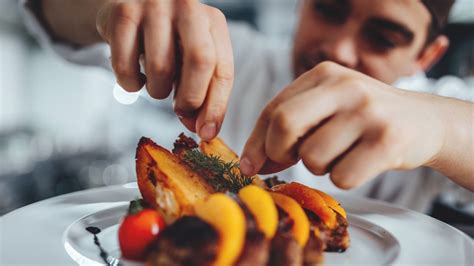
Plating is where the magic truly happens, transforming ingredients into a cohesive work of art. Think of your plate as a canvas. The goal is to create balance, height, and visual interest.
- The Rule of Thirds: Imagine your plate divided into thirds horizontally and vertically, and place your main components at the intersections.
- Build Height: Stack ingredients or lean them against each other rather than spreading them flat. A small mound of grains topped with roasted vegetables and a protein creates a beautiful profile.
- Clean Edges: Use a clean cloth or paper towel to wipe any drips or smudges from the rim of the plate before serving.
- Odd Numbers: When arranging small components (like cherry tomatoes or shrimp), group them in odd numbers (3, 5, 7) for a more natural and visually appealing look.
4. Garnish with Purpose and Flair
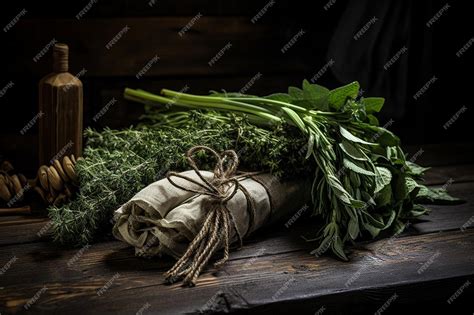
Garnishes are not just an afterthought; they are the finishing touch that elevates a dish from good to gorgeous. Fresh herbs, edible flowers, citrus zest, microgreens, and a drizzle of a contrasting sauce or oil can add a burst of color, a pop of freshness, and an extra layer of flavor. Choose garnishes that complement the dish’s ingredients and colors.
- Fresh Herbs: A sprig of dill, cilantro, basil, or parsley adds vibrant green and aromatic notes.
- Citrus Zest: Brightens flavors and adds a fine speckle of color.
- Edible Flowers: Pansies, nasturtiums, or borage can provide delicate beauty and sometimes a subtle flavor.
- Toasted Seeds/Nuts: Offer texture and a rustic, natural aesthetic.
- Dressings/Sauces: A controlled drizzle or a delicate swipe across the plate can provide an artistic flourish.
5. Embrace Innovative Cooking Techniques
Beyond traditional steaming or boiling, consider techniques that enhance both flavor and visual appeal. Roasting, grilling, pickling, or even quick blanching can transform seasonal produce.
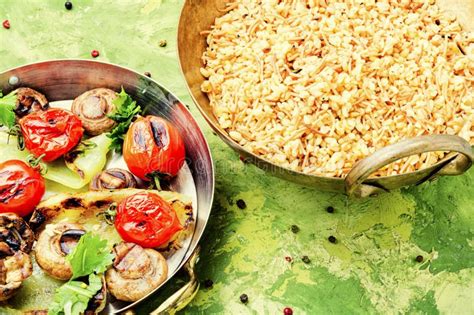
- Roasting: Caramelizes natural sugars, bringing out deeper flavors and creating beautiful golden-brown edges.
- Grilling: Imparts smoky notes and distinctive char marks that are visually appealing.
- Quick Pickling: Adds a bright, tangy contrast and preserves vibrant colors, especially for thinly sliced vegetables.
- Blanching & Shocking: For green vegetables, this method retains their bright color and crisp texture.
Conclusion: Culinary Creativity at Its Best
Transforming seasonal produce into visually stunning healthy dishes is a rewarding culinary journey. By consciously playing with color, texture, shape, and thoughtful plating, and by finishing with purposeful garnishes, you can elevate everyday ingredients into extraordinary meals. Not only will you nourish your body with wholesome, fresh food, but you’ll also delight your senses and inspire those around your table. So, head to your local market, embrace the season’s bounty, and let your culinary creativity flourish!